Art therapy using virtual reality
Virtual reality (VR) is already being used in medicine to train surgeons and doctors in emergency rooms, dealing with phobias and even for early diagnosis of Alzheimer’s disease. Researchers at Drexel University in the United States have already taken the first steps towards the application of virtual reality in the field of art therapy.
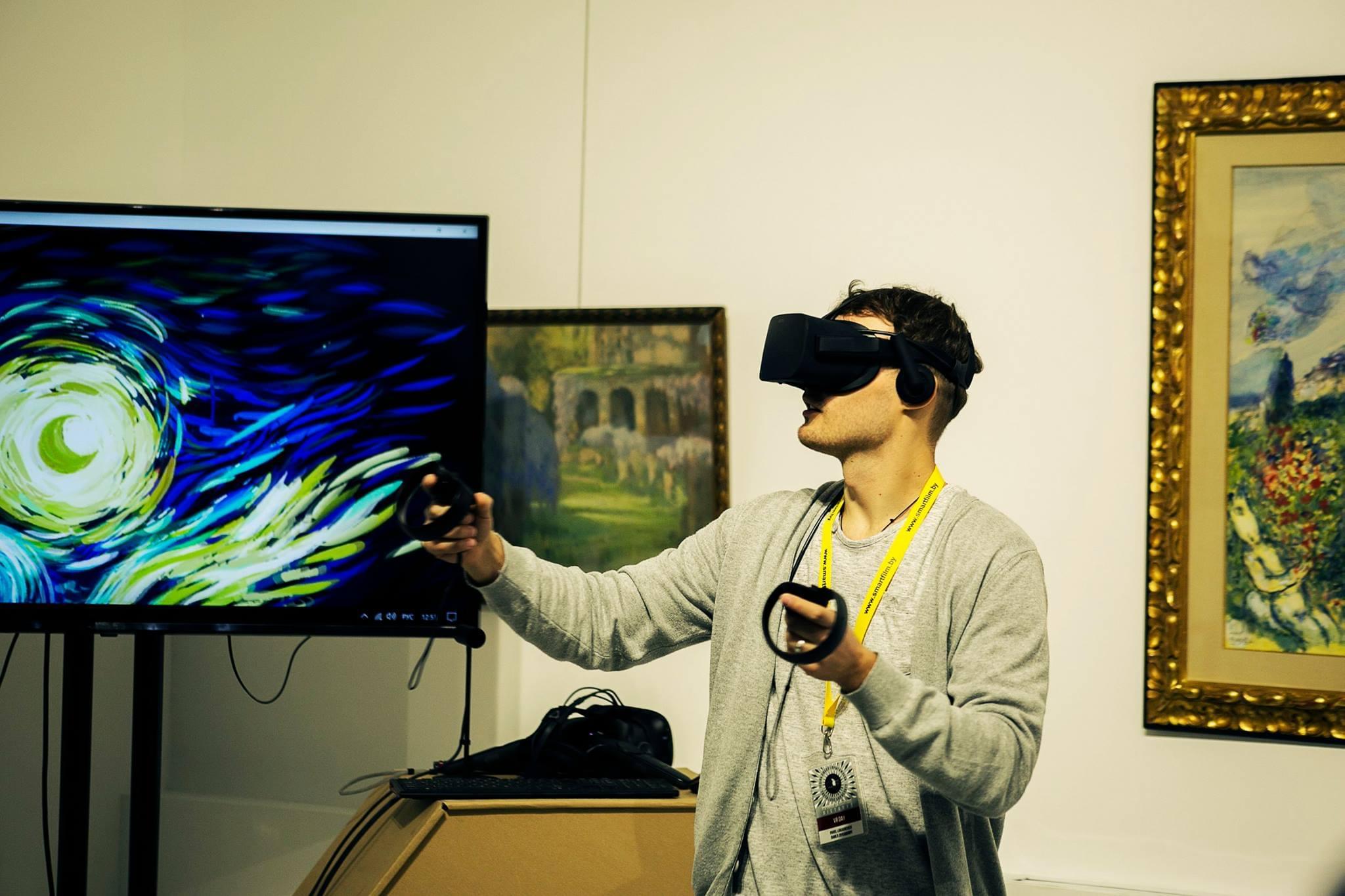
“Art therapy is based on the idea that creative self-expression with an art therapist facilitates communication and problem solving, reduces inhibition, relieves depressive symptoms and promotes personality development,” says Giria Kaymal, lead author of the study published in the Journal of Art Therapy Association, which involved 17 people.
The researchers were interested in assessing the potential of virtual reality in art therapy, as it allows them to create unique sensations, immerse themselves in three-dimensional creativity, and place people in an individual environment that can help them recover from various psychological conditions.
Twelve women and five men participated in a virtual reality immersion in which they could create works of art for about 20-25 minutes. After that, the volunteers were asked to save and discuss their work with an art therapist.
The participants mostly talked about how they enjoyed the experience and how they managed to escape to another world, a world of creativity and freedom.
Most of the participants in the experiment reported that they felt inspired by being in an imaginary space that is unlike anything that exists in the material world. Some, however, were disappointed by the lack of tangible physical contact with their surroundings, and in some cases the experience led to disorientation.
The study used an HTC VIVE virtual reality headset, remote controls, and a Leap Motion controller. The system used Google Tilt Brush software, which allows you to draw images in a 3D environment, Kodon, a sculpture application, and Nature Treks, which allows you to create a relaxing atmosphere for people.
According to the authors of the study, VR-oriented self-expression is the embodiment of visual expression, generates new artistic and imaginary reactions. The unique features of art therapy in virtual reality were identified as positive emotions, play and exploration, learning and skill acquisition, and easier access and storage. According to the researchers, VR has the potential to improve psychological health and well-being through creativity, imagination, interactivity, and problem solving.
Source: EverCare
Photo: vr-j.ru
Don’t miss the most important science and health updates!
Subscribe to our newsletter and get the most important news straight to your inbox
Published
July, 2024
Duration of reading
About 1-2 minutes
Category
Digital medicine and new technologies
Share

