Diseases of the stomach and duodenum
Over the past 20 years, ideas about the causes, mechanisms of the course, methods of diagnosis and drug, as well as non-drug treatment of diseases of the stomach and duodenum have changed significantly. Now it is possible, firstly, to determine the diagnosis very accurately, and secondly, to treat it more efficiently and quickly, provided that you see a doctor in a timely manner.
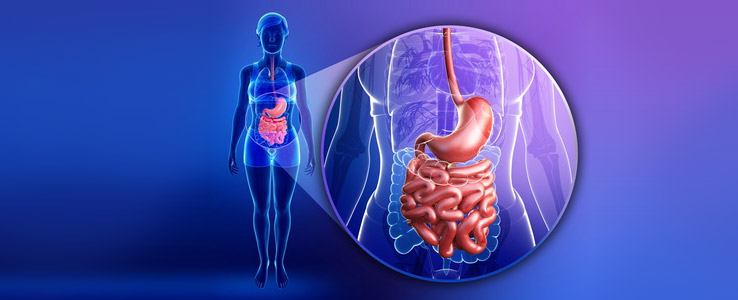
Functional dispersion
A disease characterized by pain, burning and other unpleasant sensations in the epigastric region in the absence of any obvious changes in the digestive organs. Attention began to be paid to this disease only at the end of the 20th century. In the developed countries of Europe and the USA, functional dyspepsia (FD) occurs in 30-40% of the adult population.
PD is based on both a weakening of the motor function of the stomach and duodenum, which leads to a slowdown in their emptying, and an increase in the sensitivity of the gastric mucosa to chemical and mechanical influences. Therefore, PD is associated with impaired activity of the autonomic nervous system. In addition, the neuropsychiatric state of a person plays a significant role in the development of PD. This is confirmed by the fact that in 25-45% of patients, improvement occurs after taking not true medications, but placebo — a “dummy” similar to medicine, as well as sedatives. In addition, such patients often have symptoms of functional disorders of other organs and systems, including irritable bowel syndrome.
Establishing an accurate diagnosis is extremely difficult, requires extensive medical experience and a huge amount of research to rule out obvious diseases with structural changes.
Don’t miss the most important science and health updates!
Subscribe to our newsletter and get the most important news straight to your inbox
Gastritis
Gastritis is an inflammation of the gastric mucosa, which ranks first in frequency among diseases of the digestive system. Almost every person has had a gastritis attack at least once in their life. There are acute and chronic gastritis.
The cause of acute gastritis is most often the consumption of substandard foods, the irritating effects of certain medications or chemicals, food allergies, and so on. It can occur with acute infections, severe radiation damage, including radiation therapy.
The disease usually begins violently: there is a headache, a slight increase in body temperature, general malaise, as well as nausea, vomiting, and pain in the epigastric region.
Most often, acute gastritis lasts 2-3 days and ends in complete recovery. However, if improperly treated, it can become chronic.
Chronic gastritis is a progressive disease characterized by damage to the gastric mucosa and glands that produce hydrochloric acid, pepsin, and mucus, as well as deterioration in the regeneration of mucosal cells.
This leads to violations of the function of the stomach, which can be of 2 types.:
- increased hydrochloric acid levels (chronic gastritis with increased secretion — non-atrophic)
- decreased hydrochloric acid levels (chronic gastritis with reduced secretion — atrophic)
The main cause (90%) of chronic gastritis is a special acid—resistant bacteria, Helicobacter pylori, which can live in a very acidic environment of the stomach. One of the reasons may be immune disorders — the production of antibodies to cells of the gastric mucosa.
In chronic gastritis with increased secretion, patients are concerned about stomach pains that occur on an empty stomach, sometimes at night, as well as heartburn, acid regurgitation, and a tendency to constipation. In addition, the inflammatory process can spread to the pancreas, duodenum or biliary tract.
In chronic gastritis with reduced secretion, there is a feeling of fullness of the stomach, heaviness and pressure in the epigastric region after eating, nausea, belching, sometimes bloating and rumbling in the abdomen, diarrhea. Acute pain is not typical, most often there is a dull, aching pain immediately after eating, which increases in an upright position, especially when walking. The pain usually goes away some time after the stomach is empty of food. This type of gastritis, if left untreated, can turn into stomach cancer, and it is often accompanied by anemia.
Peptic ulcer of the stomach and duodenum
Peptic ulcer is a chronic disease characterized by the formation of ulcerative defects of the mucous membrane, occurring with seasonal, spring and autumn exacerbations.
On average, 7 to 10% of the adult population suffer from this disease, with duodenal ulcers being single and multiple. Peptic ulcer disease itself can be acute (at the first occurrence) or chronic (with repeated exacerbations).
Peptic ulcer disease occurs when the balance between aggressive gastric contents and protective elements of the gastric and duodenal mucosa is disturbed. On the one hand, the production of hydrochloric acid and pepsin increases, on the other hand, motor activity, mucus formation, and mucosal repair processes are disrupted, the release of bicarbonates (alkaline salts) decreases, the blood supply to the mucosa worsens, and so on. Increased secretion of the gastric glands is usually observed with an increase in the acidity of gastric juice, although gastric ulcer, especially in the elderly, may occur with decreased secretion.
Until recently, the main role in the development of peptic ulcer disease was attributed to the aggressive role of excess hydrochloric acid in gastric juice, but now another reason has been added to this cause — infection caused by helicobacter. It has been proven that Helicobacter pylori infection causes the disease in 85-90% of ulcers. The rest acquire ulcers either as a result of prolonged use of anti-inflammatory and painkillers, or due to other, rather rare, causes.
Thus, it has now been proven that infection and other causes reduce the resistance of the mucous membrane of the digestive tract to hydrochloric acid, an excess of which in itself is not the cause of ulcers.
A bacterium called Helicobacter pylori, where “pylori” means “pyloric,” lives in the pyloric region of the stomach, from where it can spread to other higher and lower regions. It can also be found in the oral cavity, on dishes and other household items. Therefore, you can get infected with helicobacter in the same way as any infection, including through dirty hands. The authors of this discovery, Dr. Barry Marshall and Robin Warren, received the prestigious Nobel Prize in Medicine in 2005. All this made it possible to create fundamentally new technologies for the diagnosis and treatment of peptic ulcer disease.
If left untreated, the ulcer can affect other membranes up to the connective tissue, which leads to its perforation: either to perforation (an opening into the free abdominal cavity), or to penetration (penetration of the ulcer into neighboring organs).
Ulcer perforation is one of the most dangerous complications of peptic ulcer disease, requiring immediate surgical intervention. It is characterized by sudden, very severe (“dagger”) pains, which are accompanied by a sharp deterioration in the condition, a decrease in blood pressure, pallor, cold extremities, perspiration; shock may develop. It is dangerous for the development of peritonitis (inflammation of the peritoneum).
Ulcer penetration is characterized by a change in the nature of pain, which becomes permanent and without the previous connection with food intake. One of the complications of peptic ulcer is bleeding.
Peptic ulcer disease can also be complicated by pyloric stenosis (narrowing of the exit from the stomach into the duodenum), which develops as a result of scarring of ulcers located in the pyloric canal or the initial part of the duodenum, as well as in patients who have undergone surgery to suture a perforated ulcer in this area. It is characterized by frequent vomiting, nausea and pain in the stomach, “gurgling” (splashing) in the stomach. The progression of stenosis leads to exhaustion of patients, severe disorders of water-salt metabolism. All this requires a special approach to the nutrition of such patients in the initial stages of the disease. With advanced pyloric stenosis, surgical intervention is necessary.
Duodenite
Duodenitis is an inflammation of the mucous membrane of the duodenum, mainly chronic, occurring with a violation of the structure of the glands, atrophic and other changes in them.
Acute and chronic duodenitis are distinguished, and the latter can be both primary (an independent disease) and secondary (concomitant with other diseases or complicates them). Depending on the depth of the lesion, duodenitis can be superficial, pronounced, atrophic or necrotic, and according to the endoscopic picture, erythematous, hemorrhagic, atrophic, erosive, nodular. In this case, if the inflammatory process is located in the bulb of the duodenum, the disease is called bulbitis.
The main factors contributing to the development of primary duodenitis are irregular diet, frequent consumption of strong alcoholic beverages, excessive amounts of fat, and smoking.
Secondary chronic duodenitis usually accompanies most inflammatory diseases of the digestive system (chronic gastritis, hepatitis, pancreatitis, cholecystitis), duodenal ulcer, less often it can occur in allergic diseases, diseases of the lungs and cardiovascular system, kidney diseases. It is closely related to Helicobacter pylori infection.
The symptoms of chronic duodenitis are similar to those of duodenal ulcer:
- pain in the right hypochondrium, more often aching, less often cramping, occurring 1-2 hours after eating, decreasing or disappearing after eating and taking medications that reduce acidity. The pain can be located in the center of the pit of the stomach, radiate to the right scapular region, less often to the back, left hypochondrium, or be shingles.;
- digestive disorders, manifested by a feeling of heaviness, swelling in the pit of the stomach, nausea. It is possible to throw the contents of the duodenum into the esophagus (reflux), characterized by bitterness in the mouth, bitter belching, heartburn, vomiting. It can be triggered by eating fatty and fried foods.;
- marked weakness, sweating, palpitations, trembling of hands 2-3 hours after eating with exacerbation of chronic duodenitis.
It should be noted that with a predominant lesion of the upper parts (bulbitis), the symptoms are more similar to those of gastric ulcer, and with inflammation of the lower parts of the duodenum, they may resemble manifestations of pancreatitis or cholecystitis.
Source: Vladislav Liflyandsky “Healthy stomach: Digestive system”.
Published
July, 2024
Duration of reading
About 3-4 minutes
Category
Body
Share

