Depression and neurodegeneration: new diagnostic and therapeutic strategies
Recently, we have witnessed a real boom in the field of neuroscience: more than 200,000 articles on psychology, the study of cognitive abilities, structure and functions of the brain are published annually in the world, and the total number of such publications is estimated at millions. The reason for this interest is not only that, thanks to the rapid progress of modern research tools, we are increasingly learning about the subtle mechanisms that ensure the functioning of individual nerve cells (neurons) and specialized neural networks at the level of the whole brain.
At the same time, the number of people with mental disorders, depression and neurodegenerative diseases is rapidly growing in society against the background of increasing information “pressure”. Meanwhile, despite the vast amount of accumulated knowledge, we are still only getting closer to understanding the mechanisms of the brain, which provide a huge variety of options for the normal functioning of the human psyche and are involved in the pathogenesis of not only the most common mental, but also somatic diseases.
Today, about 350 million people of different ages and genders suffer from depression in the world, and by 2030 this disease should take the first place in terms of the DALYs indicator — the number of years of life “lost” due to illness or premature death. Due to the presence of suicidal tendencies in the clinical picture of depression, this disease poses a real threat to the patient’s life. As for Russia, our country occupies one of the leading places in the world in terms of the number of suicides, and in recent years suicide has become more and more “younger”.
One of the most important areas of modern neuroscience is the study of the mechanisms of neuronal plasticity, which determines the ability of nerve cells in the brain to flexibly, adequately and adaptively respond to any damaging factors, both external (information overload, emotional and psychological stress, physical trauma) and internal (age-related changes) challenges. Failures in the work of these mechanisms are universal and serve as the root cause of major neuropsychiatric diseases, regardless of the dominant complex of pathological symptoms in the clinical picture — affective, cognitive or behavioral.
The steady trend towards an increase in life expectancy in the developed countries of the world, which has been observed in recent decades, has caused a real “epidemic” of other nervous diseases — neurodegenerative diseases, which are largely age-dependent. Today, about 25 million and 6 million people suffer from Alzheimer’s and Parkinson’s diseases, respectively, and, according to experts, these figures should double by 2030 and quadruple by 2050.
Take, for example, major depressive disorder (MDD). There is an opinion in the scientific community that in this disease there are a number of changes in the brain that are more or less related to its clinical manifestation. Such changes primarily include metabolic disorders of biogenic amines, or neurotransmitters, which are biologically active substances formed during the decarboxylation of amino acids and serve as chemical transmitters of nerve impulses. In addition, there is a decrease in the number of dendrites — processes of neurons that provide a connection between them and specialized brain formations; damage and even death of neurons as a result of excessive production of excitatory neurotransmitters; inhibition of the formation of new neurons, as well as the development of neuroinflammation due to increased activity of proinflammatory cytokines.
The first line of MDR therapy traditionally consists in drug stabilization of biogenic amine metabolism, for example, using drugs that are reuptake inhibitors of the “happiness hormone” serotonin. But already at this stage of monotherapy, serious difficulties arise: it turns out that only half of the patients have a sustained therapeutic effect, and not earlier than after a few weeks of use; such treatment itself is accompanied by a number of undesirable side effects. At the same time, a prerequisite for positive dynamics in the clinical picture of a patient with depression is a “reversal” towards improving neuronal plasticity.
Such observations lead to the idea that the leading contribution to the pathogenesis of depression, especially its resistant and recurrent forms, is still due to disorders of neuronal plasticity associated with neurodegenerative processes, for which more and more empirical evidence has emerged in recent years. Moreover, according to one of the latest definitions of BDD, it is officially recognized as a moderate neurodegenerative disease.
Reliable evidence in favor of this statement is the results of a recent study of major depressive disorder, which was conducted in 20 countries around the world on a huge sample of sick and healthy people as part of the global brain ENIGMA project. The Laboratory of Affective, Cognitive and Translational Neuroscience of the Institute of Physiology and Fundamental Medicine together with the A1 Clinic of the Institute participated in this study.
Don’t miss the most important science and health updates!
Subscribe to our newsletter and get the most important news straight to your inbox
Published
June, 2024
Duration of reading
About 5-6 minutes
Category
The brain and nervous system
Share


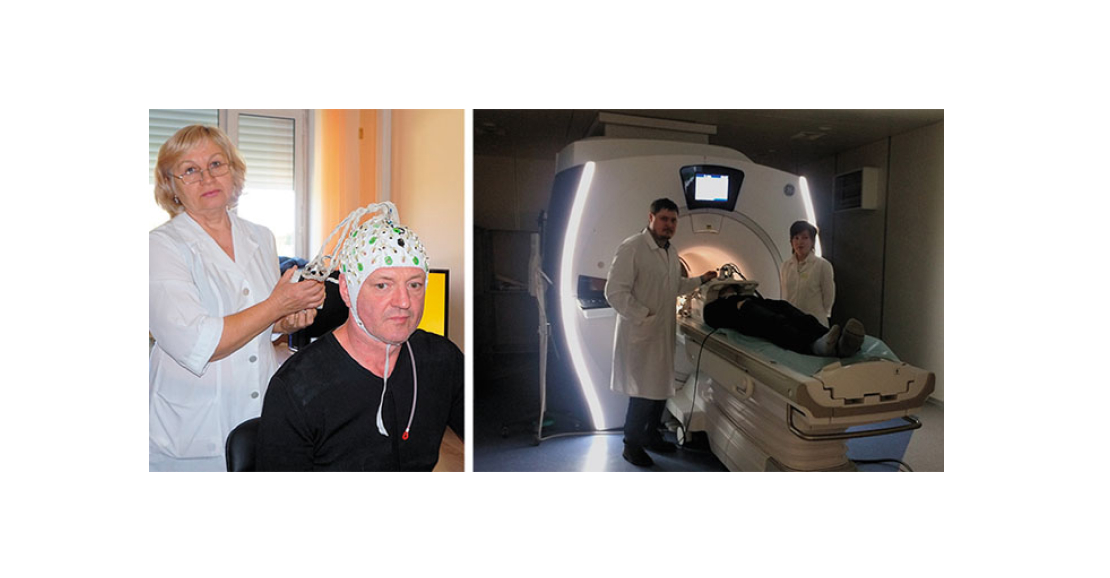
The study of the activity of basic specialized brain neural networks is carried out using a high-field (3 Tesla) magnetic resonance imaging machine at the A1 Clinic of the NIIFFM. At the same time, bioelectric brain activity is recorded (128-channel electroencephalography) with mapping of areas of neuronal activity based on changes in the amplitude of the BOLD signal in the structures of the brain, reflecting the level of oxygen saturation in the blood
The international ENIGMA Consortium unites researchers from over 70 scientific and clinical organizations to collect and analyze huge amounts of data from genome-associative studies of the brain in normal and neuropsychiatric diseases. The researchers are grouped into more than 30 thematic working groups. The first Russian participant in this global project was the Research Institute of Physiology and Fundamental Medicine with its specialized A1 clinic. In cooperation with the Tomsk Research Institute of Mental Health, the institute is part of the ENIGMA-MDD group, which studies major depressive disorder. The task of this group is to synthesize neurogenomics and functional MRI data obtained from patients with BDD. Currently, Russian scientists are also engaged in research within the ENIGMA-PD working group, which works with patients with Parkinson’s disease.
As a result, based on magnetic resonance imaging (MRI) data, it was reliably established that in adult patients with MD, gray matter is thinning in various areas of the cerebral cortex, while the severity and area of the lesion depend on the phase and history of the disease. In adolescents with BDD, the total area, but not the thickness, of various parts of the cortex decreases, while the most pronounced lesions are recorded in patients with recurrent (with the presence of recurring episodes) of depression. The fundamental conclusion from this work is that depression affects the structure of the cerebral cortex in a dynamic way, forming a different pattern of disorders during the patient’s life (Schmaal et al., 2016).
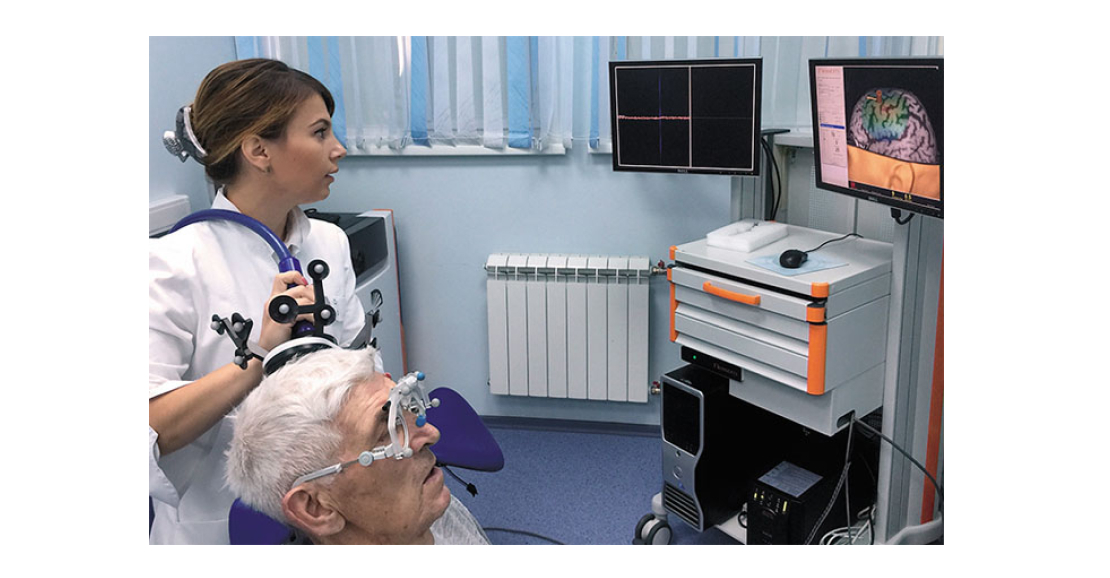
In the Laboratory of Affective, Cognitive and Translational Neuroscience at the Research Institute of Physiology and Fundamental Medicine, the analysis of neuronal plasticity in a patient with Parkinson’s disease is performed using diagnostic transcranial magnetic stimulation of the primary motor cortex using the Nexstim eXimia navigation system (spatial resolution accuracy is 1 mm).
The search for evidence of the hypothesis about the decisive contribution of neuronal plasticity mechanisms to the pathogenesis of depression, as well as the development of effective therapy using new—generation drugs, “hybrids” of an antidepressant and a neuroprotector, is an urgent challenge for scientists and physicians. If we talk about classical neurodegenerative diseases (for example, Alzheimer’s disease), for which the neurodegeneration factor is key, then by now we have not learned how to fully treat these diseases. Although huge amounts of money are invested in such developments, an analysis of the effectiveness of more than a hundred pharmacological compounds for the treatment and prevention of Alzheimer’s disease has shown that at best we have a placebo effect.
Medicine as an "exact science"
In recent years, clinical neuroscience has been developing along the lines of so-called precision medicine. It is accurate, not “personalized,” as you often hear. According to this more successful definition, for effective diagnosis, therapy and prevention of neuropsychiatric disorders, it is necessary to clearly understand the pathogenetic mechanisms of the onset and dynamics of the disease in each patient. The key task of precision medicine is to provide effective assistance to a real person, minimizing undesirable consequences.
Investments in neuroscience are estimated at billions of dollars today. So, in the last decade of the 20th century, declared the “decade of the brain,” the US Congress allocated about $ 3 billion for research in this area. For comparison, about $3.7 billion was allocated for human genome research at the same time; it is symbolic that these two major scientific projects were running in parallel (Zelman, 2016).
It is within the framework of precision medicine that verification algorithms should be formed, with the help of which it is possible to quickly and unambiguously assess the effectiveness of a particular patient’s response to a specific drug therapy. The internationally accepted definition of this approach is diagnostically guided therapy, or theranostics.
Only this approach makes it possible to respond as correctly and effectively as possible to all the challenges of depression, the main of which is related to the lack of an adequate therapeutic response in a sufficiently large group of patients. As mentioned above, in 40-60% of cases of this disease, we encounter resistance to traditional medicines. And although the mechanisms of such resistance are currently being actively studied, even the most powerful and fast-acting antidepressants created over the past 5-7 years, many of which have not even received official recognition yet, also do not work in 30-40% of cases.
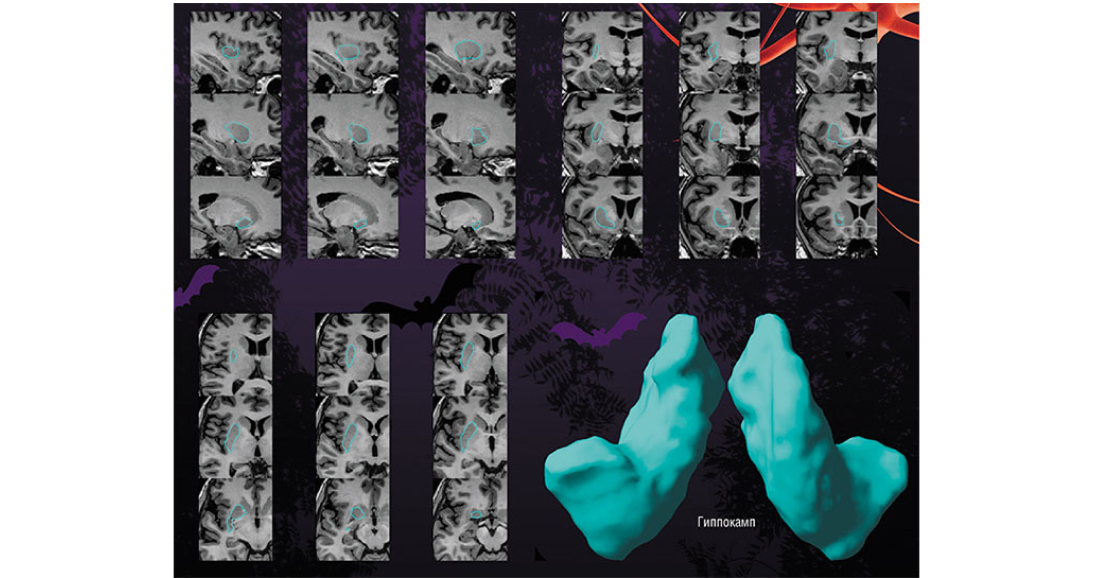
Using the Shape program to assess the individual variability of deep, subcortical brain formations in patients with depression allows us to obtain accurate quantitative estimates of their shape and size. The data was obtained as part of the ENIGMA-MDD working group
But if the medicine does not help, it must be changed urgently! Today, the effectiveness of a drug for depression is assessed mainly on the basis of clinical signs, and this can usually be done no earlier than 4-8 weeks after the start of treatment. But what if we are talking about a patient with high suicidal tendencies, which is not uncommon in the case of this disease?
According to recent data, depression is present in the structure of a wide variety of diseases: not only professional psychiatrists, but also general practitioners are often forced to deal with certain aspects of this pathology. According to reliable multicenter studies conducted using a single method in several medical institutions simultaneously, depression is one of the causes of decreased immunity and, as a result, is an important risk factor for the development of many somatic diseases, including cardiovascular and oncological. Moreover, in some cases, it plays the role of a “mask” that has been “covering up” the current pathological process for a long time.
Here, neurophysiological and neuroimaging, as well as omix markers, should come to the rescue. Omix technologies were named after the suffix “-omik”, common to advanced fields of biology such as genomics, transcriptomics, proteomics and metabolomics, which study the implementation of hereditary information at all levels of the molecular organization of a living organism, from the genome to the proteome and the metabolome (the totality of all proteins and low molecular weight metabolic products, respectively).
To determine the effectiveness of depression therapy, we can use a whole arsenal of omix markers, ranging from DNA markers of genetic polymorphism and mRNA levels to specific proteomic and metabolic characteristics. The same can be said about various clinical forms of classic neurodegenerative diseases such as Parkinson’s and Alzheimer’s diseases. In a broader sense, we are talking about the development of predictors (“predictors”) of not only the risk of occurrence, but also the nature of clinical dynamics and sensitivity to drug therapy for a number of affective and neurodegenerative diseases. Predictors and markers of high suicidal readiness should certainly be allocated to a separate group.
An example of such an approach to diagnosing the effectiveness of therapy is a study planned within the framework of the SAE “Neuroscience in Translational Medicine” at NSU. We are talking about using the characteristics of the olfactory epithelium of the patient’s upper nasal passages as a dynamic marker of the level of neuronal plasticity, which at the same time is a peripheral link of the olfactory analyzer of the brain and contains full-fledged brain neurons. Samples of such epithelium are easily obtained using a simple outpatient biopsy.
Strategic Academic Units (SAE) are scientific and educational consortia of the university, which bring together researchers who are searching in relevant scientific fields, as well as actively involved in educational activities. One of the main tasks of the SAE “Neuroscience in Translational Medicine” of Novosibirsk State University is to study the mechanisms of brain neuroplasticity, the deterioration of which is a common feature of depression and other affective and neurodegenerative diseases, the development of modern technologies for predicting the risk of these pathologies and individual sensitivity to therapy. Under the umbrella of the SAE, the NSU laboratories will work closely with research organizations from the Novosibirsk Scientific Center and the Siberian region, including academic institutes of the Siberian Branch of the Russian Academy of Sciences and Novosibirsk technoparks, with leading neurocenters in Moscow as part of large “end—to-end” projects of the NTI NeuroNet, as well as with foreign partners. Among the latter are the University of Southern California (USA), where new technologies for human—machine communication (brain-computer interface) are successfully developing, and the largest international brain research consortium ENIGMA.
Further, wide possibilities open up: we can assess the nature and dynamics of neuronal plasticity processes in response to specific drug therapy by changing the level of markers such as brain neurotrophic factor (BDNF) or mRNA. Moreover, neural progenitor stem cells can be obtained from the olfactory neuronal epithelium, cultured, and used for drug testing. As a result, in the future we will be able to assess the adequacy of prescribed medication within a few days (rather than weeks) after the start of treatment. We are already carrying out a pilot study on this topic within the framework of a grant from the Russian Science Foundation.
If a depressed patient does not respond to “pill treatment” in principle, then today there is an opportunity to resort to alternative treatment — navigational transcranial brain stimulation (rhythmic magnetic, direct or alternating current, etc.), which is a leading trend in modern clinical neuroscience. The effectiveness of these noninvasive methods in the case of drug resistance is quite high. The treatment is personalized, as all the “coordinates” of the patient’s brain scanned using MRI are transmitted to the navigation computer system. With this system, it is possible to position the coil with high (up to 1 mm) accuracy over specialized areas of the cerebral cortex involved in the development of depression and neurodegenerative diseases, and send stimulating impulses there.
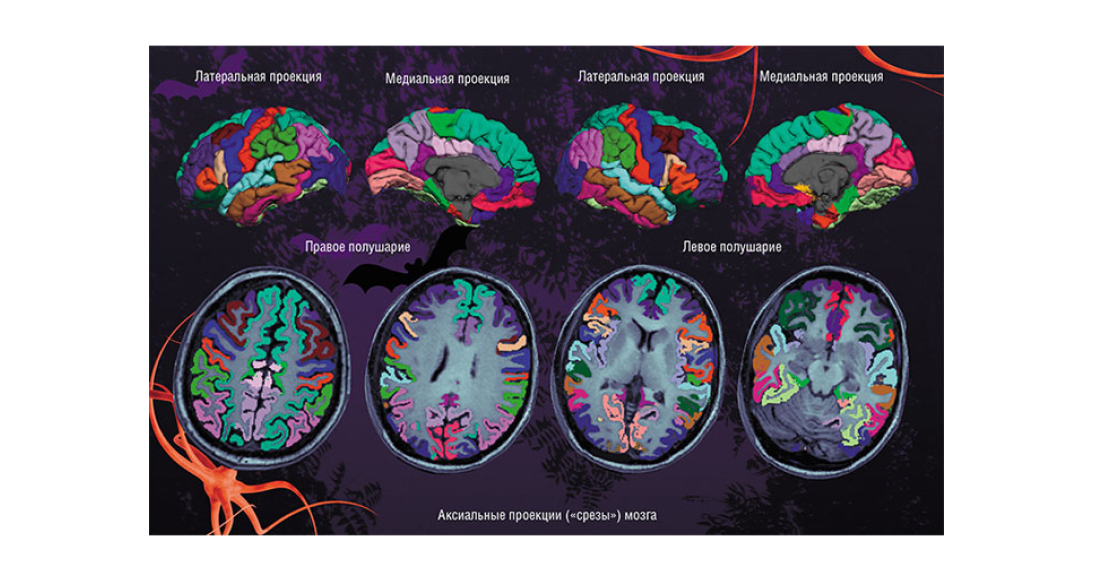
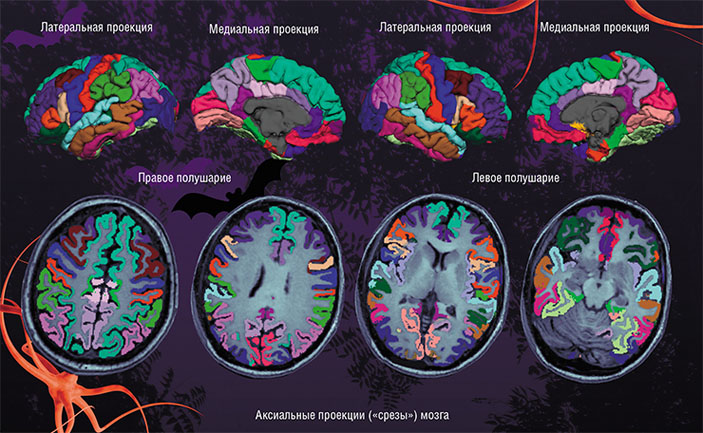
To assess the individual variability of the structural formations of the cerebral cortex in patients with major depressive disorder, ultra-precise (1 mm resolution) neuroimaging technologies of MRI data are used. The photo shows a visualization of various parts of the cortex of the two hemispheres of the brain in a patient with depression. The data was obtained as part of the ENIGMA-MDD working group
In the USA, this method of brain stimulation is officially registered as a non-pharmacological technology for the treatment of depression. In principle, the entire range of such technologies has been developed in the Laboratory of Affective, Cognitive and Translational Neuroscience at the National Research Institute of Applied Mathematics, and now we are actively working on their improvement and implementation in the clinical practice of our institute’s specialized clinic.
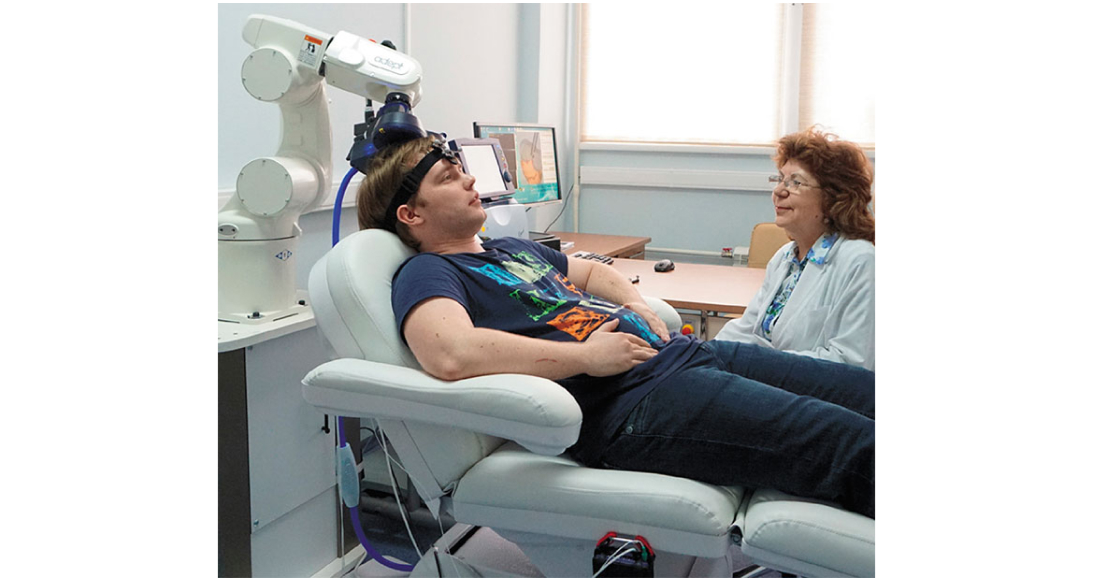
The A1 clinic of the NIIFFM treats depression using robotic therapeutic navigation rhythmic magnetic stimulation of certain areas of the left hemisphere cortex. The stimulating coil is held in the exact coordinates of the patient’s brain by the SMARTMOVETM robot manufactured by ANT Neuro (Netherlands)
Getting into the game
Despite some achievements, from the point of view of the representation of hardware clinical neurotechnologies, our country still looks like a desert on the world map. It is all the more important that thanks to the efforts of Novosibirsk and Moscow researchers from leading scientific centers in Russia, the first “oases” of such technologies are being created.
In the future, the National Technology Initiative (NTI) NeuroNet should play a major role in the development of our country. It is based on the concept that the next stage of the Internet’s development will be based on neurocomputer interfaces, and computers themselves will become similar to the brain through the use of hybrid digital-to-analog architectures. The CoBrain project created as part of this initiative, designed to overcome technological barriers and consolidate scientific and innovation resources of the Russian Federation, focuses on research related to the expansion of human brain resources, primarily through its direct integration with technical information and analytical complexes and robotic devices. It is assumed that this will be the basis of the upcoming technological revolution.
As part of this project, it is planned to create at least ten Neural Network centers (NSC), the main structural components of which will be world-class research laboratories. This combination will help create a unified database of neural data (Big Data).
The cluster in Novosibirsk was supposed to start operating in 2016, but its opening was postponed by the NTI project office to 2017 for technical reasons. It is assumed that the Novosibirsk NeuroNet Center will bring together all the main scientific “players”: the SAE “Neuroscience in Translational Medicine” of the NSU, institutes of the Siberian Branch of the Russian Academy of Sciences, Novosibirsk technoparks, medical clinics and research institutes, as well as foreign and international research organizations, including the ENIGMA consortium.
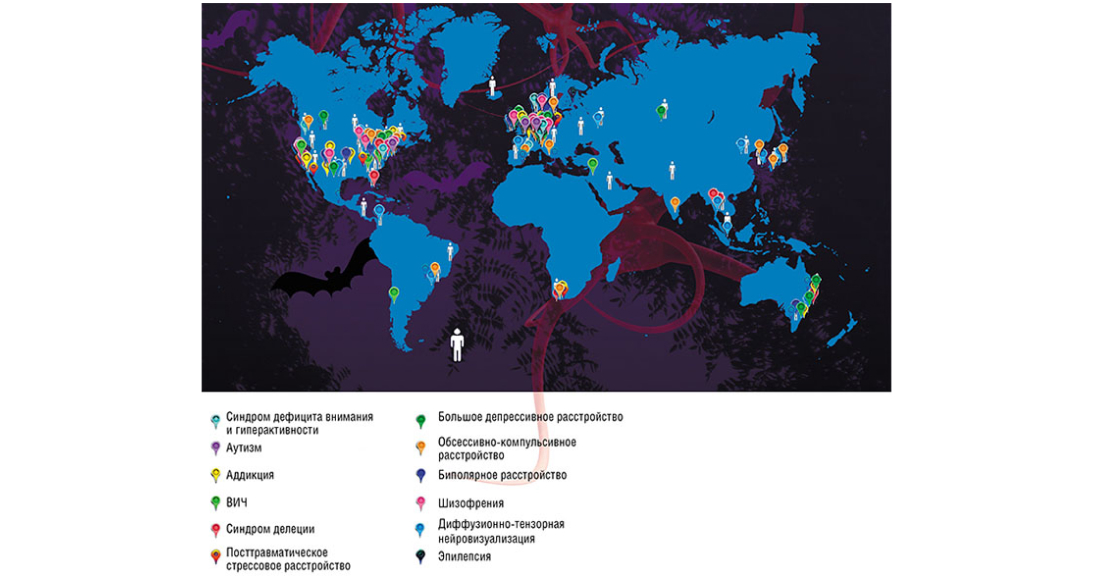
The international Brain Consortium ENIGMA unites research teams from five continents. The theme of the working groups is indicated in color.
The scientific products of the laboratories that make up the NeuroNet centers will be developed with an eye to the market in a variety of areas: neuromedicine, neuroeducation, neuro-communications and neuromarketing, neuro-entertainment, etc. An obligatory component of all NeuroNet centers is educational. Moreover, they will focus not even on students, but on the younger generation, using clubs of young technologists and business accelerators that will be born in a new information field. An example of this approach is the Scientific and Technical Design Laboratory of NSU “Injevika”, created in 2016, where future neurotechnologists can study robotics and computer technologies.
The first practical steps have already been taken at NSU within the framework of the scientific and educational consortium of the SAE “Neuroscience in Translational Medicine”.
First of all, it is the creation of the Department of Neuroscience and the laboratory of translational and clinical Neuroscience, which began to work actively in 2017. The problem is that modern achievements in the sciences of brain research are not currently integrated into traditional clinical disciplines related to the competencies of a neurologist, psychiatrist, or psychotherapist. The new department will develop special courses for students of the Faculty of Medicine (“Affective Neuroscience: from norm to psychopathology”, “Biological Psychiatry”, etc.), which will give them the opportunity to master the basics of clinical neuroscience.
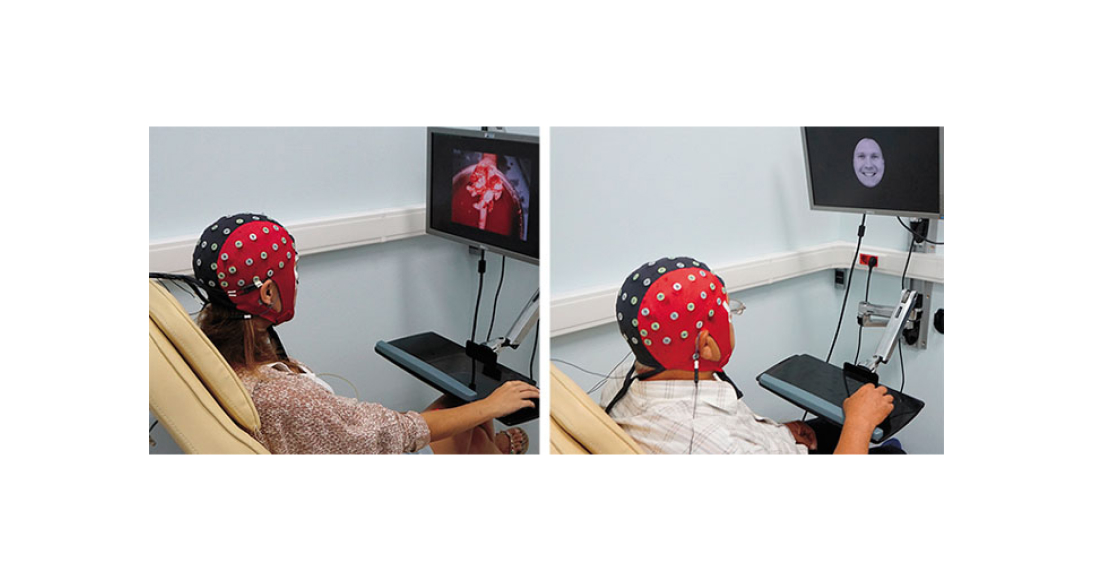
The image of a bloody hand (photo on the left) is not a frame from a horror movie, but one of the stimuli for assessing an emotional reaction using electroencephalography as part of a study of the activity of motivational systems in the brain. The purpose of such work is to create a diagnostic complex for the rapid detection of depression and anxiety. Assessment of the bioelectric activity of the brain in response to the presentation of images of human faces (photo on the right) with different emotional expressions is one of the stages of studying the mechanisms of perception of one’s own identity, the results of which will be used to diagnose depression.
There will be new training courses for students of non-medical faculties. It is advisable to develop a mandatory general program that will familiarize future scientists with modern ideas about mental health, ways to preserve creative potential, etc.
The next step should be the creation of the NSU clinical base, which will begin with the design of an educational, scientific and medical center, where not only students, from first-year students to future masters, but also specialists from all over the world will be able to work. It is planned to create a Mental Health Center at NSU, a modern neuroclinic, where a healthy person will be able to receive information about the risks of a neuropsychiatric disease or diagnose a hidden pathology, and a patient will receive assistance from the standpoint of precision medicine.
The problem of autism is also attracting special attention today. Making such a diagnosis requires a doctor, on the one hand, to have a certain competence, on the other hand, to understand that this should be followed by some organizational decisions that managers do not always like. We plan to work actively in this area, primarily to organize the first large-scale multicenter autism study in the Russian Federation.
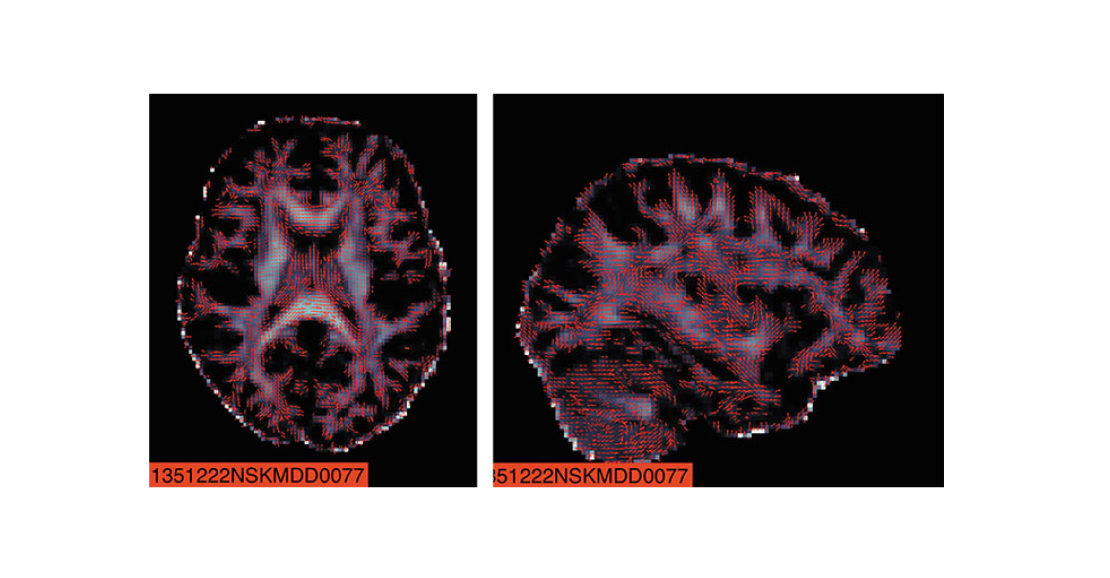
With the help of a modern diffusion tensor neuroimaging method based on the data of water diffusion in tissues, it is possible to visualize and analyze the distribution of “white matter” formed by nerve fibers in the cerebral hemispheres. The photo shows different projections of the conductive structure of the cerebral hemispheres. The data was obtained as part of the ENIGMA-MDD working group
In 2018, it is planned to create a Center for Experimental Pathopsychology and Evidence-based Psychotherapy at NSU in parallel with the deployment of the Depression Center. The need for these structures is also largely determined by the fact that quite a large number of psychotherapists do not have psychiatric education. Today, when helping a patient, they use psychological counseling technologies to a greater extent. Meanwhile, only a psychiatrist can understand the pathogenetic neurobiological processes underlying depression, and their adequate correction using modern methods of biological psychiatry is only his prerogative. At the same time, the important role of psychotherapy in the treatment of such patients is not questioned: we are talking about the right combination of methods.
The organization of such educational and treatment centers is a civilized way to implement an adequate integrated approach to the treatment of depression and other affective pathologies using the entire therapeutic arsenal of psychiatry and evidence-based psychotherapy. It is assumed that revenues from paid educational, medical and consulting services in this area by 2019 should reach more than 200 million rubles per year, i.e. this research program should become self-sustaining. In the very long term, by 2021, it is planned to create an independent Institute of Neuroscience at NSU with its own clinical base. By combining all the competencies in one place, we will eventually get the main thing — a modern doctor who will look at the patient from the point of view of the most advanced concepts of health, where the “neuro-” element will become the leading one.
Source: Lubomir Aftanas, “First-hand Science” No.1(73), 2017
Source
Journal Elements. Article: Depression and neurodegeneration: new diagnostic and therapeutic strategies