Joe Dispenza: How the brain works
Dr. Joe Dispenza on the functions and capabilities of the human brain.
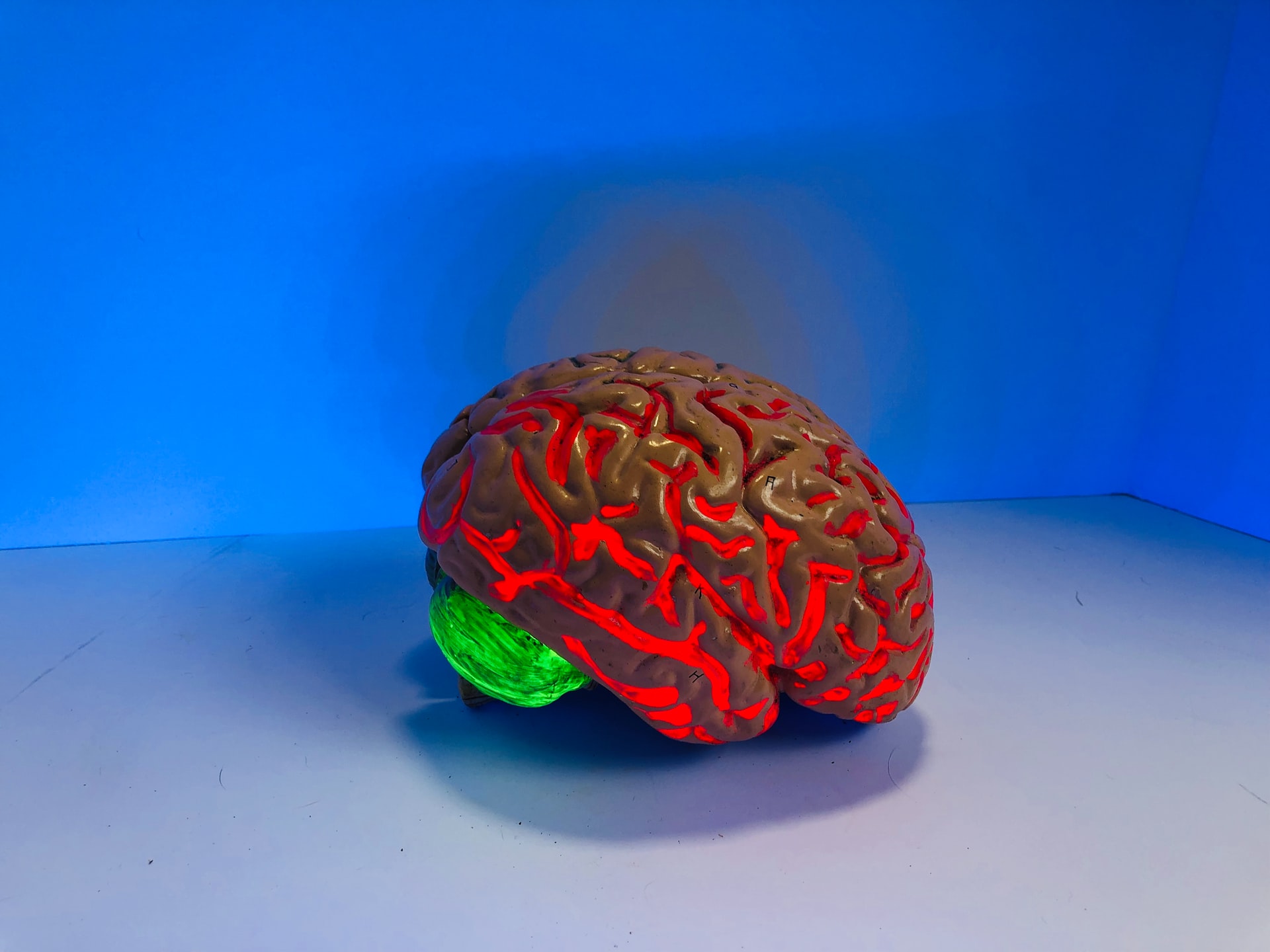
The human brain is at least 75% water, and the consistency resembles a soft-boiled egg. It consists of about 100 billion nerve cells, neurons, which seem to be suspended in this watery environment. Each nerve cell resembles a branching tree, like an oak without leaves, with gently swaying branches and a root system that connects and disconnects with other nerve cells. The number of connections of a single nerve cell ranges from 1,000 to 100,000 or more, depending on where it is located in the brain. For example, in the neocortex (the anterior parts of the cerebral cortex), there are 10,000 to 40,000 connections per neuron.
Previously, we treated the brain like a simple computer (although there are some similarities), now we know a lot more about it. Each neuron is its own unique biocomputer with more than 60 megabytes of RAM. It is capable of processing huge amounts of data at a rate of several hundred thousand operations per second. When we learn something new or experience new experiences, our neurons form new connections by exchanging electrochemical information with each other. Two neighboring cells exchange information through a synapse. This is the gap or gap between the branch (axon) of one neuron and the root (dendrite) of another. This is why connections between neurons are also called synaptic connections.
Don’t miss the most important science and health updates!
Subscribe to our newsletter and get the most important news straight to your inbox
Published
June, 2024
Duration of reading
About 3-4 minutes
Category
The brain and nervous system
Share


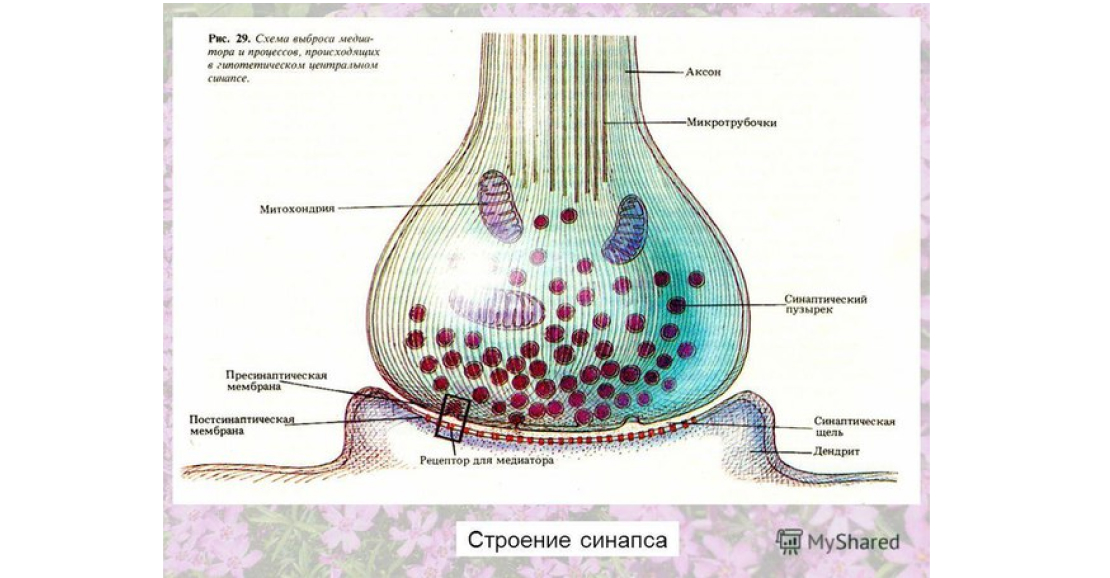
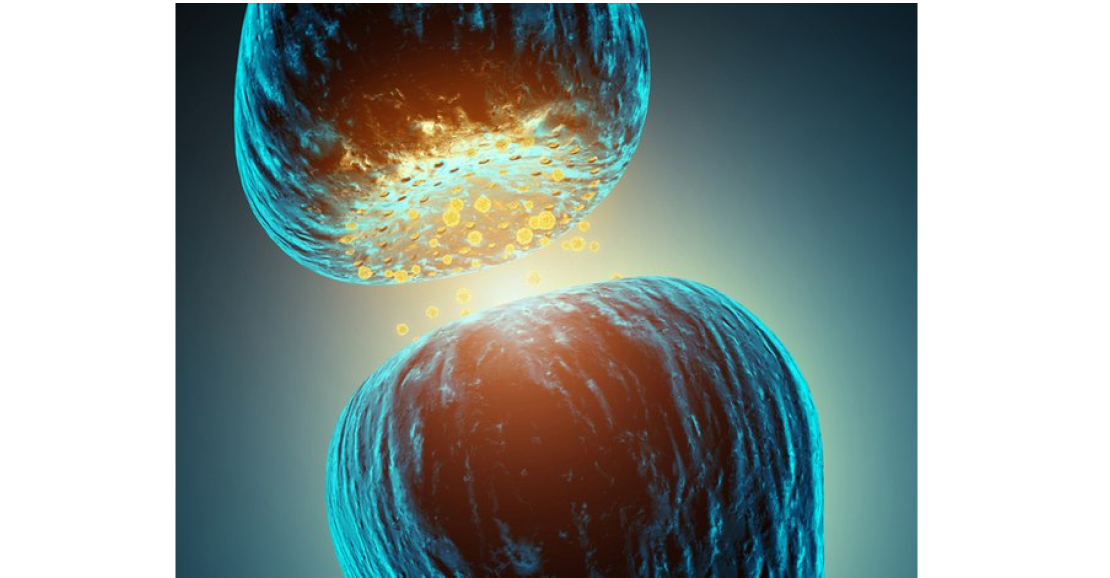
Learning new things is accompanied by the establishment of new synaptic connections, and memorization is the retention of such connections. In other words, memory is a long–term relationship or stable connections between nerve cells. And the formation of these connections and how they change over time rebuilds the physical structure of the brain.
When any changes occur in the brain, it produces various chemical compounds called neurotransmitters (which include, for example: serotonin, dopamine and acetylcholine). Neurotransmitters on a branch of one neural tree cross the synaptic cleft to reach the root of another neural tree. As soon as they cross this gap, the neuron produces an electrical discharge of information. If we continue to think the same thoughts, the neuron continues to fire according to the same pattern, strengthening the relationship between the corresponding cells and increasing their willingness to repeat the signal next time. This process of selective amplification is called synaptic potentiation.
When the thickets of neurons fire in concert, providing a new experience, an additional protein is formed inside the nerve cell, which makes its way into the cell nucleus, where it connects with DNA and includes individual genes. Since the work of genes is to produce proteins that support the structure and functions of the body, the nerve cell quickly produces a new protein to create new branches between nerve cells. Thus, when we repeatedly repeat a thought or relive an experience, our brain cells not only strengthen their connections with each other (which affects our physiological functions), but also increase the total number of connections. And the brain gets richer.
So, once a person experiences a new experience, perceives something in a new way, or understands it, it immediately changes at the neural level, as well as at the biochemical and genetic levels. In fact, you can make thousands of new connections in a matter of seconds by reading an unusual novel, an unusual experience, and a different perception. This means that with just one thought, you can activate new genes right now. A simple change of consciousness. This is the predominance of mind over matter.
Nobel laureate Eric Kandel, MD, has shown that when something is imprinted in memory, the number of synaptic connections in those sensory neurons that are stimulated doubles from 1300 to 2600. However, if the initial new experience is not repeated over and over again, then the number of new connections slides back to the initial value of 1300 in just three weeks.
Therefore, if we repeatedly repeat what we learn or learn, we strengthen the neural groups that will help us remember it next time. Otherwise, synaptic connections soon disappear, and memory is erased. That’s why we need to continuously update, review, and recall new ideas, knowledge, choices, techniques, habits, beliefs, and situations if we want them to become established in our brains.
To get an idea of how huge this system really is, imagine that a nerve cell is connected to 40,000 other nerve cells. Suppose it processes 100,000 bits of information per second and shares this information with other neurons, which also perform 100,000 operations per second. This collection, formed from clusters of working neurons, is called a neural network. Neural networks form groups of synaptic connections. We can also call them a neural circuit.
So, since physical changes occur in the nerve cells that make up the gray matter of the brain, and since selected neurons have been ordered to organize themselves into these huge networks capable of processing hundreds of millions of bits of information, the physical structure of the brain, similar to computer hardware, also changes, adapting to the information it receives from the external environment. Over time, as these networks are repeatedly turned on (a pulsating spread of electrical activity, similar to lightning flashes during a terrible thunderstorm among thick clouds), the brain will not only continue to use the same neural networks, but also create a program for this computer (an automatic neural network). This is how programs are installed into the brain computer. Computer hardware creates software, and the software system is loaded into the hardware, and every time the software is used, it enhances the hardware.
Thus, when you are trapped in a pattern of thoughts and experience the same feelings because you are not learning or doing anything new, your brain excites its neurons and activates neural networks in exactly the same sequence, with the same structure and with the same combinations. They become automatic programs that you unknowingly use every day. You develop an automatic neural network to talk, shave, or apply makeup, tap on your laptop, gossip about colleagues, and all that, because you’ve performed all these actions so many times that they’ve become almost unconscious. You don’t have to consciously think about them anymore. Now it doesn’t require any effort.
You strengthen these neural networks so often that they have become tightly connected. The connections between neurons are becoming stronger and stronger, additional arcs are forming, and the branches are spreading out and becoming physically thicker – it’s as if we are strengthening and strengthening the bridge, building new roads or expanding the highway to increase its capacity.
One of the basic principles of neuroscience says: “Nerve cells that repeatedly fire together are woven together.” If your brain works in the same way every now and then, you reproduce the same pattern of behavior and worldview. Thus, if you remind yourself of who you are every day by reproducing the same pattern, you will cause your brain to fire in a pattern, which means that you will activate the same neural networks for many years in a row. By the time you reach about the age of 35, your brain is self-organizing into a very limited signature of automatic programs – and this frozen structure is called personality.
Imagine it as a box inside your brain. (Of course, you literally don’t have anything like that in your head.) Thinking inside a “box” means that you have physically tightly bound your brain into a limited pattern. As a result of repeated reproduction of the same worldview, the developed neural network determines who you have become and are.
Source: Joe Dispenza, “My Own Placebo.”