The telomere effect: how to take control of aging?
A new branch of biology that studies the withering of the body in terms of the shortening of the end sections of chromosomes – telomeres – will help protect us from chronic diseases, improve the health of the body down to the last cell and for life.
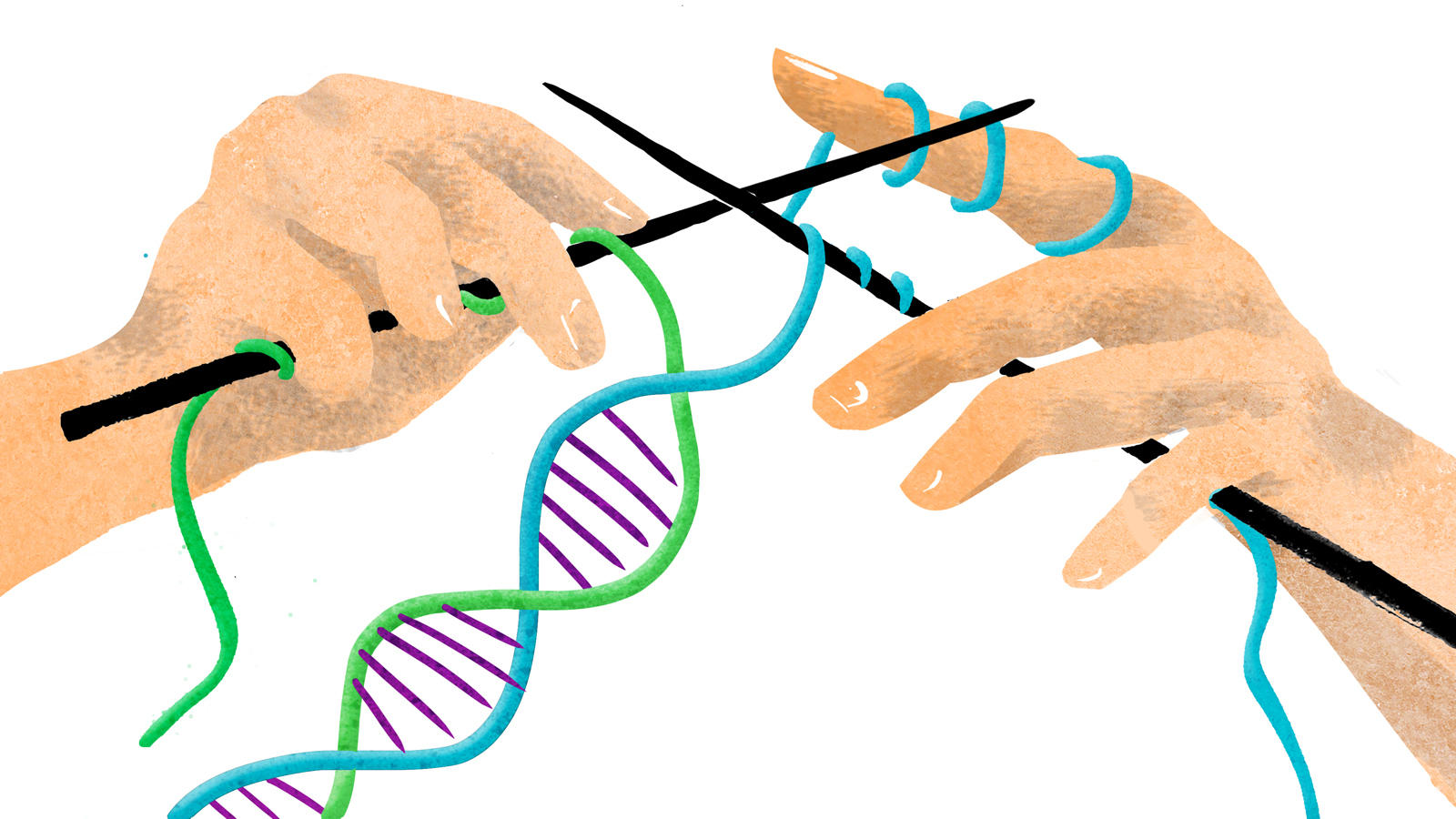
In 2009, the Nobel Prize in Physiology or Medicine was awarded to American scientists Elizabeth Blackburn, Carol Greider and Jack Szostak “for the discovery of the enzyme telomerase and the mechanisms of chromosome protection by telomeres”. This has led to a whole new understanding of how genetic information is passed from mother cell to daughter cell without loss, what determines the lifespan of cells, and how our bodies constantly repair lost sections of chromosomes.
Already now each of us is able to influence the maintenance and growth of telomeres by means of simple and accessible recommendations, and consequently to prolong our lives. Further research in the field of telomere theory may help to find new ways to fight aging and create medicines that will save people from incurable diseases.
Don’t miss the most important science and health updates!
Subscribe to our newsletter and get the most important news straight to your inbox
Telomere theory of aging
Many scientists are inclined to believe that the aging of the body is due to the accumulation of errors in DNA. Deoxyribonucleic acid (DNA) is packaged in the structural elements of the cell nucleus – chromosomes. DNA is both a repository and transmitter of genetic information for any living organism. Accordingly, when it breaks, the genetic code ceases to function properly, which inevitably leads to cellular damage and death. Specialists are still trying to understand why this happens and in which cells. After all, it is interesting that young low-differentiated cells have these failures many times less often than old cells. Most likely, the answers to these questions should be sought in telomeres.
In 1961, Leonard Hayflick discovered that cells can divide a limited number of times, after reaching a certain limit, they die. It turned out that this was due to the shortening of protective sections of chromosomes called telomeres. To understand what they are, all you have to do is look at the laces of your shoes. The tips of the laces are exactly what the telomeric regions symbolize. If the caps are short, the laces will quickly become frayed and unusable. Translating this analogy to chromosomes, we can say that short telomeres cannot protect DNA from structural damage and cell death. According to this theory, telomeres are both a marker of aging and the main cause of aging.
It is very easy to trace the tendency of telomeres shortening with age: in newborns the length of telomeres in a cell is about 10,000 nucleotide pairs (bp), at the age of 35 years – 7,500 bp, and in elderly people at the age of 65 years the length averages 4,800 bp.
Telomerase
Telomerase is an enzyme that creates new stretches of DNA in the telomeres, thus repairing them. Thanks to telomerase activity, the cell can divide and renew itself freely, thus keeping the body “young”. Many studies demonstrate that long telomeres and high amounts of telomerase slow down cellular aging, while the opposite situation contributes to its acceleration.
Many factors influence telomere length, such as psychological state, sleep, nutrition and environment. Many things can be influenced by the individual, thus slowing down telomere shortening and in some cases even lengthening them.
Telomere length and stress
We experience various physiological sensations during anxiety: heart rate increases, blood pressure and sweating, digestion and sleep problems. This is due to the fact that the body begins to produce a large amount of stress hormones – cortisol and adrenaline. Thus, stress has a devastating effect not only on the brain, but also on the entire body.
Today, there is a lot of scientific literature showing how telomeres respond to acute chronic stress. For example, Elissa Epel and Elizabeth Blackburn conducted a study involving mothers whose children were born with serious abnormalities. It turned out that the longer these women cared for their sick children and the more psychological stress they experienced, the shorter their telomeres were. In addition, their levels of the telomerase enzyme were almost twice as low compared to the control group.
Prolonged stress suppresses the immune system, making it more vulnerable to various infections, bacteria and viruses. Scientists have long tried to determine why people exposed to chronic stress are more likely to get sick and get sick. It turns out that it’s all about telomeres. When the body is under attack, the immune system cells begin to actively divide, but telomerase does not have time to compensate for the lost end sections. Thus, the cell ages and loses important protein structures necessary for an effective immune response.
How can stress help the body?
Short-term stress that can be easily dealt with is, on the contrary, beneficial, namely it enhances cellular health. In medicine, this is called hormesis. With “low doses” of stress, the body activates the synthesis of certain proteins necessary for an adequate cellular response and repairs damaged areas of DNA.
People perceive stress in different ways. There are two completely opposite stress responses: the threat response and the challenge response. The threat response is characterized by fear of defeat, possible shame and embarrassment. From a physiological point of view, this reaction causes blood vessels to constrict, the heart rate increases, a large amount of the hormone cortisol is released into the bloodstream, and the hands and feet become cold. Obviously, this is devastating to telomeres. Feeling threatened is not the only way to respond to stress. A person may perceive stress as a challenge. The challenge response is characterized by self-confidence, excitement, and hope for a better outcome. In this case, on the contrary, blood vessels dilate, blood is oxygenated, blood supply to the heart and brain is increased, which ultimately gives the body strength and energy. Thus, if you have a positive attitude to life’s difficulties, perceive them as a call to action rather than a danger, you can help your body to cope with stress more effectively and, moreover, you can protect your telomeres from premature degradation.
How to deal with stress and negative thoughts
There are many articles showing that a pessimistic mindset is associated with short telomeres. Harmful thinking habits such as hostility, anger, and pessimism bring psychological suffering, which at the cellular level is caused by shortened telomeres. But there’s no need to worry – it can be managed.
Scientists have found that the manifestation of hostility and impatience with others harms telomeres. For example, a study involving British civil servants showed that men who have a high rate of hostility, the probability of having short telomeres and high levels of telomerase (indicating that the enzyme does not cope with its task) was 30% higher than those to whom this type of behavior is not characteristic. In addition, cortisol levels and blood pressure were barely elevated in these subjects, suggesting that the stress response was out of control due to frequent use.
Telomeres are also detrimentally affected by low focus on the current activity. The study shows that women who are most characterized by “dangling in the clouds” have shorter telomeres on average by 200 bp. This result was obtained regardless of the stress these women experienced in their daily lives.
In order to protect yourself from unnecessary worries, as well as protect your telomeres from degradation, there are some simple guidelines that Elizabeth Helen Blackburn and Elissa Epel suggested in their book The Telomere Effect: a revolutionary approach to a younger, healthier and longer life. They will help us to react more flexibly to what is going on around us and act appropriately to the situation:
- Systematize your time, try not to do several things at the same time. “Single-tasking” helps to eliminate distractions and completely immerses in the current moment.
- Try to avoid obsessive thoughts. Not only will they not help you solve the problem, but they will plunge you deeper into painful, completely unproductive thoughts.
- Do not suppress unwanted thoughts. Negative thoughts hidden in the depths of the subconscious, only increase stress levels, which leads to chronic nervous agitation and depression.
- Becoming aware of your own thoughts contributes to stress resistance. Meditative practices and some rhythmic physical exercise, such as running, can help bring your thoughts to order.
- Try to find a purpose in life. A person who knows the meaning of his existence, it is easier to make important decisions and plans.
- Be less critical of yourself. People with high levels of compassion produce less cortisol in response to stress.
- Wake up feeling uplifted. Researchers say that women who wake up feeling happy have more telomerase in their immune cells and a less pronounced morning cortisol spike than people who start their day feeling anxious or fearful.
- There is a character trait that is beneficial to telomeres. It turns out that a human quality such as conscientiousness can lead to increased longevity. In one study, professors were asked to rate the conscientiousness of their students. It turned out that telomere length was higher in those students who were characterized as more conscientious by their teachers.
Physical activity
Systematic physical activity in moderate amounts reduces oxidative stress, a condition in which the body accumulates a large number of free radicals (molecules that have lost one electron). They are necessary for many biochemical processes and are constantly formed in the body during respiration.
So exercise helps protect our body’s cells by reducing inflammation and supporting the immune system, as well as maintaining telomere length. A study with twins, which allowed to sweep away all doubts related to heredity, showed that the length of telomeres in active twins is higher than in their “lazy” siblings. In addition, scientists found that people who lead a sedentary lifestyle have shorter telomeres.
Moderate cardio as well as intense interval training doubles telomerase activity. On the other hand, strength training helps build muscle mass and bone strength, all of which are necessary for a healthy life.
During physical activity, autophagy is activated, a process in which the cell partially “eats” itself, getting rid of old and damaged areas, and the recycled cellular material is used for repair and further functioning. In addition, exercise increases the expression of the telomerase gene, which directly affects telomere length itself.
However, it is important to remember that excessive irregular exercise can, on the contrary, adversely affect health and, consequently, telomere length. Athletes who “overexert” can develop overtraining syndrome. In this physiological state, telomeres in muscle cells shorten.
Sleep
Sleep deprivation and other sleep disorders have been shown to shorten telomeric regions. Simply put, the longer we sleep, the longer our telomeres. Seven hours of sleep is known to be the threshold in terms of telomere health, with the exception of about five percent of the world’s population. If you sleep less than that, your telomeres take a hit. However, it’s not just the length of sleep that matters, but also the quality and mode of sleep. For example, one study showed that doctors who were on call at night had impaired regulation of telomerase activity.
To ensure you get a comfortable and healthy night’s sleep, there are a few simple steps you can take to help you feel alert and energized day after day, while protecting your telomeres from harmful influences.
- Don’t limit yourself on sleep. Due to time constraints, many people voluntarily cut back on their sleep. This is one of the few aspects that a person can influence on their own.
- Avoid watching TV, using tablets or smartphones before bedtime. Blue light from gadget screens suppresses the action of melatonin, the main sleep hormone.
- Ensure a smooth transition from wakefulness to sleep. To do this, some people read books in the evenings, others listen to soothing classical music.
- Get earplugs. Extraneous noise is irritating and threatening to most people, which obviously interferes with falling asleep.
- Establish the habit of going to bed and waking up around the same time. Circadian rhythms govern human activity. Consistency of the biological clock will help the body to perform its functions on time.
- Snoring and apnea (stopping breathing movements during sleep) have been shown to have a detrimental effect on telomere regions. If you suffer from these ailments – see a specialist. There are modern methods of treatment that effectively and without any discomfort help to get rid of this disease.
Nutrition
It turns out that for telomeres it is not so important how much you weigh – there is no clear correlation between telomere length and excess weight, of course, if we are not talking about obesity. The main role for them is played by the state of metabolism.
Improper operation of the systems involved in metabolism in the body can cause diabetes, a chronic disease characterized by elevated blood glucose levels. It leads to serious cardiovascular disease, vascular disorders and even vision loss.
A meta-analysis involving more than 7,000 people showed that short telomeres are a sign of developing diabetes in the future. The study demonstrated that in mice, when telomeres shorten throughout the body, beta cells stop producing insulin.
People who don’t have diabetes also have reasons to watch their diet. Excess abdominal fat causes chronic inflammation in the tissues, which threatens to shorten telomeres. However, you don’t want to exhaust yourself with dieting. The obsession with calorie counting causes stress, which, as we have already found out, is harmful to the body. There is still no conclusive evidence that restricting caloric intake of food prolongs a person’s life and lengthens their telomeres. A study conducted by Janet Tomiyama, a professor of psychology at the University of California, showed that people who have been on a strict diet for a long time have no longer telomeres than the control group. In addition, in these respondents, the length of telomeres in mononuclear immune cells was even slightly shorter.
The main enemies of our cells are oxidative stress, inflammation and insulin resistance. To provide protection against these, the authors of the above book suggest following the following diet:
- Adhere to a Mediterranean diet. Eating plenty of fresh fruits and vegetables, whole grains, beans and other legumes, and fish and seafood will strengthen your telomeres.
- Eat foods rich in vitamins. Vitamins C and E lead to a reduction in oxidative stress as they have antioxidant effects.
- Eat foods rich in omega-3 fatty acids. They are involved in the formation of cell membranes and can be converted into anti-inflammatory hormones. In addition, recent scientific evidence suggests that they slow telomere shortening. Red fish, nuts, flax seeds and leafy greens contain omega-3s in abundance.
- Avoid consuming processed and red meat. In 2015, the World Health Organization named them as possible causes of cancer.
- Give up foods and beverages with added sugar. Cindy Leung of the University of California, San Francisco, found that two cans of sugary soda a day take away 4.6 years of our lives, as measured by telomere length.
Cellular aging in the womb
Like all genetic information, telomeres are passed on from generation to generation. Indeed, children inherit telomere length while still in the mother’s womb. First, if the mother’s egg has short telomeres at the time of conception, they can be passed on to the child. Secondly, due to poor health or chronic stress of the mother during intrauterine development, the child’s telomeres may also be affected by cortisol. Therefore, it is very important to take care of your body during pregnancy: avoid stress, eat a balanced diet, do not use chemical cleaning products in your home and spend time with the benefit of yourself and your baby.
Conclusion
Lifestyle, psychological state, environment and heredity have a strong impact on our health. Telomeres are a reflection of how these factors affect the body, and they also allow us to quantify the contribution of each of them. What is important to us is the fact that telomere length can be “tuned” like software. With some effort, we ourselves have the power to influence telomere length, and therefore our lives!
Photo: www.keranews.org
Published
June, 2024
Duration of reading
About 4-5 minutes
Category
Aging and youth
Share

