Gene expression
Any living organism is a self—replicating system, in the genes of which certain information is encoded that is necessary to maintain the life of the organism itself and the production of its like. In order for the gene to become active, that is, to create a result in the body, this information must be implemented in some way.
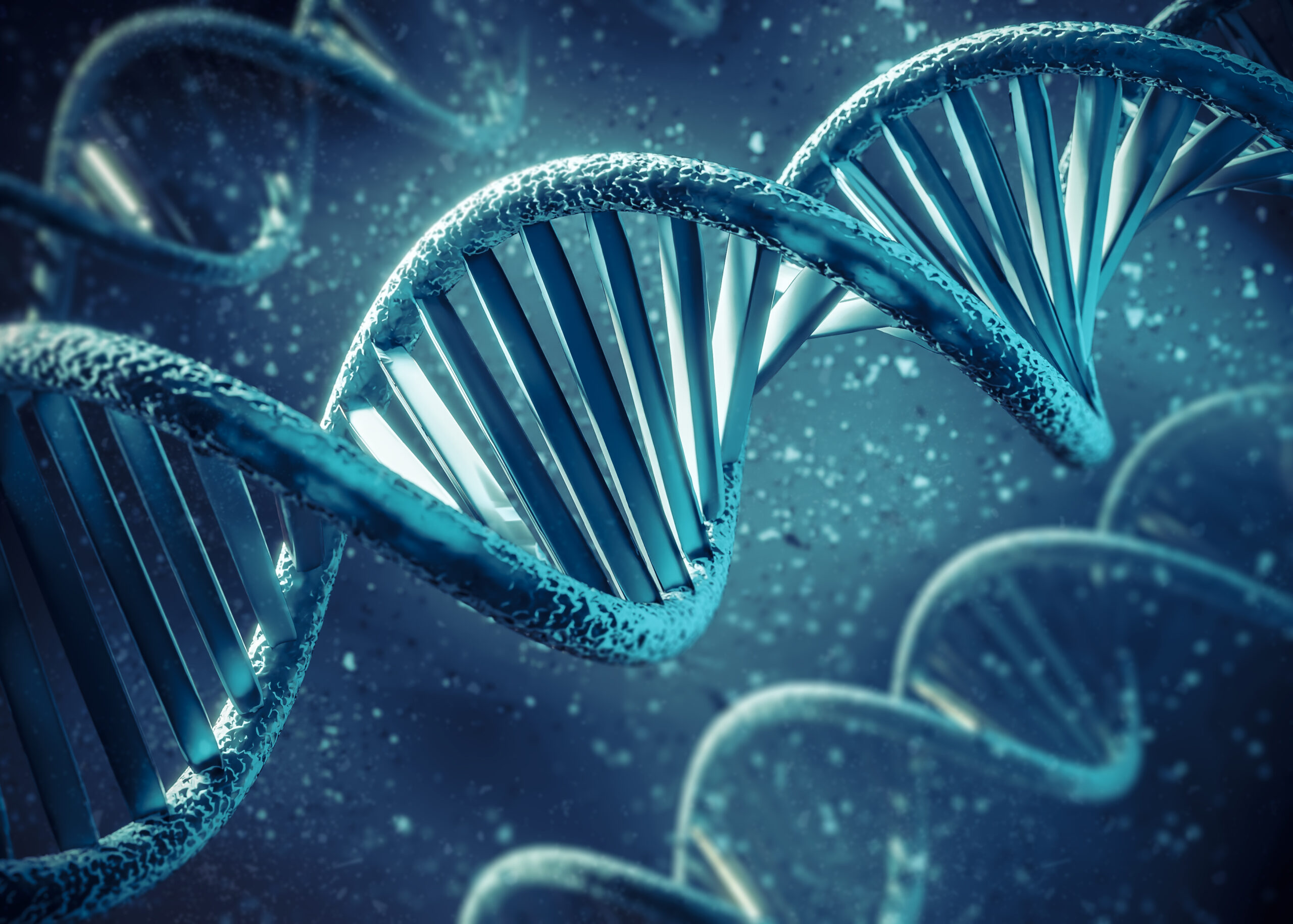
In addition to information about which protein needs to be made, there is additional information in the DNA genome, for example, an accurate indication of at what specific moment the protein should be produced.
It would seem that such important information should be superstructured, but scientists were surprised to find out that most multicellular organisms on our planet have surprisingly disordered genomes. The coding DNA fragments are interspersed with impressive arrays of DNA, the role of which is completely unclear. And for some parts of the genome, there are no genes at all.
Genomic DNA does not directly control protein synthesis, using RNA as an intermediary. The process by which a task encoded in DNA is decoded by a cell for protein synthesis is called expression — the cell components recognize genes, read information and decode it, and then implement the gene task. This is how the working state of the genes is maintained and their reproduction is achieved by creating an exact copy of them. That is, genes, carrying information that causes cells to clone them, are insured against an unexpected termination of existence.
Gene expression consists of several stages. The cell develops a need for a certain protein — the transcription process is started, that is, the sequence of nucleotides in the desired part of the DNA is copied into RNA. These RNA copies of DNA fragments act as templates for protein synthesis, the process of translation. Any number of RNA casts can be taken from a single gene.
The flow of information in cells is directed from DNA to RNA, from RNA to protein — the reverse process is considered impossible, this is the central dogma of molecular biology.
RNA matrices do not immediately go into operation, that is, they serve to create a protein, but before that they go through a processing stage, which includes, for example, splicing — the meaning of the RNA molecule may radically change at this stage.
Actually, protein synthesis, which is part of the translation process, is called elongation.
The cell can regulate gene expression according to its needs — if absolutely necessary, a large amount of protein can be synthesized very, very quickly.
Don’t miss the most important science and health updates!
Subscribe to our newsletter and get the most important news straight to your inbox
Published
July, 2024
Duration of reading
About 1-2 minutes
Category
Genetics
Share

