Physiology of respiration
Respiration is the most ancient process by which the gas composition of the body’s internal environment is regenerated. As a result, organs and tissues are supplied with oxygen and release carbon dioxide. Respiration is used in oxidative processes, during which energy is generated, which is spent on growth, development and vital activity. The breathing process consists of three main links – external respiration, blood gas transport, and internal respiration.
What you will learn in the article
- How respiration regenerates the gas composition of the body's internal environment
- Which three main links of breathing are described: external respiration, blood gas transport and internal respiration
- How the respiratory tract warms, humidifies, filters and protects inhaled air
- Which functions of the lungs are listed beyond gas exchange, including water metabolism and substance inactivation
- How the chest and respiratory muscles participate in active inhalation and exhalation
Table of Contents
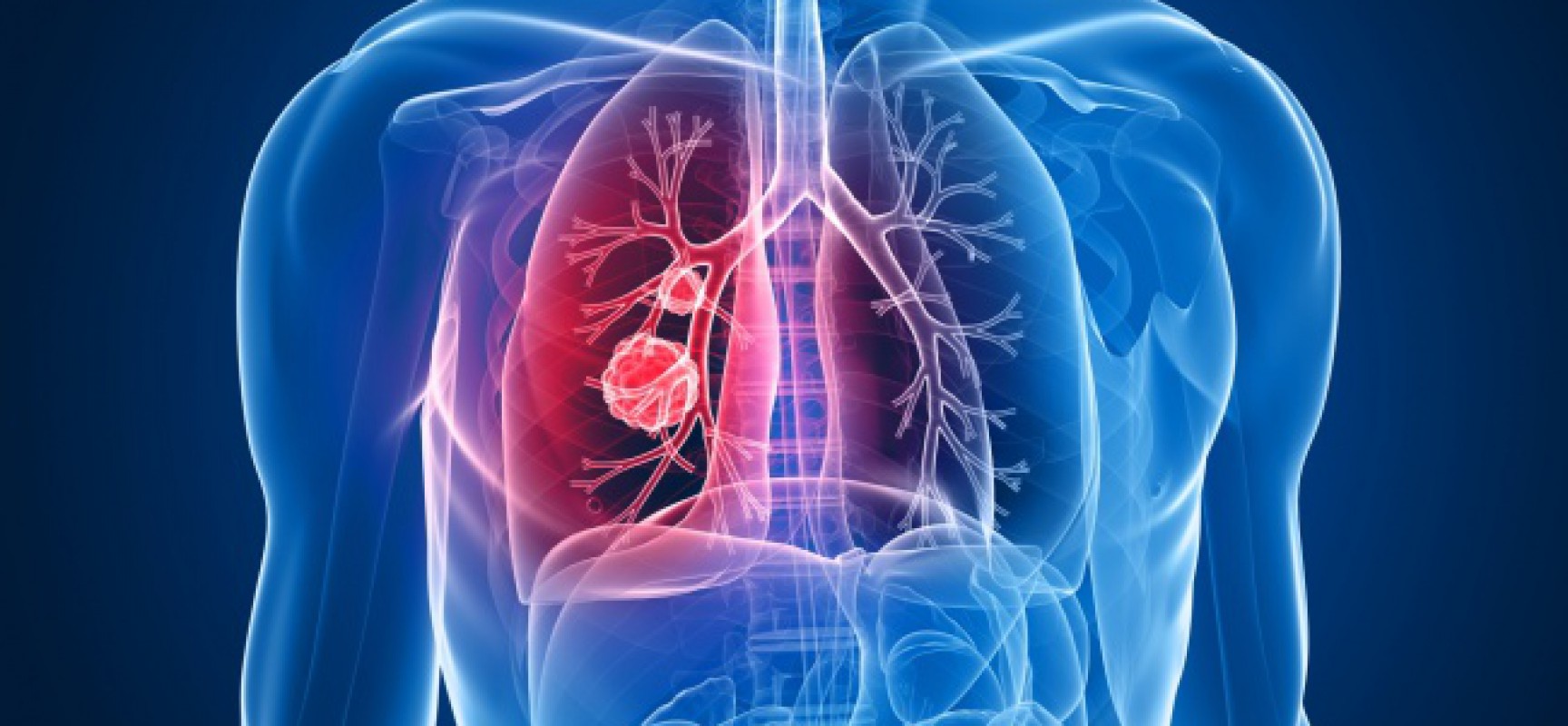
External respiration is the exchange of gases between the body and the external environment. It is carried out using two processes – pulmonary respiration and breathing through the skin.Internal respiration consists of the exchange of gases between the capillaries of a large circle of blood circulation and tissue and interstitial respiration. As a result, oxygen is utilized for oxidative processes.
In humans, external respiration is carried out using a special device that includes three components – the respiratory tract, lungs, chest, and muscles.
The respiratory tract connects the lungs to the environment. They begin with the nasal passages, then continue into the larynx, trachea, and bronchi. Due to the presence of a cartilaginous base and periodic changes in the tone of smooth muscle cells, the airway lumen is always in an open state. Its decrease occurs under the influence of the parasympathetic nervous system, and its expansion occurs under the influence of the sympathetic nervous system. The respiratory tract has a well-developed blood supply system, which warms and humidifies the air. The epithelium of the airways is lined with cilia that trap dust particles and microorganisms. The mucous membrane contains a large number of secreting glands. Approximately 20-80 ml of secretions (mucus) are produced per day. The mucus consists of lymphocytes and humoral factors (lysozyme, interferon, lactoferrin, proteases), immunoglobulins A, which provide a protective function. The respiratory tract contains a large number of receptors that form powerful reflexogenic zones. These are mechanoreceptors, chemoreceptors, and taste receptors. Thus, the respiratory tract ensures constant interaction of the body with the environment and regulates the amount and composition of inhaled and exhaled air.
The lungs consist of alveoli, which are adjacent to the capillaries. The total area of their interaction is approximately 80-90 m2. There is an aerohematic barrier between the lung tissue and the capillary.
The lungs perform many functions:
1) remove carbon dioxide and water in the form of vapors (excretory function);
2) normalize water metabolism in the body;
3) they are second-order blood depots;
4) they participate in lipid metabolism during the formation of surfactant;
5) they are involved in the formation of various blood clotting factors;
6) provide inactivation of various substances;
7) they participate in the synthesis of hormones and biologically active substances (serotonin, vasoactive intestinal polypeptide, etc.).
The chest, along with the muscles, forms a bag for the lungs. There is a group of inspiratory and expiratory muscles. The inspiratory muscles increase the size of the diaphragm, lift the anterior part of the ribs, expanding the anteroposterior and lateral openings, and lead to active deep breathing. The expiratory muscles reduce the volume of the chest and lower the anterior ribs, causing exhalation.
Thus, breathing is an active process that is carried out only with the participation of all the elements involved in the process.
Source: Firsova S.S., Kuzina S. I. “Normal physiology”.
Key takeaways
- Respiration supplies organs and tissues with oxygen and removes carbon dioxide
- External respiration includes pulmonary respiration and breathing through the skin
- The respiratory tract begins with the nasal passages and continues into the larynx, trachea and bronchi
- The airway mucosa produces about 20–80 ml of mucus per day
- The total interaction area between alveoli and capillaries is approximately 80–90 m2
Share:


Global health science — in clear language
We select and translate the best international publications. Read 3 key materials about longevity every week!
Published
July, 2024
Updated
Duration of reading
1-2 min
Category
Body
Share