How the environment changes the human epigenome
The epigenetic mechanism works in such a way that almost everything — food, behavior and habits, thinking, stress and physical activity – can change the way our genes work. The environment also has a significant impact — climatic conditions, air pollution levels and interactions with toxic substances. Through the endocrine and nervous systems, these external factors affect our physiology and control the epigenome, which means they can change us over time.
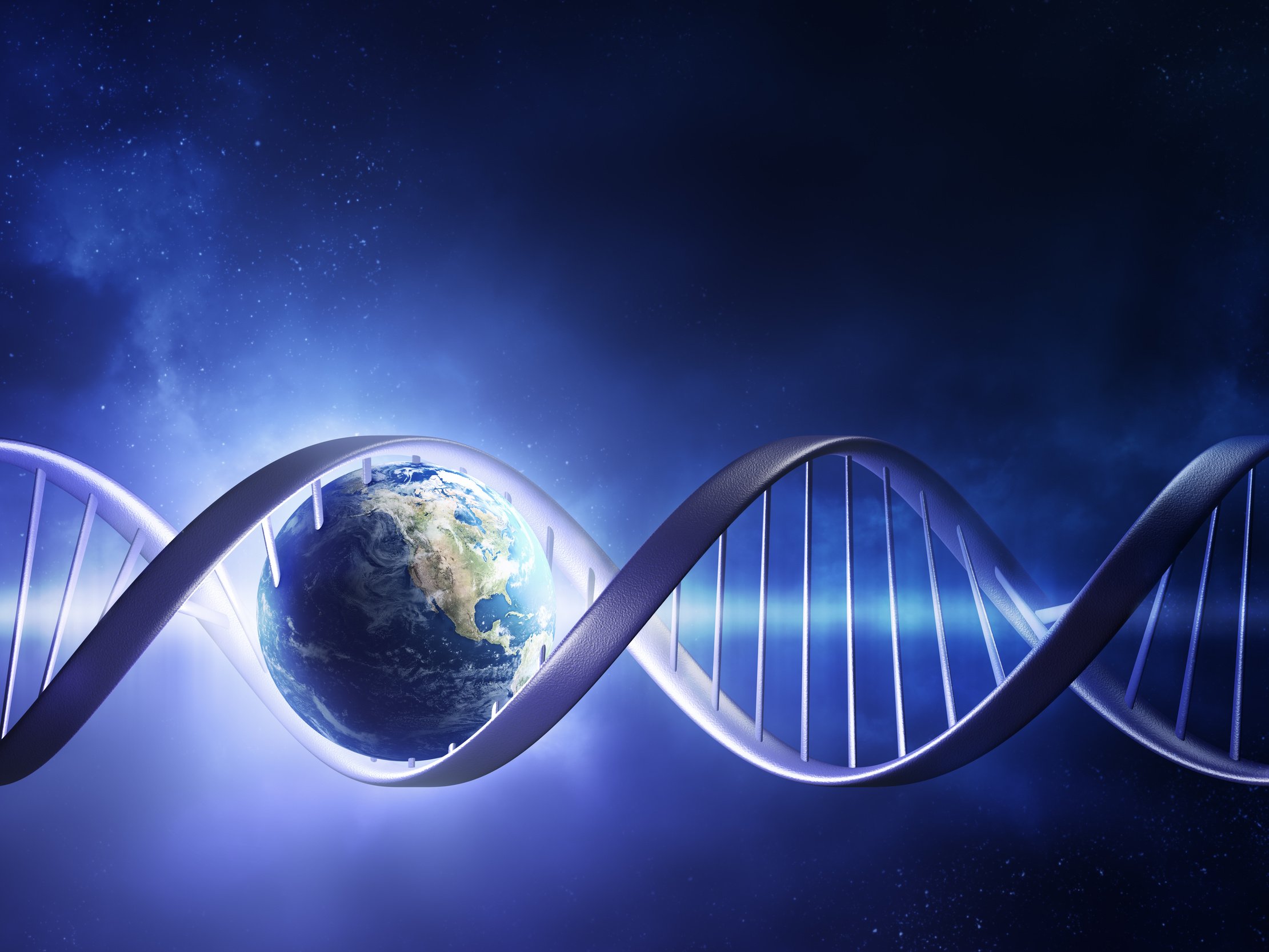
Genes and the environment
Genes affect many aspects of life — appearance, behavior, and building relationships in society, as well as the risks of certain diseases. However, this influence is not one-sided: the environment can also affect genes, and this can be traced both on an evolutionary scale and throughout the life of an individual organism.
The classic example is with Siamese cats. They have a specific color: their nose, ears, paws, tail and testicles (in cats) are black, and the main part of the body is light. The color of their fur is a genetic mutation caused by environmental influences: in colder parts of the body, the enzyme responsible for creating melanin (pigment) works better, so these places turn black, but the main part of the body has a temperature 2-3 degrees higher, so it is light. If you intentionally raise a Siamese cat in a cold environment, it will change color very quickly — it will become much darker. And vice versa — living at high temperatures will make his coat lighter. So the color of these cats depends on the genes, but it also depends on the environment.
It also works in our lives. The signals that we receive from the outside are “caught” by our body and “read” as an instruction, according to which he builds the course of work. These signals tell him what, how, and when to do, which processes to start, and which ones to give the “stop” command to. And it reacts to the effects of environmental factors in the form of various changes in its structure or functions.
Don’t miss the most important science and health updates!
Subscribe to our newsletter and get the most important news straight to your inbox
What is the threat of global warming?
A global temperature increase of just 1.5 degrees has already affected the genes of plants, animals and humans. Ecologists from the University of Florida (USA) It is claimed that climate change has affected the expression of 60% of the genes of all organisms. This was especially true for animals whose physiological characteristics depend on the ambient temperature: for example, sex determination in reptiles (crocodiles, turtles, lizards), body color and size in animals living in water and on land, wing and beak length in some birds. The changes associated with global warming are affecting the ability of these animals to survive and reproduce. This also affected plants — some of them were unable to adapt to extreme temperatures. Entire ecosystems are responding to climate change at the genetic level, and all this threatens to have consequences for humans: according to forecasts by American scientists, global warming will be associated with an increase in the number of pests, a decrease in agricultural yields, unpredictable changes in fisheries and outbreaks of diseases.
Published
March, 2024
Duration of reading
About 3-4 minutes
Category
Epigenetics
Share


How does atmospheric pollution affect us and our descendants?
The air in cities in developing countries is a hodgepodge of various gases and small solid particles. Scientists suggest that air pollution can somehow alter the work of our genes, but the relationship between chemicals and processes at the genetic and cellular level has been poorly studied (although research on this is gaining momentum). For example, Canadian experts from the University of British Columbia believe that even a short inhalation of polluted diesel exhaust air, although it does not change the human genetic code, causes unwanted genes to be activated. And yet, the same scientists note, in order to assert this, it is necessary to study this problem more deeply.

Source: amp.ukrainianwall.com
But what we can already say with confidence is about the mechanism of epigenetic inheritance — when the health of future children may suffer due to negative changes that have occurred at the genetic level as a result of the influence of poor ecology. Poor air quality inhaled by pregnant women can cause mutations at the gene level and DNA structural abnormalities in the embryo. For example, due to such mutations, children with an extra chromosome may be born.
Toxins are all around us
In recent years, many studies have examined the relationship between exposure to environmental chemicals and epigenetic effects, and several toxins have been identified that can alter epigenetic tags. These include bisphenols contained in plastics and epoxy resins, phthalates, which are part of vinyl flooring, plastics, perfluorochemicals used to create a non—stick coating on dishes, pesticides, herbicides, heavy metal salts, etc.
For example, water bottles, eye lenses, dental fillings, CDs and DVDs, household and medical equipment are made with bisphenol, and epoxy resins are used to cover the inside of tin cans. Scientists from the Institute of Experimental Medicine of the Russian Academy of Sciences conducted experiments with different human cell lines and demonstrated that prolonged contact with bisphenol can suppress DNA methylation, an important mechanism for regulating the expression of certain genes. And since the substance affects this, it can disrupt the natural course of this process, they are sure. Other studies have already shown that excess bisphenol in the body is fraught with various problems, from excess weight to disorders in the reproductive system and cancer, so changes at the gene level are also quite real.

Source: www.vladtime.ru
The dangerous effect of phthalates on the body of newborns has also been proven: during experiments on mouse models and humans, it was found that the increased content of these substances in the body of a pregnant woman negatively changes the infant’s body’s response to vaccination.
Another experiment showed that exposure to phthalates on a mother during pregnancy reduces the expression of the insulin-like hormone 3 and the production of testosterone in her child, which prevents him from developing testicles.
Significant modifications of the epigenome can be caused by the pesticide vinclozoline. This was proved by American scientists from the University of Nebraska and Rutgers University and showed another vivid example of epigenetic inheritance. During the experiment, pregnant rats were given vinclozoline in their food and watched how it would affect their children. It turned out that male children had problems with the quality and quantity of spermatozoa with age. Moreover, this effect persisted for four generations of laboratory animals, and then disappeared.
Are negative epigenome changes reversible?
Epigenetic mechanisms are an integral part of the functioning of multicellular organisms. But is it possible to reverse the negative influence of the environment on the epigenome so that it benefits the body? – yes. There is a classic example with agouti mice: under the influence of bisphenol on a pregnant mother, the coat color of her offspring changed and turned yellow (due to a decrease in the methylation of CpG islands in the retrotransponsible sequence located above the agouti gene). But the most interesting thing is that this effect of changing the epigenome could be neutralized by adding biologically active additives to the food of a pregnant mother: for example, folic acid and the phytoestrogen genistein. Such food contributed to the return to the usual mouse phenotype — gray coat color. Scientists believe that it is also possible to find similar effects for humans (from diet, exercise, etc.), but so far this area is still being explored.
In conclusion
New discoveries in the field of epigenetics, which are becoming more numerous every year, give us all hope that we can transform ourselves and convince us that we have power over genes. And in all likelihood, most people have the potential for an active, long life and a happy personality in their genes. And in the future, there is no doubt that a way will be found to wake him up.
Photo: sunhome.ru