When the hormones kick in
On the first of March we celebrate two holidays at once – the onset of spring and Cat Day. And it is not by chance, because, according to scientists, it is in this month that cats start actively looking for a mate. Why this happens, read the RIA News article.
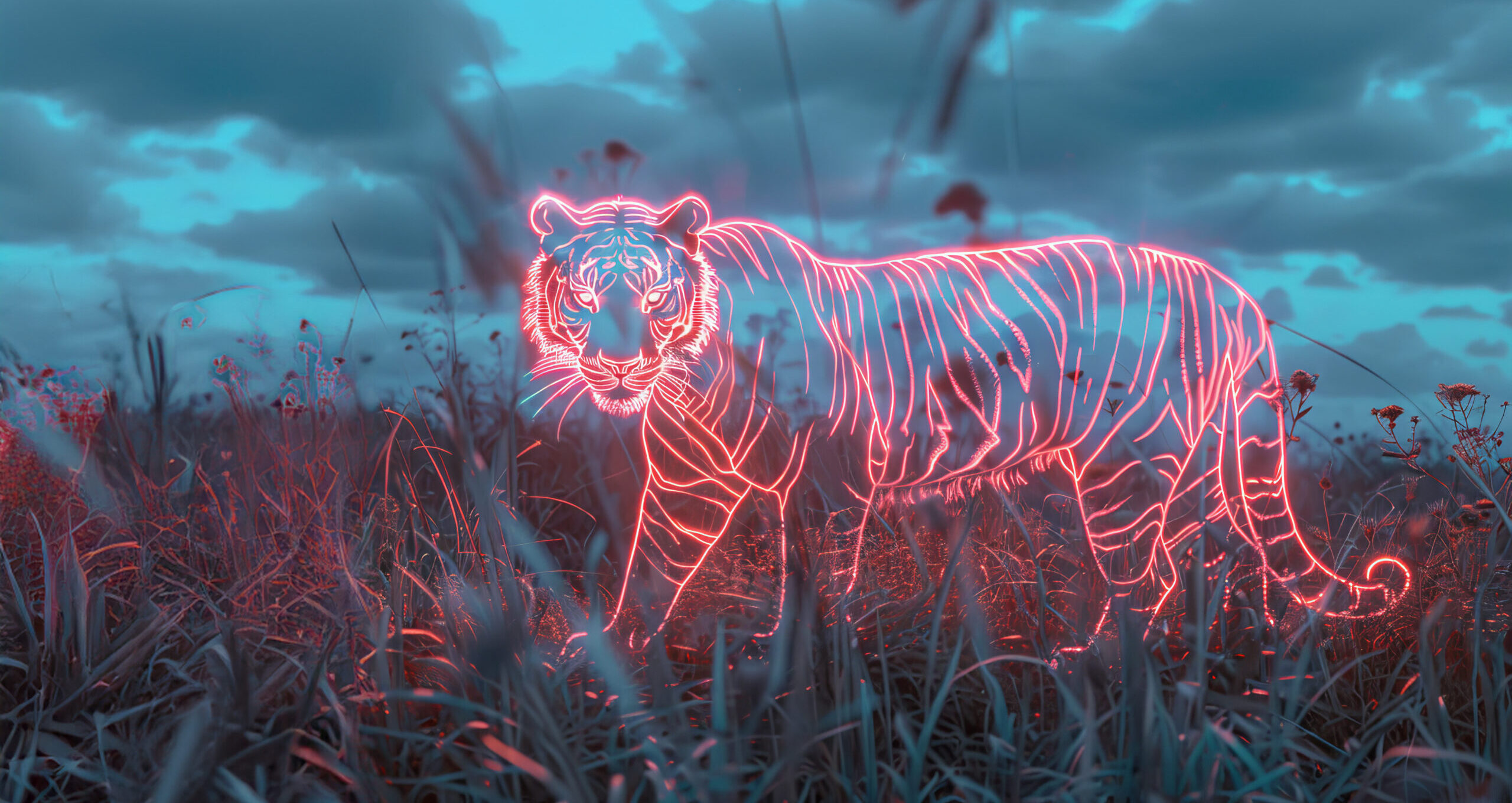
“The hormonal cycle of feral cats, whether living in southern lands or tropical in origin, is hardly tied to a specific time of year. They bear offspring both in autumn and summer. Inhabitants of the middle latitudes tend to breed from spring to early autumn. But the “northerners” breed strictly in spring, but they can be counted on the fingers. They include the Eurasian lynx, snow leopard, manul and Chinese wildcat,” says Sergei Naidenko, a leading researcher at the A.N. Severtsov Institute of Ecology and Evolution. A.N. Severtsov Institute of Ecology and Evolution of the Russian Academy of Sciences, a specialist in reproductive biology of mammals.
The wild ancestors of our cats fed mainly on rodents, which in winter stay in burrows. With the onset of cold weather it is more difficult to get food, so the sexual activity decreased. A small role was also played by the fact that in the cold season kittens can simply freeze. The organism of cats familiar with winter has adapted to the change of seasons thanks to the ability to distinguish the intensity of sunlight.
Don’t miss the most important science and health updates!
Subscribe to our newsletter and get the most important news straight to your inbox
Every hormone has its season
The cat’s hormonal cycle is divided into two periods. In the first, the pituitary gland, i.e. the gland located at the base of the brain, secretes a hormone that stimulates the follicles. These produce estrogens, hormones that prepare the animal’s body for mating.
The eggs then grow and mature, estrogen is produced and released, and the cat’s sex drive begins. Mechanical stimulation of the vagina during sexual intercourse causes the release of the hormone lutropin in the brain. And it already stimulates the ovaries and the release of the ovum. This type of ovulation, called induced, is characteristic of most solitary predators. The explanation for this saving of resources is very simple: why waste eggs “idle”, if the partner is not around anyway?
“The seasonal dependence of the breeding period is tied to melatonin, a hormone produced by an endocrine gland called the epiphysis. It is only synthesised in the dark: therefore, the longer the daylight hours, the less melatonin there is in the animal’s body. That’s why the first rutting period of cats living in temperate latitudes is in March, when the sun shines longer and stronger,” explains Sergei Naidenko.
The less melatonin produced, the more follicle-stimulating hormone is produced, which in turn increases estrogen levels.
Outside the heat period, the cat will not allow the cat to mate with her. And males treat females who are not ready to become pregnant differently. Some of them try to be friends with them, play and socialise, while others are indifferent or sometimes show aggression, trying to chase the cat away from their territory.
Contrary to nature
A domestic cat can start heat at almost any time of the year. On average, about 12 hours of light exposure per day is sufficient for this, and not necessarily sunlight – artificial light is also suitable. And in its absence, heat can stop altogether: in particular, in long-haired cats, which often have a lower hormonal background.
“It is interesting that in rural animals the connection of “hormone rage” to the warm season is more pronounced than in urban and domestic animals. It is quite logical, because the latter two categories are provided with food all year round,” the expert notes.
Street animals that get enough food sometimes give birth to kittens in winter and early spring. They can get the necessary dose of light from lanterns, signs or in rooms where they are allowed to warm up. For this reason, it is best not to let domestic cats that are not sterilised for any reason outdoors at any time of the year.
Author: Olga Kolentsova.
Published
July, 2024
Duration of reading
About 1-2 minutes
Category
Endocrine system
Share

