How old do you feel you are? Your future depends on it
Most of us feel either younger or older compared to how old we actually are. This “subjective age” has a big impact on physical and mental health. From recent research, scientists conclude that how old you feel is far more important than your actual age. Why?
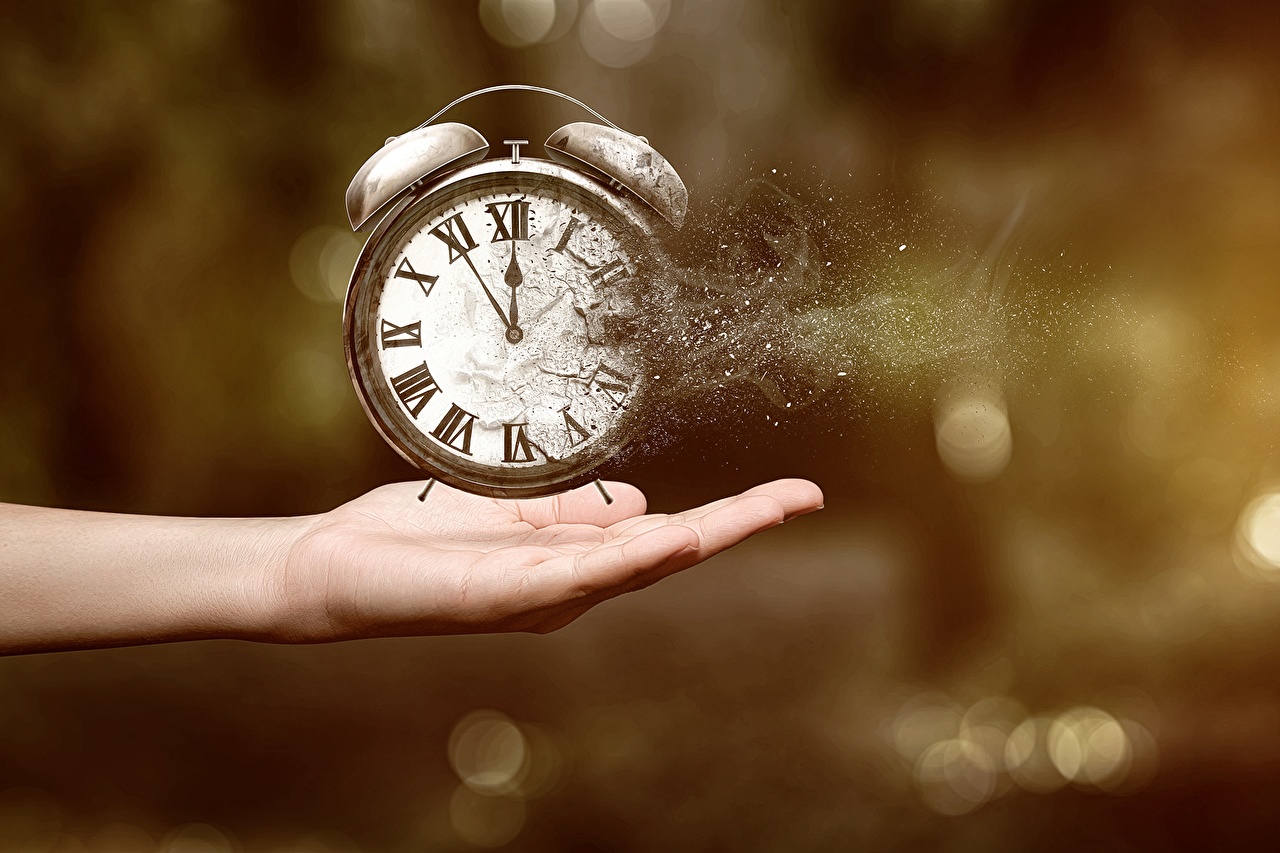
Imagine for a moment that you have no birth certificate and your age is only determined by how old you feel you are. How old would you give yourself?
Like your height and shoe size, the number of years that have passed since you were born is an undeniable fact. But it’s also a fact that we all age differently, and many people feel older or younger than their actual age.
Scientists have recently become increasingly interested in this peculiarity. They have found that our subjective age may be key to understanding why some people only blossom with age, while others fade before our eyes.
“How much younger than their age seniors feel may determine what kinds of decisions a person makes – both everyday and life decisions,” says Brian Nosek of the University of Virginia.
Various studies have even shown that your subjective age can be a predictor of important health changes, including the likelihood of death.
It turns out that the phrase “you are as old as you feel you are” can be interpreted in the truest sense.
Now scientists, intrigued by these results, are trying to pick out from various biological, psychological and social factors those that shape the individual experience of aging to then understand how this might help us live longer and healthier lives.
The new understanding of the aging process did not come immediately and took decades of research. The very first papers on the subject began to appear in the 1970s.
But now the initial trickle of interest has turned into a torrent. Over the past 10 years, in a multitude of new studies, scientists have been trying to understand what psychological and physiological consequences this discrepancy in the sense of self and real age may lead to.
One of the most intriguing areas is the study of how our subjective age affects our character.
It is now widely recognized that as we age, our character softens, we become less extroverted and less open to new experiences. Such changes in character are less noticeable in those who are young at heart, and clearly pronounced in those who subjectively feel older than in reality.
What is interesting, however, is that people who are subjectively younger become, among other things, less neurotic and more conscious – that is, they still acquire the qualities that come with life experience, but they do not lose the energy and vivacity of youth.
So a lower subjective age by no means freezes us in a state of immaturity.
Feeling younger than our age appears to mean both a lower risk of depression and a healthier psyche as we age.
Add to that better health, a reduced risk of senile dementia and those diseases that bring older people to the hospital bed.
Yannick Stephan of the University of Montpellier examined data from three multi-year studies that tracked the lives of more than 17,000 middle-aged and elderly participants.
Most felt about eight years younger than their age. But some felt old, and the consequences were severe.
Feeling eight to 13 years older led to an 18 to 25 percent higher risk of death over the study period, as well as more illnesses, even when other demographic factors – education, race or marital status – were taken into account.
There are many reasons why subjective age has such an impact on our health status. All of these can be the result of cumulative changes in character. Say, those of us who feel younger continue to enjoy traveling or new hobbies into old age.
“Studies have shown, for example, that subjective age helps predict what a given person’s physical activity will be,” says Stephan.
But the mechanism linking physical and mental health to subjective age almost certainly works both ways.
If you’re depressed, if you feel physically weak, if you often forget things, you’re more likely to feel old.
This may seem like a vicious circle: psychological and physiological factors add years to our subjective age and impair our health, which in turn makes us subjectively feel even older and even more vulnerable.
Stephan’s analysis, to be published in the journal Psychosomatic Medicine, is the largest study to date of how subjective age affects mortality rates. Its findings are so serious that they should be looked at closely.
Just think about it: your subjective age can predict your health far better than the date on your birth certificate.
With this in mind, many scientists are trying to isolate the social and psychological factors that influence this complex process.
When exactly do we begin to realize that our brains and our bodies have different ages? And why does it happen?
Brian Nosek of the University of Virginia, working with colleague Nicole Lindner, investigated how the discrepancy in real and subjective age develops over the course of a lifetime.
As you might expect, most children and adolescents feel older than they actually are. However, this changes around the age of 25, when self-perception of age falls below real age.
By age 30, about 70% of people feel younger than they really are. And this discrepancy only grows over time.
As Nosek and Lindner write in their study, “subjective aging appears to occur on Martian time, where one Earth decade equals 5.3 Martian years.”
Lindner and Nosek also measured the “desired age” of the study participants: it turned out that Martian time was also in effect.
According to Nosek, this “reinforces the idea that over time we tend to give ourselves fewer and fewer years.”
The peaks of change in attitudes toward one’s age over the course of a lifetime are several. As we mentioned, 60% of 20-somethings want to be older. But by 26, 70% prefer to be younger, and from that point on, most of us put on rose-colored glasses when it comes to our years.
Some psychologists suggest that a lower subjective age is a kind of self-protection. In this way we protect ourselves from negative stereotypes associated with aging.
In particular, the results of a study by Anna Kornadt from the University of Bielefeld (Germany) show this.
Kornadt suggested that subjective age is a multifaceted thing: at work, for example, you feel one number of years, and with friends – on another.
She asked study participants to answer whether they felt older or younger in different areas of their lives.
She found that people underestimate their age at work, in financial and health matters. And that’s natural, because these are the areas where old age has negative connotations.
Kornadt also found that people with lower subjective age tended to see their future in a more positive light.
This kind of psychological self-defense protects us from the inherently negative views of old age and the elderly and gives us optimism. It also explains where the health benefits of feeling young at heart come from.
However, although the aforementioned studies have opened our eyes to some aspects of our perception of our own age, scientists are only beginning to approach all the possible applications of this knowledge – in particular, to improve people’s health.
For example, in one of the few existing papers on the subject, older study participants performed better in physical fitness if they were regularly praised.
Since knowledge of subjective age helps to predict future health, Yannick Stephan believes that doctors should always ask patients how old they feel, and already based on this, to outline a treatment plan.
In general, it is always worth remembering that no matter how old you are, the limitations imposed by age may well be dictated by your self-image.
Don’t miss the most important science and health updates!
Subscribe to our newsletter and get the most important news straight to your inbox
Published
June, 2024
Duration of reading
About 3-4 minutes
Category
Aging and youth
Share

