Bacteria on the tongue may be associated with cognitive abilities
The speed of thinking and the efficiency of brain function depend on many factors: from the nervous system to the volume of gray matter in key areas. As it turns out, there is also a much less obvious factor — the oral microflora. Scientists from the University of Exeter have discovered a link between the composition of microbes on the tongue and how successfully a person copes with cognitive tasks at different ages.
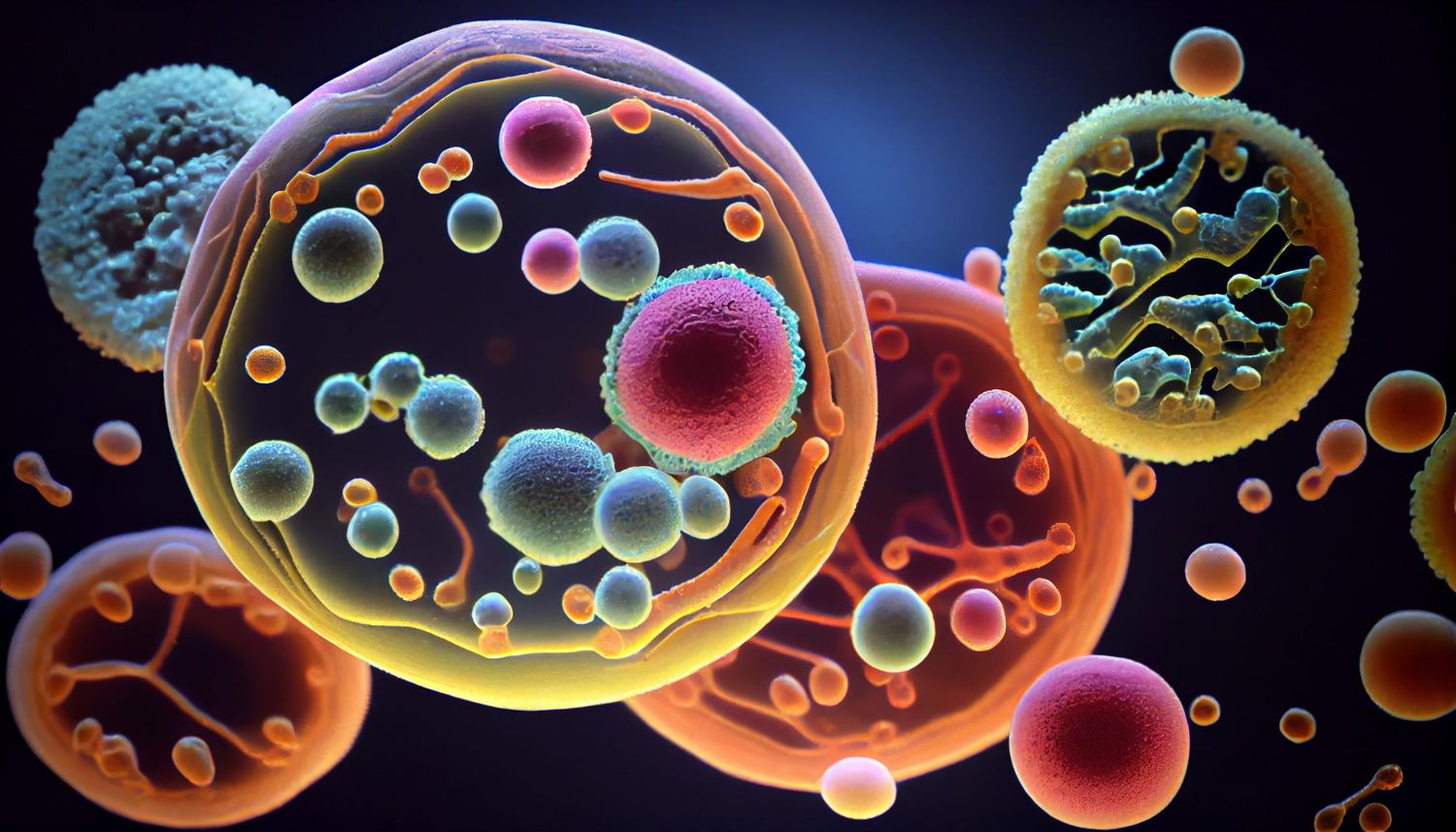
The idea behind the study is based on already known mechanisms. When we eat foods rich in nitrates (for example, beets or leafy greens), nitrates enter the bloodstream and then the saliva. Beneficial bacteria in the oral cavity convert them into nitrites, from which the body synthesizes nitric oxide. This gaseous compound helps relax blood vessels and can increase blood flow to the brain, and therefore potentially affect cognitive functions.
To verify whether the bacteria involved in this pathway are indeed linked to brain function, a team led by Joanna L’Ere conducted a study involving 30 people: 15 young and 15 elderly volunteers in Exeter (UK) and a similar group in Brussels (Belgium). The presence of two locations made it possible to understand whether this connection is universal or depends on the place of residence.
Each participant completed a series of 10 tests assessing memory, information processing speed, and attention span. Swabs were taken from the volunteers’ tongues, as well as blood and saliva samples, and their blood pressure was measured. Using DNA sequencing, the scientists determined which bacteria were present in the oral cavity and compared the composition of the microbiome with the results of cognitive tests.
The picture turned out to be complex. For example, people with higher levels of Prevotella histicola in their oral cavity showed faster responses when performing various cognitive tasks — this pattern was observed in both countries. However, the results for another microorganism, Haemophilus parainfluenzae, were ambiguous. In the UK, higher levels of this bacterium were associated with faster responses in tests of reasoning and spatial perception, but with slower responses in emotion recognition. In Belgium, the same elevated levels correlated with better results in tests of visual and working memory.
Seventeen types of bacteria were also identified, the abundance of which differed between young and older participants. For example, the species Neisseria flavescens, which is capable of converting nitrates, was more common in young people in both countries, although it did not directly correlate with test scores. In contrast, older participants had higher levels of bacteria associated with gum disease, such as Treponema and Tannerella.
The place of residence also turned out to be an important factor: according to the analysis (RDA), geographical location was the only significant predictor of differences in microbial composition. At the same time, age consistently and strongly correlated with cognitive indicators: older participants in both countries demonstrated lower scores in information processing speed and in some memory tests.
The authors say that so far we are talking about associations, not proven cause‑and‑effect relationships. “The identified relationships should be considered preliminary,” the researchers note. “Larger‑scale studies will be needed to understand whether these patterns reflect real biological differences or are due to statistical variability.”
Published
October, 2026
Updated
Category
Science
Duration of reading
3-4 min
Share


Source
Scientific journal PLOS One. Article: Oral microbiome signatures of ageing and cognitive function across distinct geographical cohorts
Global health science — in clear language
We select and translate the best international publications. Read 3 key materials about longevity every week!