Proteins repair DNA and help Huntington’s disease
Huntington’s disease is a genetic attack that slowly destroys brain cells, robbing a person of the ability to think, move and live a full life. Scientists from Thomas Jefferson University (USA) have uncovered how this affliction works at the molecular level. Together with colleagues, she and her colleagues have discovered a protein complex that repairs damaged DNA, and this duo could be a target for new drugs. Their findings, published in Nature Communications, offer hope for slowing the disease.
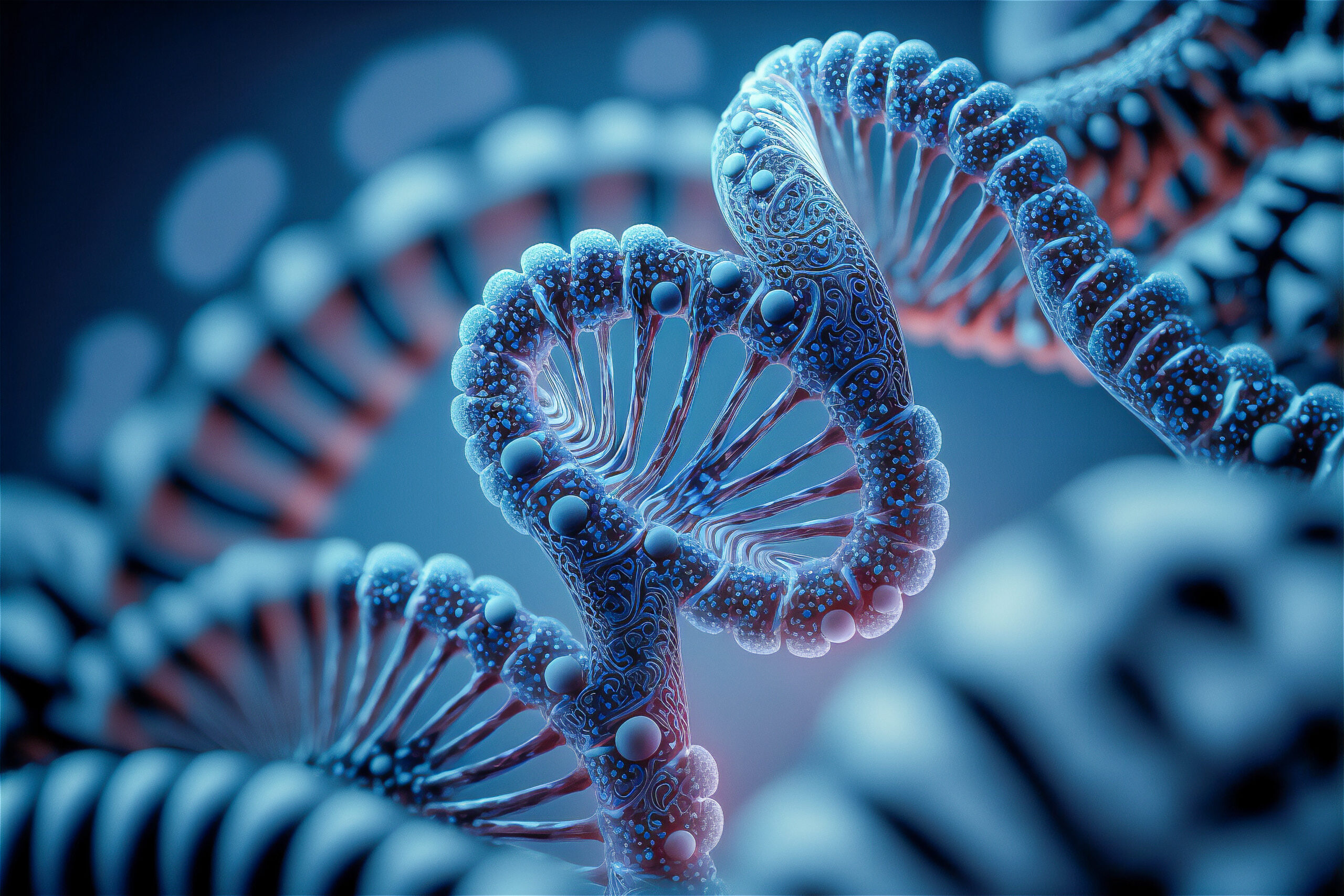
At the heart of Huntington’s disease is a glitch in the DNA: an area of repetitive sequence grows with age, like an improperly buttoned shirt where the buttons have fallen into the wrong loops. These extra loops elongate the DNA, and it begins to produce a toxic protein that poisons neurons. Over time, the brain loses function and the person fades away. Scientists have long known that changes in the FAN1 protein can either accelerate or delay the onset of disease, but how this happens has remained a mystery.
To solve the mystery, Plucennik’s team armed themselves with an electron microscope and peered into the world of molecules. They saw that FAN1 acts like a pair of scissors, gently slicing off the extra loops of DNA that cause trouble. But it doesn’t work alone: FAN1 teams up with another protein, PCNA, to form a strong alliance. This complex is like a genome repair shop, where each performs a different task to put the DNA back in order.
But the disease has a trump card: the same mutations that precipitate Huntington’s weaken the bond between FAN1 and PCNA. The complex becomes brittle, like blunt-bladed scissors, and can no longer effectively remove extra pieces of DNA. This discovery explains why some people develop symptoms earlier. But more importantly, it suggests a path to salvation: if you strengthen this protein duo or increase the amount of FAN1, you can slow the destruction.
Plucennik’s discovery is not just a step toward understanding Huntington’s, but a real chance for a cure. Scientists are already thinking about how to make FAN1-PCNA stronger or help the body produce more FAN1. This could push back the onset of the disease, giving people more time to live a full life. Anna Plucennik, a member of the Sidney Kimmel College of Medicine, believes, “If we can learn how to maintain this complex, we can protect the brain and slow down the disease.”
Huntington’s is not just a rare disease, but an example of how DNA malfunctions can destroy lives. The new knowledge about FAN1 and PCNA opens the door not only to treating Huntington’s, but also other ailments associated with genetic breakdowns. Scientists are urged to move forward by testing ways to amplify this protein mechanism so that in the future every patient will have a chance to stop the disease before it takes too much.
Published
May, 2025
Duration of reading
2-3 minutes
Category
Science
Share


Don’t miss the most important science and health updates!
Subscribe to our newsletter and get the most important news straight to your inbox