Even in old age brain remains capable of change
Some layers of the cerebral cortex responsible for touch are not only preserved, but can also thicken with age. All this indicates that the human brain is able to adapt and rebuild itself even in old age.
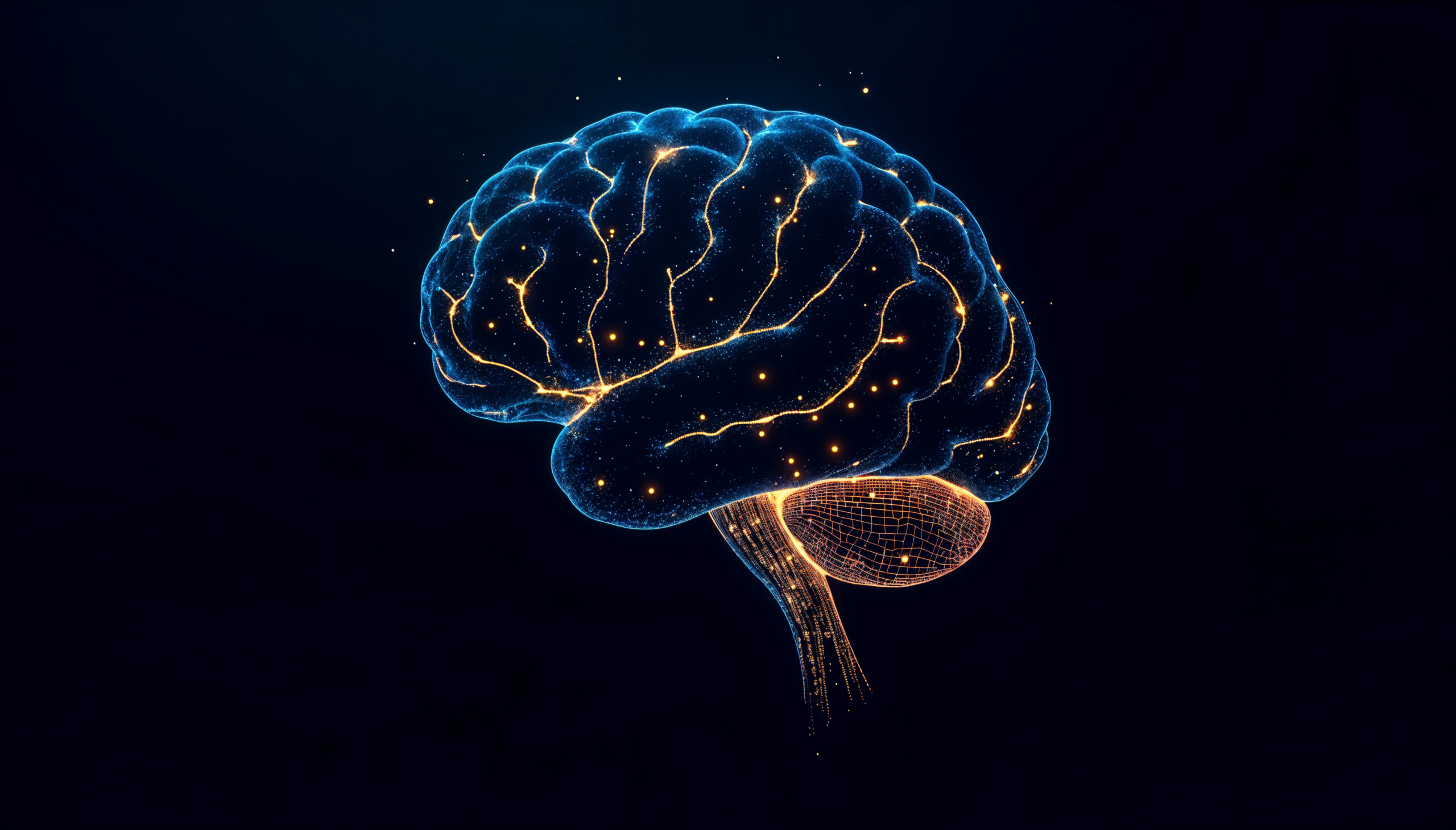
German researchers from the Center for the Study of Neurodegenerative Diseases (DZNE), the University of Magdeburg and the Institute for Clinical Brain Research. Gertie in Tubingen found out that the aging process of the brain is more complicated than previously thought. Using high—precision MRI, they studied the primary somatosensory cortex, the area of the brain responsible for processing signals from the organs of touch.
Usually, the cerebral cortex becomes thinner with age, which is associated with the loss of neurons and deterioration of functions. However, the analysis showed: not all layers of the crust age in the same way. The middle and upper layers, which are actively involved in processing external stimuli, often remain stable or even become thicker in older people. It is believed that this is a manifestation of neuroplasticity — the ability of the brain to rebuild itself in response to constant stimulation.
The study involved about 60 people aged 21 to 80 years. Additionally, tests were performed on the sensitivity and mobility of the hands, as well as functional MRI. It turned out that the deep layers of the cortex, which are responsible for the “modulation” of signals (amplification or suppression, depending on the situation), are more susceptible to age-related changes. It is their degradation that may explain why it is more difficult for older people to perform habitual tasks in conditions of interference, for example, with noise.
Interestingly, despite the decrease in the thickness of the deep layers, the myelin content in them increased. This may be due to an increase in the number of certain neurons that improve signal transmission and partially compensate for age-related losses. Similar changes were found in mice.
It was concluded that regular brain stimulation helps to maintain its functionality even in old age. Thus, these data give reason for optimism — active interaction with the outside world and skill training can slow down age-related changes in the brain.
Published
August, 2025
Category
Science
Duration of reading
2—3 minutes
Share


Don’t miss the most important science and health updates!
Subscribe to our newsletter and get the most important news straight to your inbox