Protein and physical activity are essential for longevity
Modern recommendations for physical activity and protein consumption are primarily aimed at preventing nutrient deficiencies, rather than helping people stay strong, independent, and mentally alert for as long as possible. This conclusion was reached by researchers who analyzed current scientific data.
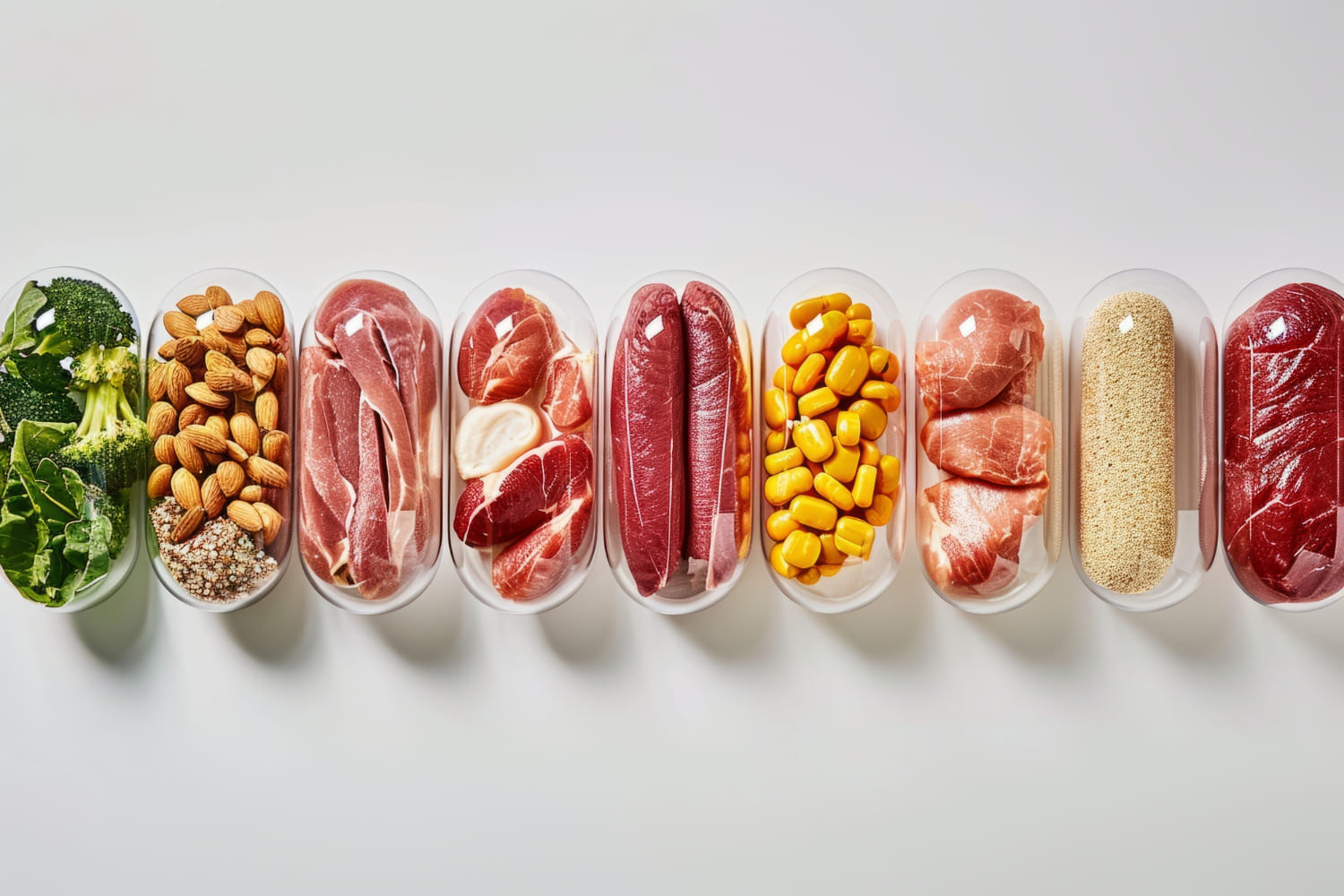
It has been found that maintaining physical and cognitive function in old age may require more protein and more intense exercise than previously thought. Current guidelines, such as those in the UK, are primarily focused on sedentary adults. However, new research suggests that increased protein intake may be beneficial not only for athletes but also for older adults, physically active individuals, and pregnant women. Additionally, a high-protein diet can help reduce body fat. A person feels fuller for longer, and the body spends more energy on digesting such food.
Regular physical activity also has significant benefits. It reduces the risk of mortality, strengthens mental health, supports brain function, and helps to counteract age-related changes. Combining aerobic exercise with strength training is particularly beneficial.
However, it is possible to increase protein intake through a plant-based diet, provided that it is properly planned. Practice shows that many vegans successfully gain strength and muscle mass, including in strength sports.
Experts say that this is not about abolishing the existing minimum standards. They suggest supplementing them with guidelines for achieving optimal health. It is also important to change the attitude towards intense training and protein-rich foods. Their value lies not in achieving an impressive appearance, but in maintaining the ability to lead an active and independent life in old age, with the strength to move, socialize, and perform daily tasks.
A sedentary lifestyle is often perceived as the norm, and its consequences, such as weakness, slowness, and fragility, are often presented as an inevitable part of aging. However, experts believe that in many cases, these problems can be significantly delayed or mitigated through the adoption of scientifically-based habits. This can significantly improve the quality of life in later years and reduce the amount of unnecessary age-related suffering.
Published
June, 2026
Updated
Category
Medicine
Duration of reading
2-3 min
Share


Source
Scientific journal Frontiers in Nutrition. Article: Beyond the bare minimum: the case for revised physical activity guidelines and protein intake recommendations that maximise healthspan
Global health science — in clear language
We select and translate the best international publications. Read 3 key materials about longevity every week!