Accessibility of parks determines the physical fitness of the population
Walking outdoors remains the most popular form of physical activity among adult residents of the United States. According to a large-scale survey involving nearly 400,000 individuals, more than 44% of respondents identified walking as their primary leisure activity. The study, published in the journal PLOS One, confirms that this activity is equally popular in both urban and rural areas.
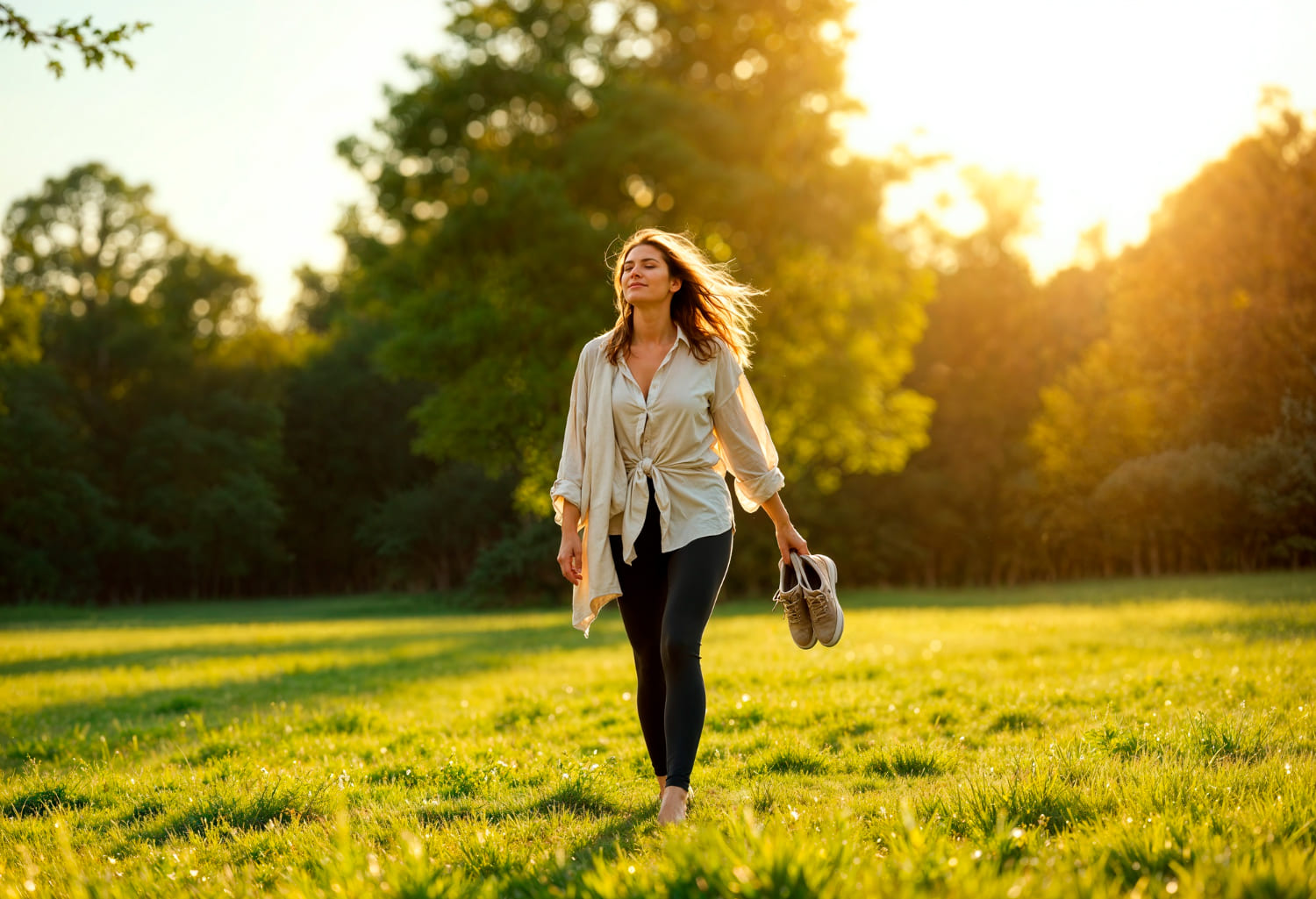
Despite the prevalence of such walks, scientists have found a significant gap between the desire to move and the actual implementation of medical recommendations. Only one in four individuals who choose walking as their primary activity fully comply with the recommended physical activity levels. This suggests that for most people, walking alone may not be sufficient to maintain optimal health without additional physical exertion.
To understand the findings, it is crucial to examine what healthcare professionals consider to be “sufficient physical activity.” The U.S. Department of Health’s recommendations categorize physical activity into two essential types. The first type is moderate-intensity aerobic exercise, which should be done for at least 150 minutes per week. This includes activities such as brisk walking, running, or cycling, which can increase heart rate.
The second type is muscle-strengthening exercises, which should be done at least twice per week. This can include activities such as weightlifting, resistance training, or yoga. The study found that about 22% of walkers do not meet any of these standards, and most ignore the strength part of their workouts, relying only on their steps.
The preferences for active recreation are directly influenced by the environment. Rural residents are more likely to choose activities that involve nature and physical labor, such as gardening, hunting, fishing, or working on a farm. In contrast, urban residents are more likely to report engaging in activities like running, weightlifting, dancing, or visiting fitness centers.
General statistics show that city dwellers are more likely to achieve their health goals than those who live in villages or small towns. Rural residents are generally more likely to lead sedentary lifestyles outside of work. Scientists attribute this to the better infrastructure in cities, which includes more sidewalks, well-lit parks, and accessible gyms.
One of the main reasons for the lack of activity in rural areas is the lack of safe sports facilities. Country roads often lack wide running or cycling lanes, and public spaces may be neglected. The study authors emphasize that people’s habits often reflect not their laziness but what they have access to and what is approved by their surroundings.
To address this issue, specific steps are proposed, such as expanding the network of cycling paths based on abandoned railway tracks, opening school gyms to the public, and improving local parks. By creating physical and social conditions in small towns, people can become more active without having to drastically change their lifestyle.
Changing the way we think about urban and rural environments could be the key to closing the health gap. It’s important to understand that even simple adaptations of abandoned buildings into activity centers or the creation of exercise programs in centers for older adults can make a significant difference. The goal of the scientists is to make physical activity an accessible and natural part of life in any community.
Published
April, 2026
Category
Interesting facts
Duration of reading
3-4 minutes
Share


Source
Scientific Journal PLOS One. Article: Adults’ leisure-time physical activity preferences and association with physical activity guidelines by metropolitan status, United States
Don’t miss the most important science and health updates!
Subscribe to our newsletter and get the most important news straight to your inbox