Feijoa lowers systolic blood pressure
Scientists from the University of Auckland conducted the world’s first long‑term clinical study of feijoa powder in humans and discovered an unexpected effect. Although the initial goal was different, participants who took the powder showed better reduction in systolic blood pressure (the upper number in blood pressure readings) compared to the placebo group.
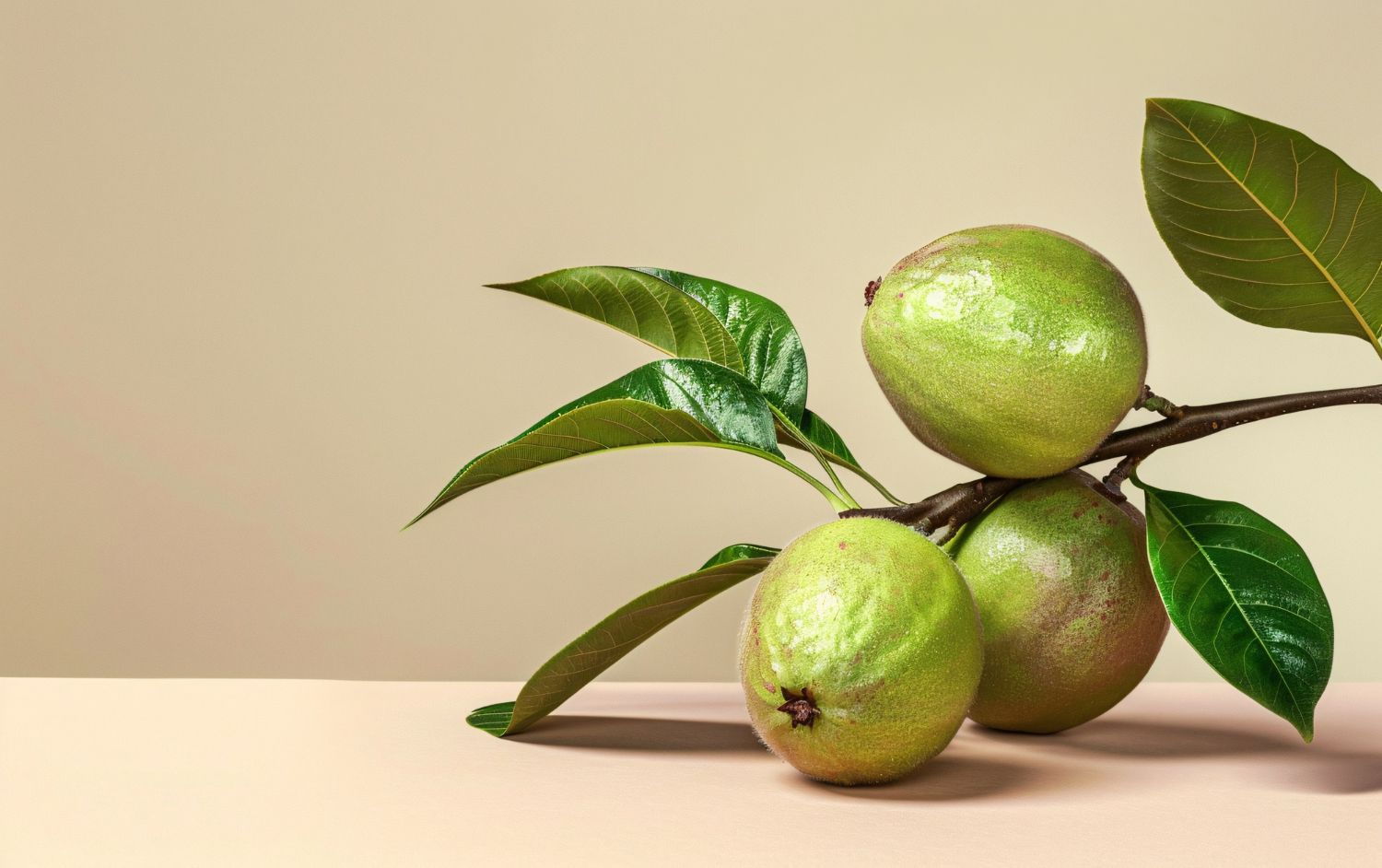
The study, titled FERDINAND, examined whether powder made from whole feijoa fruit (the Feiolix product by Anagenix Ltd.) could enhance weight loss or improve blood sugar levels — that is, reduce the risk of type 2 diabetes — as part of a six‑month weight‑loss program for people with prediabetes. The work was carried out as part of New Zealand’s government‑funded scientific initiative, High‑Value Nutrition, whose goal is to confirm the beneficial properties of food products and support the export of New Zealand functional foods.
The trial involved 97 adults with elevated blood sugar levels. Each day, they took approximately one gram of feijoa powder or a placebo, mixing it with water or adding it to breakfast. For the first two months, the participants lost weight through a program that replaced part of their meals with special foods; for the next four months, they worked to maintain the achieved weight.
The key result turned out to be not where it was sought. The scientists found no significant effect on weight loss or blood sugar levels. However, systolic blood pressure in the group that took feijoa improved more noticeably than in the placebo group. At the same time, the evidence cannot be considered conclusive, as the effect was not observed in all data analysis options, and the sample size itself was relatively small. Therefore, the authors say that larger‑scale studies are needed to confidently assert the benefits of feijoa for blood pressure control.
Interest in feijoa is linked to its rich composition: the fruit contains biologically active substances — polyphenols, flavonoids, vitamin C, and abscisic acid (ABA). They have antioxidant and anti‑inflammatory properties and may also potentially affect metabolism. A previous short clinical study in Iran indicated the benefits of feijoa for patients with type 2 diabetes.
Published
October, 2026
Updated
Category
Medicine
Duration of reading
1-2 min
Share


Source
Scientific journal Diabetes, Obesity and Metabolism. Article: Evaluating Whole Fruit Feijoa Powder for Type 2 Diabetes Risk Prevention: A Randomised Controlled Trial
Global health science — in clear language
We select and translate the best international publications. Read 3 key materials about longevity every week!