Physiological differences in the reaction of men and women to saunas and ice baths
The choice between an ice bath and a sauna for body recovery largely depends on biological sex, as men and women use different physiological mechanisms to adapt to extreme temperatures. A new study reveals that hormonal levels and body composition determine not only the method of thermoregulation, but also the ultimate effectiveness of the procedures. While the male body is more likely to generate heat through muscle tremors and increased blood flow, the female body is more efficient at retaining heat due to the distribution of adipose tissue and the influence of estrogen.
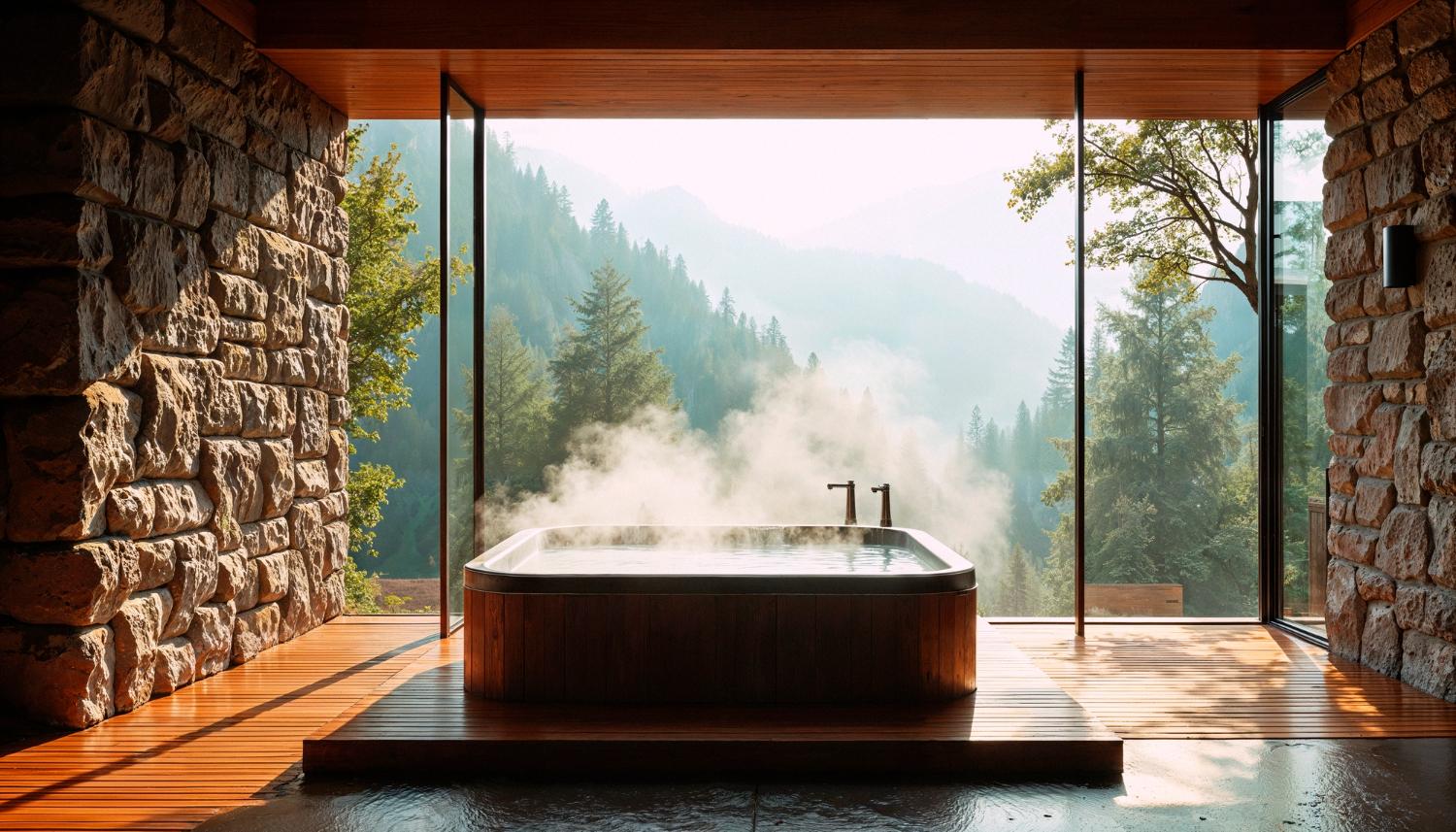
When exposed to cold water, the sympathetic nervous system is activated, leading to constriction of peripheral blood vessels and redistribution of blood from the skin to the internal organs to conserve heat. The hypothalamus stimulates the release of catecholamines (adrenaline and noradrenaline), which increases blood pressure and heart rate. At the cellular level, cold exposure promotes the “browning” of white adipose tissue and the activation of brown adipose tissue, which metabolizes lipids to generate heat energy.
Short-term exposure to cold also affects cognitive function and immune response. Increased levels of norepinephrine and cortisol can improve mood and alertness. Research suggests that cold-shock proteins (such as RBM3) are produced, which provide protection to synapses and may play a role in the prevention of neurodegenerative diseases. However, excessive exposure can temporarily impair memory and reaction time.
In contrast, heat therapy causes dilation of blood vessels in the skin, increasing skin blood flow and facilitating the transfer of heat to the external environment. This leads to an increase in cardiac output to maintain blood pressure in the dilated vessels. Heat shock proteins (HSP70 and HSP90) play a key role in protecting cells from damage, as they stabilize protein structures and reduce oxidative stress.
Saunas and hot baths improve endothelial vascular function by activating nitric oxide (NO). This gas dilates blood vessels and promotes angiogenesis, the formation of new capillaries. For athletes, heat therapy immediately after exercise accelerates heat acclimatization and promotes faster muscle recovery by improving blood circulation.
Men and women demonstrate different strategies of thermoregulation. In conditions of overheating, women are more likely to cool down by activating more sweat glands (especially on the forearms), whereas in men the mechanism of increased skin blood flow prevails. In cold conditions, men generate more heat through shivering, while women are more effective in retaining heat due to a higher percentage of subcutaneous adipose tissue acting as an insulation.
Sex hormones have a significant impact on thermoregulation. Estrogen promotes vasodilation and heat loss, while progesterone increases the body’s internal temperature, particularly during the luteal phase of the menstrual cycle. These hormonal fluctuations alter the body’s sensitivity to cold and heat, influencing metabolic responses and fat distribution. In women, fat tends to accumulate in the hips and breasts, while in men, it accumulates in the torso and abdomen.
To optimize the benefits and ensure the safety of thermal treatments, an individualized approach is crucial. Current data suggests that women may require less intense cold exposure to achieve metabolic effects. At the same time, heat exposure is more effective in developing cardiovascular endurance and improving insulin sensitivity in both sexes, but considering the phase of the cycle and hormonal status allows for more accurate prediction of physiological responses. The scientific community emphasizes the need for further research with gender-specific data to develop more precise rehabilitation and prevention protocols.
Published
April, 2026
Category
Medicine
Duration of reading
3-4 minutes
Share


Source
Scientific International Journal of Circumpolar Health. Article: Health effects of voluntary exposure to cold water – a continuing subject of debate
Don’t miss the most important science and health updates!
Subscribe to our newsletter and get the most important news straight to your inbox