Photo calorie trackers may underestimate the energy value of dishes
Modern calorie counting apps are increasingly using artificial intelligence to determine the composition and calorie content of a dish based on a photo. This approach is convenient, as users only need to take a photo of their food, and the system will automatically calculate the protein, fat, and carbohydrate content. However, a new study has found that popular photo-based apps systematically underestimate the actual calorie content and especially the fat content of dishes, by an average of about a third.
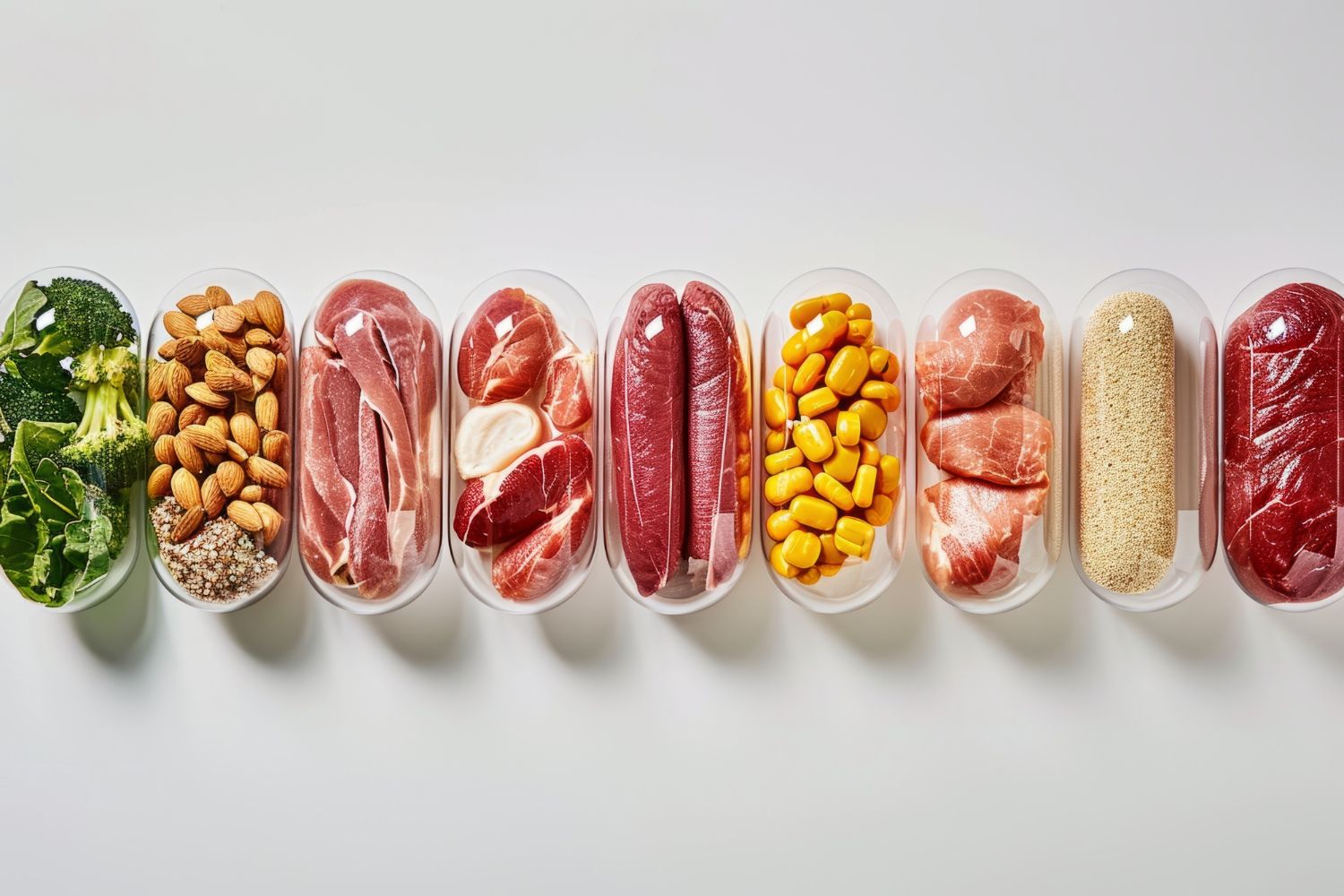
The study was conducted by experts from the National Institute of Diabetes and Digestive and Kidney Diseases (NIDDK, part of the National Institutes of Health in the United States). The work was part of a larger project at the NIH Clinical Center, which focused on studying how the body processes nutrients on low-carbohydrate (ketogenic) and standard diets.
The key advantage of this study is the ability to compare the app’s ratings with an accurate reference. All the dishes for the experiment were prepared in a controlled metabolic kitchen. The ingredients were weighed to the nearest 0.1 gram, and then standardized photos of 102 dishes were taken. These images were uploaded to four popular apps: MyFitnessPal, LoseIt!, CalAI, and Appediet.
The results were revealing: all four apps underestimated the calorie content of the dishes by an average of 250-345 kilocalories, and the fat content by about 30 grams. However, some patterns emerged. For example, MyFitnessPal and LoseIt! The apps were more accurate in estimating the energy content of high-calorie dishes compared to low-calorie dishes. Additionally, all four apps demonstrated a more consistent accuracy in estimating carbohydrates compared to other macronutrients.
In the next step, the experts analyzed more than 200 additional dishes to identify the factors that most influenced the algorithms’ errors. The initial findings suggest that the apps perform worse when dealing with ketogenic diet dishes. This is likely due to the fact that these dishes tend to contain higher amounts of fat, which the apps tend to systematically underestimate.
According to the researchers, the popularity of photo trackers is especially high among people who want to control their weight or monitor their health. However, users should not blindly trust the automatic calculations. If a person relies only on photos without manually adjusting their portions, the actual calorie content of their diet is likely to be higher than the app shows.
The authors of the study believe that the accuracy of trackers can be improved in real-world settings by combining photo features with traditional methods of food tracking, such as manually entering food volumes or using kitchen scales. This hybrid approach will allow us to compensate for the weaknesses of automated systems and make diet control more reliable.
Therefore, despite the convenience and technological advancements of photo-based calorie counting apps, their estimates cannot be considered completely accurate. It is particularly important to consider the tendency of algorithms to underestimate fat content, which can impact dietary planning and the achievement of nutritional goals.
Published
July, 2026
Updated
Category
Interesting facts
Duration of reading
3-4 min
Share


Source
Scientific portal Medical Xpress . Article: Photo-based calorie-tracking apps may underestimate energy in meals
Global health science — in clear language
We select and translate the best international publications. Read 3 key materials about longevity every week!