Walnuts reduce the inflammatory activity index
Daily addition of walnuts to the diet can gradually change the overall profile of the diet, reducing its potential to provoke inflammation. To assess the “inflammatory potential” of the diet, researchers used a special tool — the Dietary Inflammatory Index (DII). It allows you to evaluate how the set of foods and nutrients a person consumes is associated with higher or lower levels of inflammation in the body.
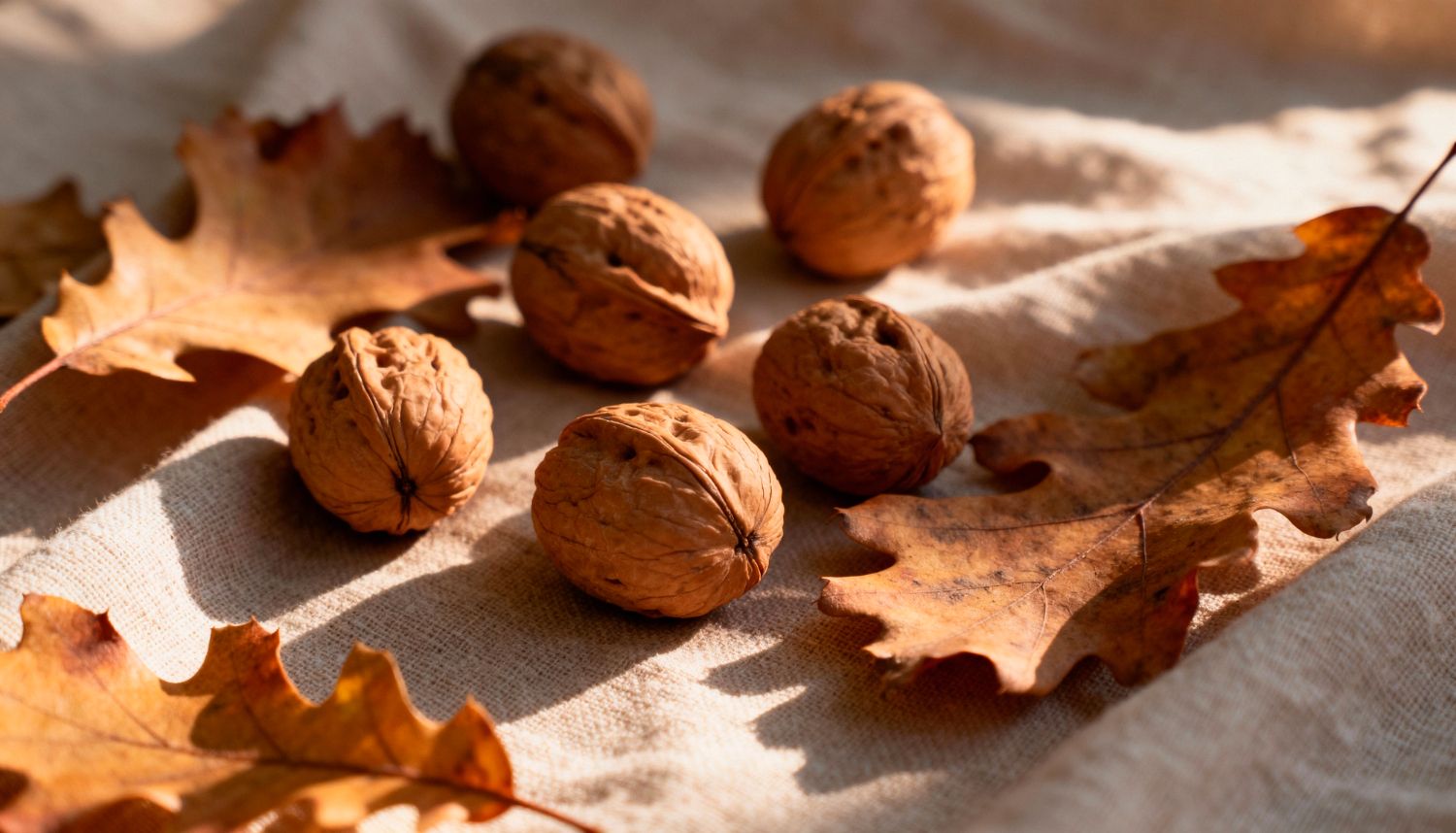
As part of a two‑year randomized controlled study titled “Walnuts and Healthy Aging,” scientists observed 319 elderly residents of Loma Linda (California). The participants were divided into two groups: one consumed 1–2 ounces (28–57 grams) of walnuts daily, while the other, the control group, did not eat walnuts and significantly restricted their consumption of other nuts. At the same time, neither group was given any additional dietary recommendations. Over the course of two years, the participants met with the researchers five times and reported what they had eaten and drunk in the previous 24 hours.
At the end of the experiment, those who regularly ate walnuts had slightly but statistically significantly lower DII scores than the participants in the control group. This indicates that their overall dietary profile became less “pro‑inflammatory”.
The results are consistent with earlier findings from the same project: it has previously been shown that daily consumption of walnuts is associated with a reduction in a number of inflammatory biomarkers circulating in the blood. Now another dimension has been added — the impact on the overall nature of the diet. Together, these data indicate that walnuts can simultaneously affect both the actual level of inflammatory markers and the potential inflammatory activity of the entire diet.
The work is based on data from the large‑scale project “Walnuts and Healthy Aging” — a two‑year clinical trial conducted jointly by specialists from the Loma Linda University School of Public Health and the Barcelona Clinic. More than 20 scientific publications have already been released as part of this project. The study was supported by a grant from the California Walnut Commission.
The study’s senior scientific director, Sujatha Rajaram, emphasizes that including nutritious foods like walnuts in the diet is a simple and practical way to make the diet less inflammatory. This choice, on its own, without major dietary changes, can improve the overall quality of the diet.
Published
October, 2026
Updated
Category
Medicine
Duration of reading
1-2 min
Share


Source
Scientific journal Journal of the Academy of Nutrition and Dietetics. Article: The Dietary Inflammatory Index Is Lower Among Healthy Older Adults Consuming a Walnut-Supplemented Diet. Ancillary Results From the Walnuts and Healthy Aging Randomized Controlled Trial
Global health science — in clear language
We select and translate the best international publications. Read 3 key materials about longevity every week!