Ginger disrupts the energy system of tumors
Sometimes the answers to the most difficult questions can be found in nature. Scientists from Osaka Metropolitan University (Japan) decided to look inside an ordinary plant in order to find even more benefits in it — and they did not lose. Experts have found a compound in ginger root that can block one of the key energy sources of cancer cells. A group of researchers published their results in the journal Scientific Reports.
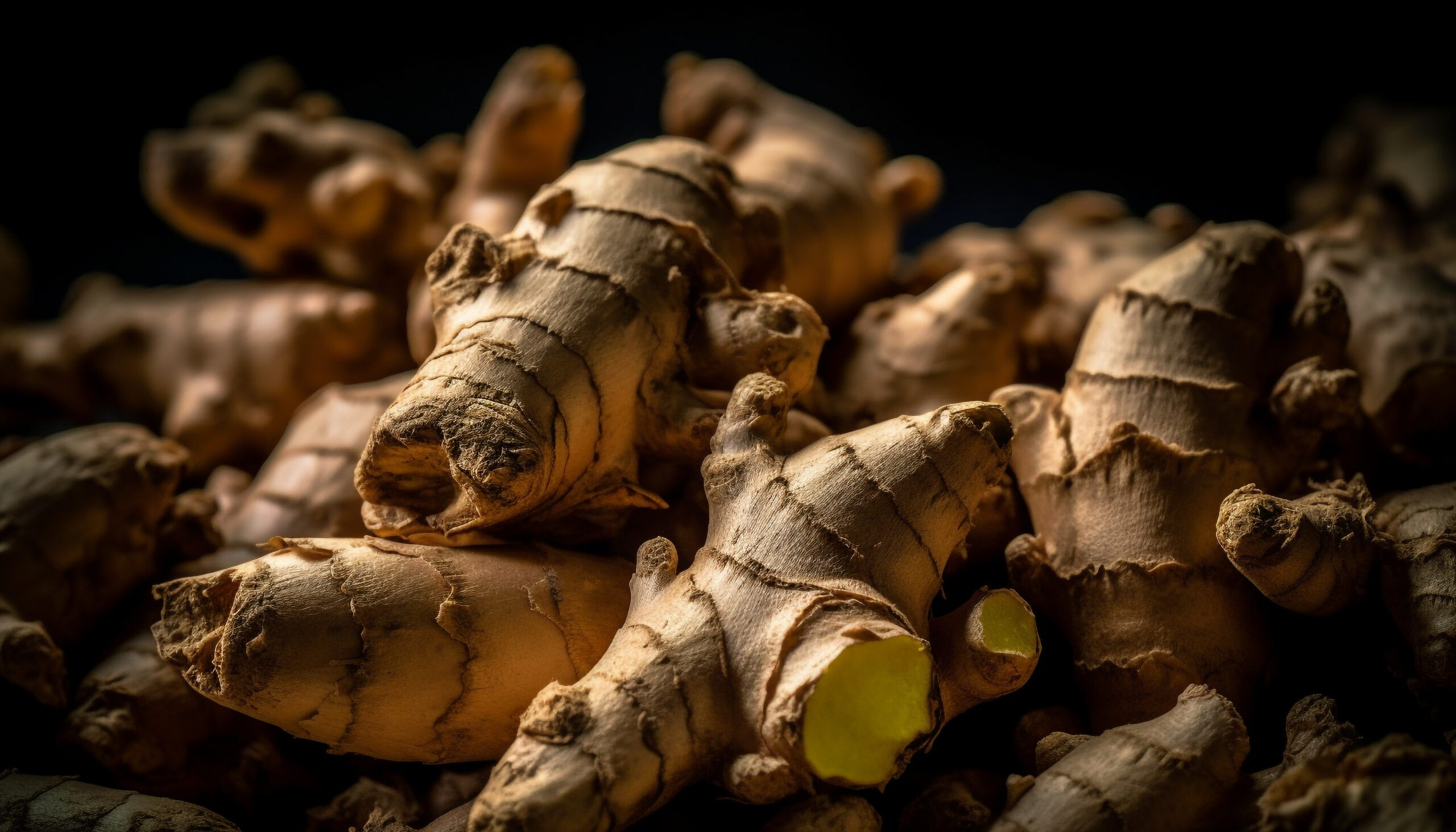
They investigated a compound found in the kenkura root, a type of ginger. This substance with the difficult-to-pronounce name ethyl-p-methoxycinamate turned out to be able to slow down the growth of tumors, depriving cancer cells of energy.
It’s all about how tumors get energy to grow. Unlike healthy cells that use oxygen to generate energy, cancer cells take a detour — they process glucose without oxygen. This method, though ineffective, helps them survive and share quickly. This phenomenon is called the Warburg effect.
However, Japanese researchers have discovered something unexpected. Instead of preventing cells from producing energy through glucose, the substance from kenkura knocks down another process — the synthesis of fatty acids. Without this link, tumors cannot effectively produce ATP, a universal energy accumulator inside cells.
Interestingly, in response to the intervention, the substance does not destroy the cells directly. Instead, tumors try to compensate for the loss of energy by strengthening alternative ways of obtaining fuel. This may explain why the substance does not cause cell death immediately, but creates conditions under which they become vulnerable.
“This discovery not only expands our understanding of how cancer cells provide themselves with energy, but also opens the way to new therapies,” said Professor Akiko Kojima-Yuasa, head of the study. Sometimes nature turns out to be wiser than the most advanced technologies in the fight against serious diseases.
Published
June, 2025
Duration of reading
1-2 minutes
Category
Medicine
Share


Don’t miss the most important science and health updates!
Subscribe to our newsletter and get the most important news straight to your inbox