The immune system can age us prematurely
Sometimes proteins that are supposed to help our genetic code copy and repair itself “stick” to it tightly, forming dangerous knots. If the cell does not have time to untangle this tangle, a chain reaction is triggered, leading to old age at a young age. The researchers found that the SPRTN protein plays a key role in DNA purification. It works as a cleaner, removing excess debris during cell division. However, if the protein does not work well or is missing, the consequences for the body become catastrophic. A publication in the journal Science reveals the mechanism of how an uncorrected genetic malfunction causes our own immune system to attack the body, provoking premature aging and even death.
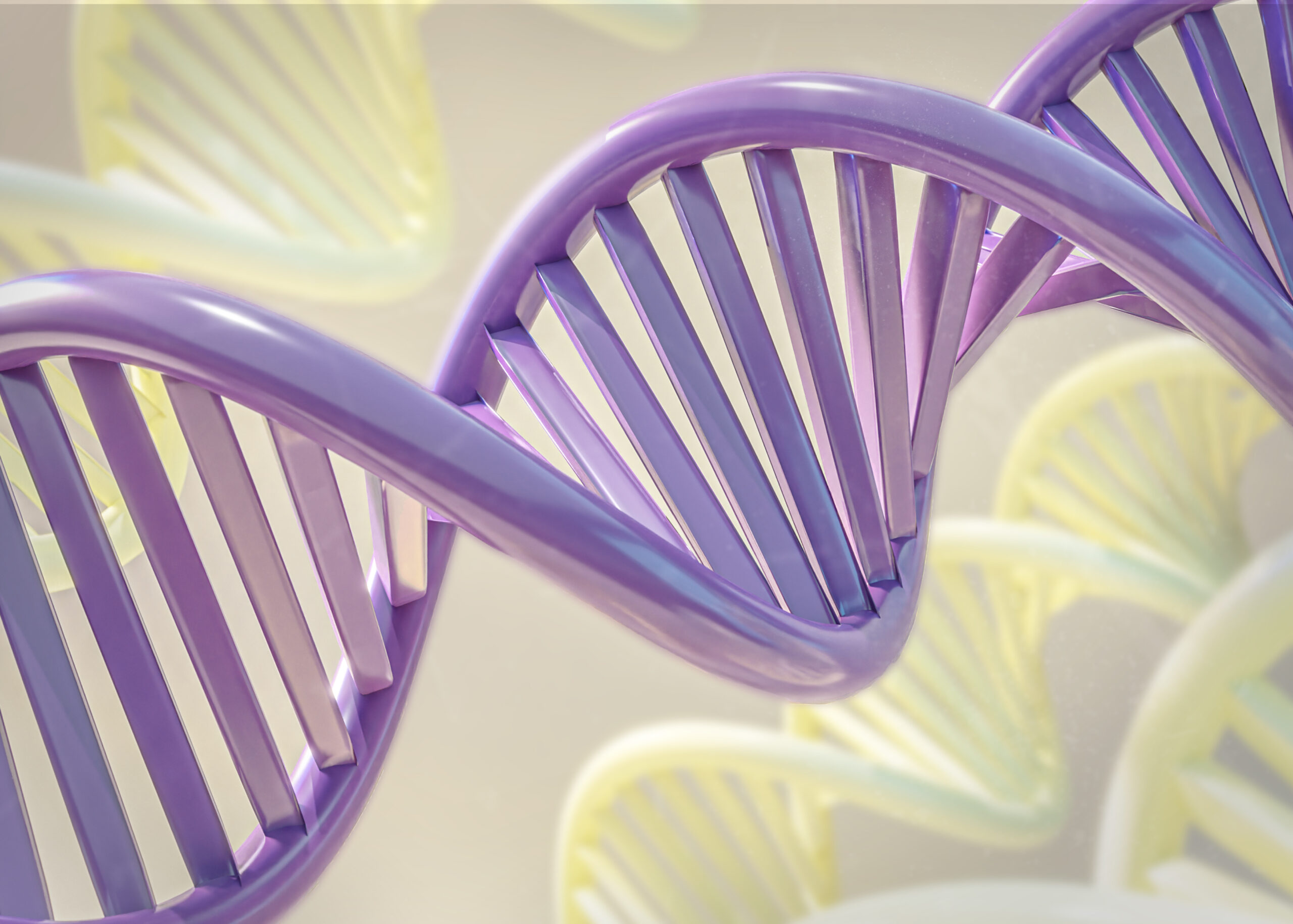
Normally, proteins approach DNA, do their job, and leave. But sometimes they stick tightly to the helix, forming so-called DNA-protein crosslinking (DPCs). This prevents the cell from dividing and copying information normally.
Scientists have found out that the SPRTN protein is active not only during gene copying, but also at the time of cell division (mitosis) itself. Without it, chromosomes cannot separate properly, and micronuclei with damaged DNA are formed, which effectively disrupts the entire process of reproducing life at the cellular level.
The most interesting discovery is that the body reacts to this garbage as if it were an invading enemy. The accumulation of damaged DNA activates the innate immune pathway cGAS-STING. Usually this system is needed to fight viruses, but here it begins to work against the host, causing chronic inflammation.
It is this constant internal inflammation that leads to accelerated aging. This mechanism explains the nature of the rare Ruijs-Aalfs syndrome (RJALS), in which children age and die very early. They just have a broken gene responsible for the production of the cleaner protein SPRTN.
Experiments on mice with artificially induced syndrome have yielded encouraging results. When scientists turned off the aggressive immune pathway cGAS-STING (genetically or with drugs), the rodents stopped aging prematurely and dying, despite the presence of errors in the DNA.
This proves that the root of the problem lies not so much in the very breakdown of genes, as in the excessive immune response to it. Blocking this pathway may become the basis for the creation of new drugs against diseases of aging and inflammatory processes.
Published
February, 2026
Category
Science
Duration of reading
2-3 minutes
Share


Source
Scientific Journal Science. Article: DNA-Protein crosslinks promote cGAS-STING-driven premature aging and embryonic lethality
Don’t miss the most important science and health updates!
Subscribe to our newsletter and get the most important news straight to your inbox