How to cope with osteoarthritis and reduce the risk of its development
Osteoarthritis is one of the most common joint diseases; for example, more than 30 million adults in the United States alone suffer from it, and the knees are most commonly affected. Moreover, the disease often occurs not only in the elderly but also in people of working age (in about half of the cases).
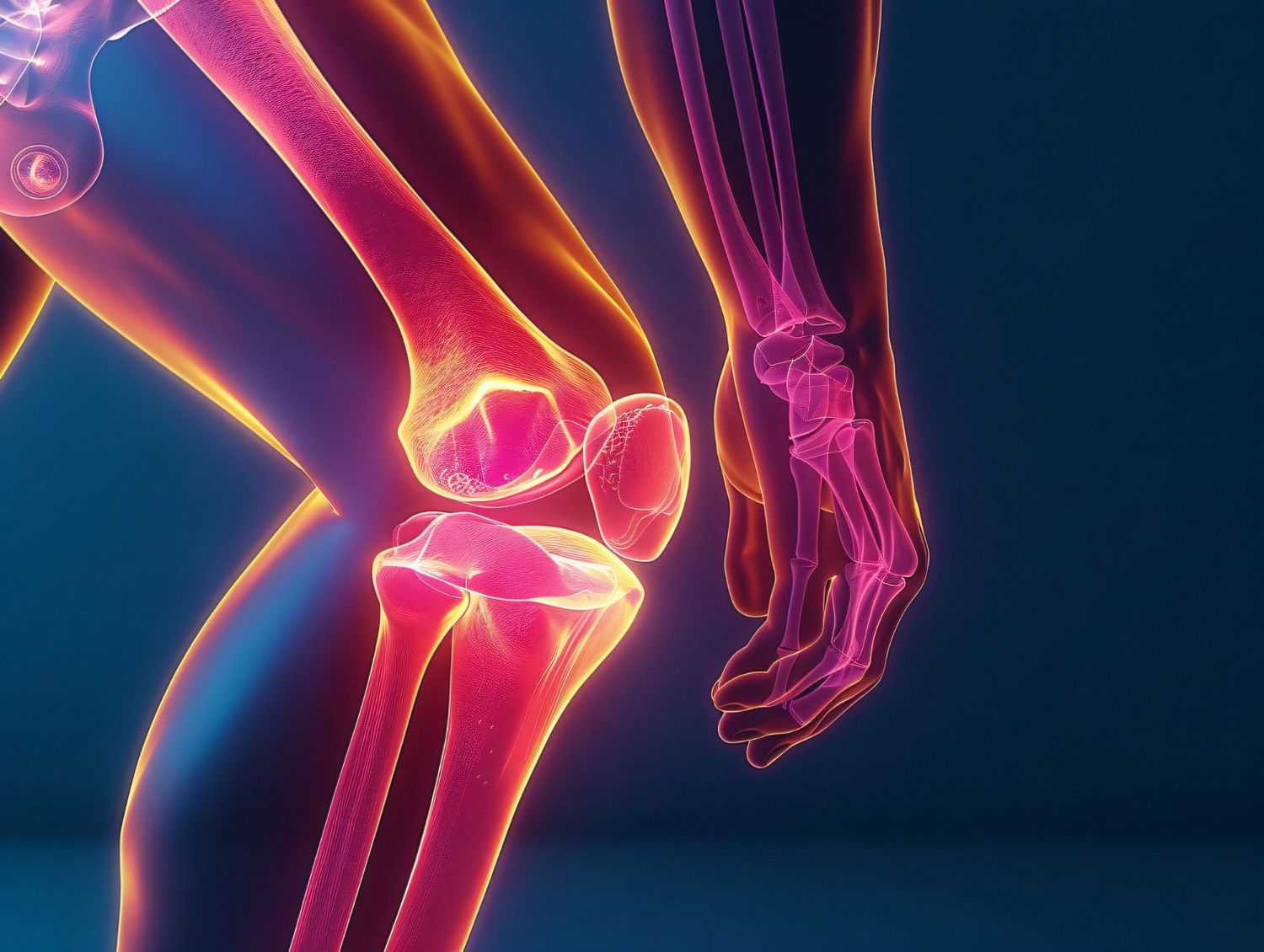
In osteoarthritis, the cartilage layer between the bones in the joint gradually thins and breaks down. In a healthy knee, cartilage is responsible for smooth movement and protects the joint from excessive loads. When the cartilage tissue wears out, a person experiences pain and stiffness, which can worsen over time. According to Dr. Abby Cheng, an orthopedist and specialist in physical medicine and rehabilitation at Washington University School of Medicine in St. Louis, such symptoms can seriously impair quality of life. They reduce the level of physical activity, increase the risk of falls, affect emotional well‑being, and often lead to loss of working days and income. Moreover, limited mobility can increase the likelihood of developing other chronic diseases, including heart disease, diabetes, and certain types of cancer.
The likelihood of developing knee osteoarthritis increases with a number of factors. These include weak leg muscles, excess weight or obesity, being female, and older age, as well as a history of knee injuries and a family history of osteoarthritis. At the same time, as Dr. Cheng emphasizes, hereditary predisposition does not mean the disease is inevitable: there are a number of measures that can significantly reduce the risk of its development.
For patients with an already established diagnosis, a comprehensive approach can reduce pain and improve mobility, and in some cases, it may potentially slow down the deterioration of the condition. Strengthening the thigh muscles helps to better support the knee joint and reduce the load on it. Weight control plays a significant role, as even moderate weight loss produces a noticeable effect. For example, losing 4.5 kg reduces the load on the knees by 18 kg with each step, which noticeably reduces discomfort in the joints.
An anti‑inflammatory effect is achieved with a diet that predominantly consists of plant‑based foods, with processed and sugar‑containing products kept to a minimum. Such a diet may help reduce pain in all joints. Additional support is provided by orthopedic devices; for example, knee pads help stabilize the joint and redistribute the load. In some cases, medication and injection therapy are used: the doctor may prescribe anti‑inflammatory drugs, cortisone injections, or other types of intra‑articular interventions, taking into account the patient’s individual characteristics. In severe cases, knee joint endoprosthetics may be considered. At the same time, an individual patient management plan is extremely important. The treating doctor not only selects appropriate methods but also helps the person join support programs to maintain healthy habits in the long term.
Many of these measures also work as a way to prevent osteoarthritis. Regular physical activity, including running, contrary to popular belief, does not necessarily harm the joints if done with proper technique and adequate load; it helps maintain mobility and strengthen muscles. A balanced diet rich in whole grains, fruits, and vegetables and low in refined and processed foods helps maintain a healthy weight and reduce inflammatory processes in the body. Weight control remains one of the most effective ways to reduce the load on the joints and lower the risk of developing diseases.
Dr. Cheng emphasizes that even small changes in lifestyle can bring significant benefits. Although osteoarthritis can be hereditary, it is not a death sentence, as proper preventive measures can significantly reduce the likelihood of developing the disease and help maintain mobility and a good quality of life for many years.
Published
August, 2026
Updated
Category
Medicine
Duration of reading
4-5 min
Share


Source
Medical portal MedicalXpress. Article: Tips for treating—even preventing—osteoarthritis
Global health science — in clear language
We select and translate the best international publications. Read 3 key materials about longevity every week!