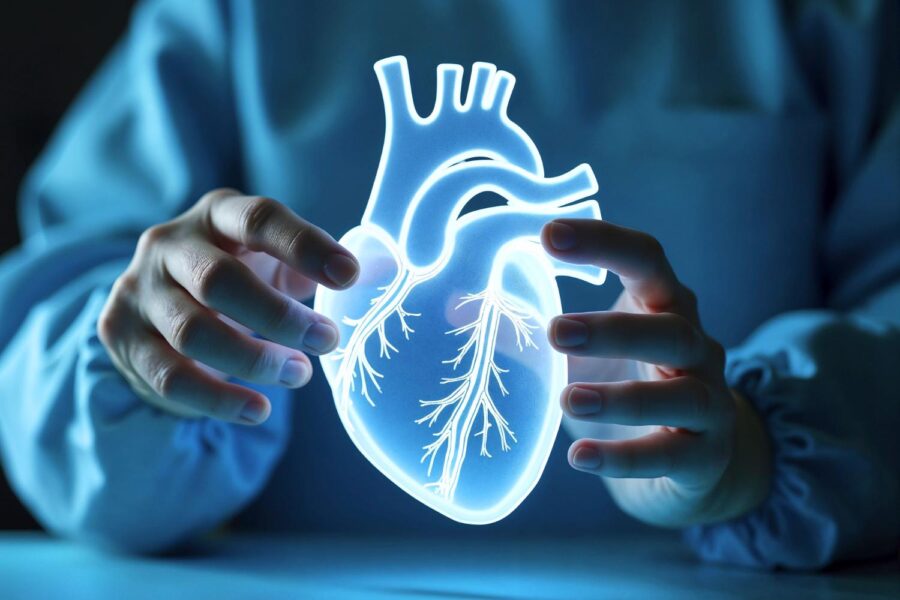
China is making new strides in the fight against aging
While the fight against aging remains the preserve of tech billionaires in the Western world, China is turning the science of longevity into a part of government strategy. Faced with a rapidly aging population, the country is investing heavily in cutting—edge research, from gene therapy to the so-called “islands of immortality,” where new anti-aging technologies are being tested.
Talking about living to be one hundred and fifty years old has ceased to be the domain of science fiction writers and has become a serious scientific and political topic in China. Recently, even Chinese President Xi Jinping discussed with the Russian leader the possibility of extending life to 150 years. These arguments are based not just on ambition, but on a growing demographic problem: China’s population is rapidly aging, and the country is investing billions in turning its elderly citizens into healthy and active centenarians.
It’s not just the American obsession with “eternal youth” that has migrated to Asia. The Chinese authorities see longevity science as a solution to prevent an economic crisis that could occur if a large part of the population becomes disabled. In response to this challenge, new state-owned laboratories and private start-ups have appeared in the country, which are working on the most advanced methods.
One of the most high—profile examples is biotech companies that develop so-called “anti-aging pills.” For example, Lonvi Biosciences, a startup based in Shenzhen, has stated that in the coming years it will be possible to extend human life to 150 years. Their drug is based on a compound extracted from grape seed extract, procyanidin C1 (PCC1).
The principle of action of these drugs is based on the fight against “zombie cells”. These are aging cells that no longer perform their functions, but they do not die, but accumulate in tissues and release harmful substances, triggering inflammation and, in fact, aging. Substances like PCC1 belong to the class of senolytics, drugs capable of destroying these “zombie cells.” In experiments on mice, scientists were able to prolong their lives and improve their health.
In addition to tablets, Chinese researchers are actively working with more sophisticated technologies. Specialized centers are being created in the country, the so-called “islands of immortality”, where experimental methods are being tested. At scientific forums in Shanghai, international experts are discussing new directions: from measuring biological age using the “aging clock” (for example, tracking subtle facial changes) to using artificial intelligence in the search for new drugs.
The science of longevity in China is becoming part of the infrastructure. Researchers study immune aging by observing how T cell populations change with age, which is a sign of weakened immunity. The government actively supports these projects by allocating significant grants to study the molecular mechanisms of aging and create databases of genetic data that include information about centenarians.
Experts agree that Chinese developments look promising. However, they emphasize that there is a long way between a scientific understanding of the aging process and the creation of a safe and effective medicine for humans. Nevertheless, strong government support and concentration of resources allow China to become one of the world leaders in this, perhaps, the most important field of medicine of the future.
Published
November, 2025
Category
Science
Duration of reading
3–4 minutes
Share


Source
Journal The New York Times. Article: «In China, the Dream of Outrunning Time»
Don’t miss the most important science and health updates!
Subscribe to our newsletter and get the most important news straight to your inbox