Cells store hidden clues about age and diseases
Scientists from Yale University have presented a method that is able to see in ordinary tissue samples what was previously hidden — signs of biological age, genetic features and early hints of the disease. All this without additional equipment: just a microscope, machine learning, and fine image manipulation.
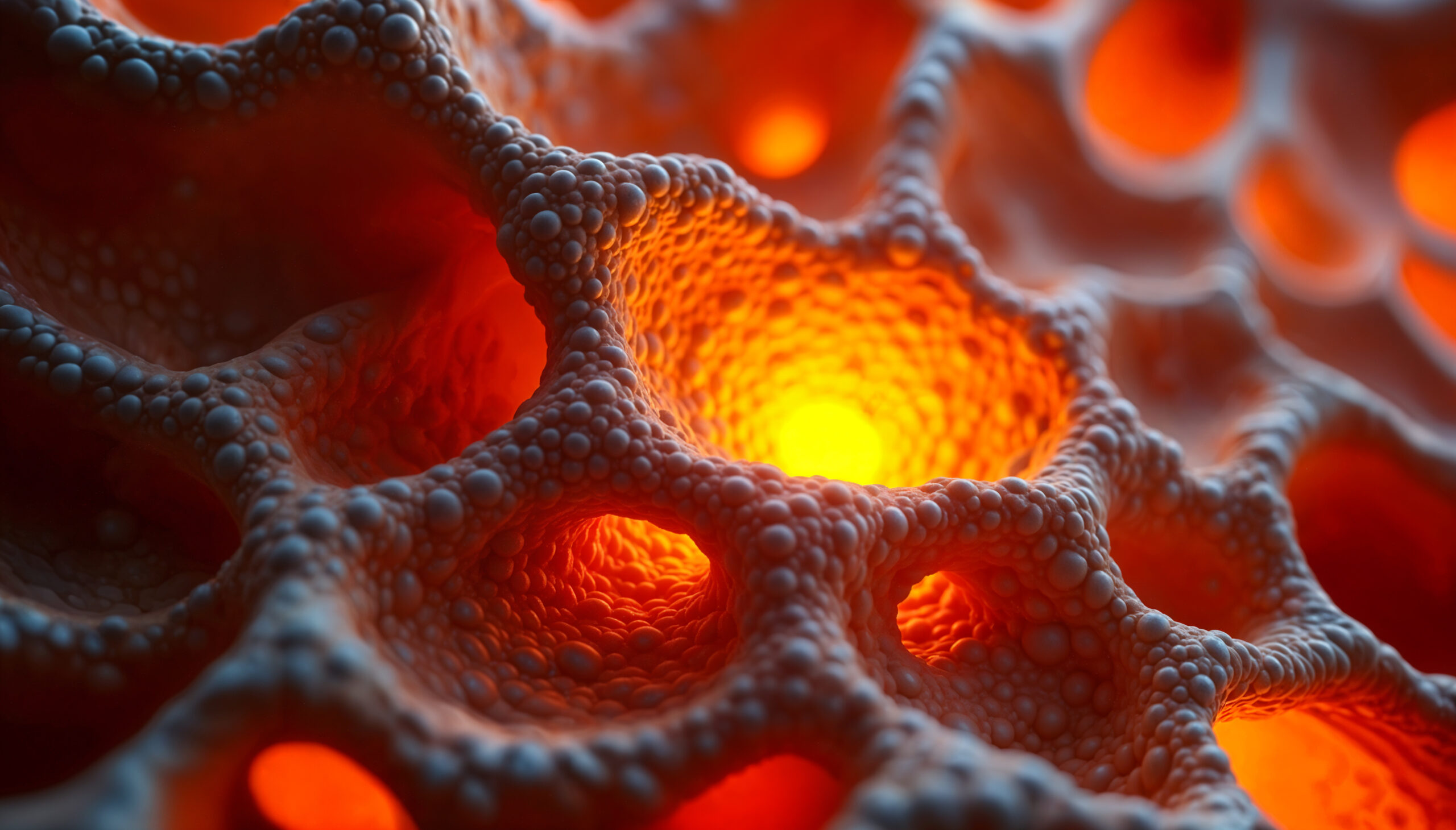
The researchers have shown that the cells carry much more information than can be seen from a standard viewing of the slices. The patterns associated with gene activity and age-related changes are encoded in the tissues, and the new model was able to read them. This opens up huge opportunities for both science and medicine, from diagnosis to predicting disease risks.
The team used thousands of images, genetic data, and RNA information from hundreds of volunteers. Machine learning has made it possible to link the appearance of cellular structures with the processes taking place inside the body. Cell nuclei turned out to be particularly informative — their shape, size, and organization. They were the ones who carried key clues about how genes work and what changes have already begun with age.
Some of the fabrics turned out to be particularly interesting. The skin, blood vessels, nerves, and reproductive organs reflect biological age more accurately than others, because age-related changes are more noticeable in them. The lungs, heart, and testicular tissues allowed the most accurate prediction of gene activity — such samples provided the most striking signals for the model.
The authors note that conventional histological imaging, a standard method used in hospitals around the world, can become an even more useful tool if new analysis technologies are applied. This can help identify abnormalities earlier, recognize hidden risks, and create new approaches to diagnosing aging-related diseases.
Published
November, 2025
Category
Science
Duration of reading
1–2 minutes
Share


Source
Scientific Journal Proceedings of the National Academy of Sciences. Article: «Machine-learning models based on histological images from healthy donors identify imageQTLs and predict chronological age»
Don’t miss the most important science and health updates!
Subscribe to our newsletter and get the most important news straight to your inbox