Cells slow down aging in primates and rejuvenate organs
We used to think that aging is inevitable, and it is impossible to restore youth. But recently, scientists have taken a step that could change the perception of age. They have created unique cells that can protect the body from wear and help it recover. Such unique human stem cells are resistant to aging, and they were tested on macaques with a physiological age of 60-70 years. Long-term treatment has helped restore brain function, improve the condition of the reproductive system, and reduce damage to multiple tissues. An important part of the effect turned out to be the exosomes secreted by these cells — they restored genetic stability without signs of disease or tumors.
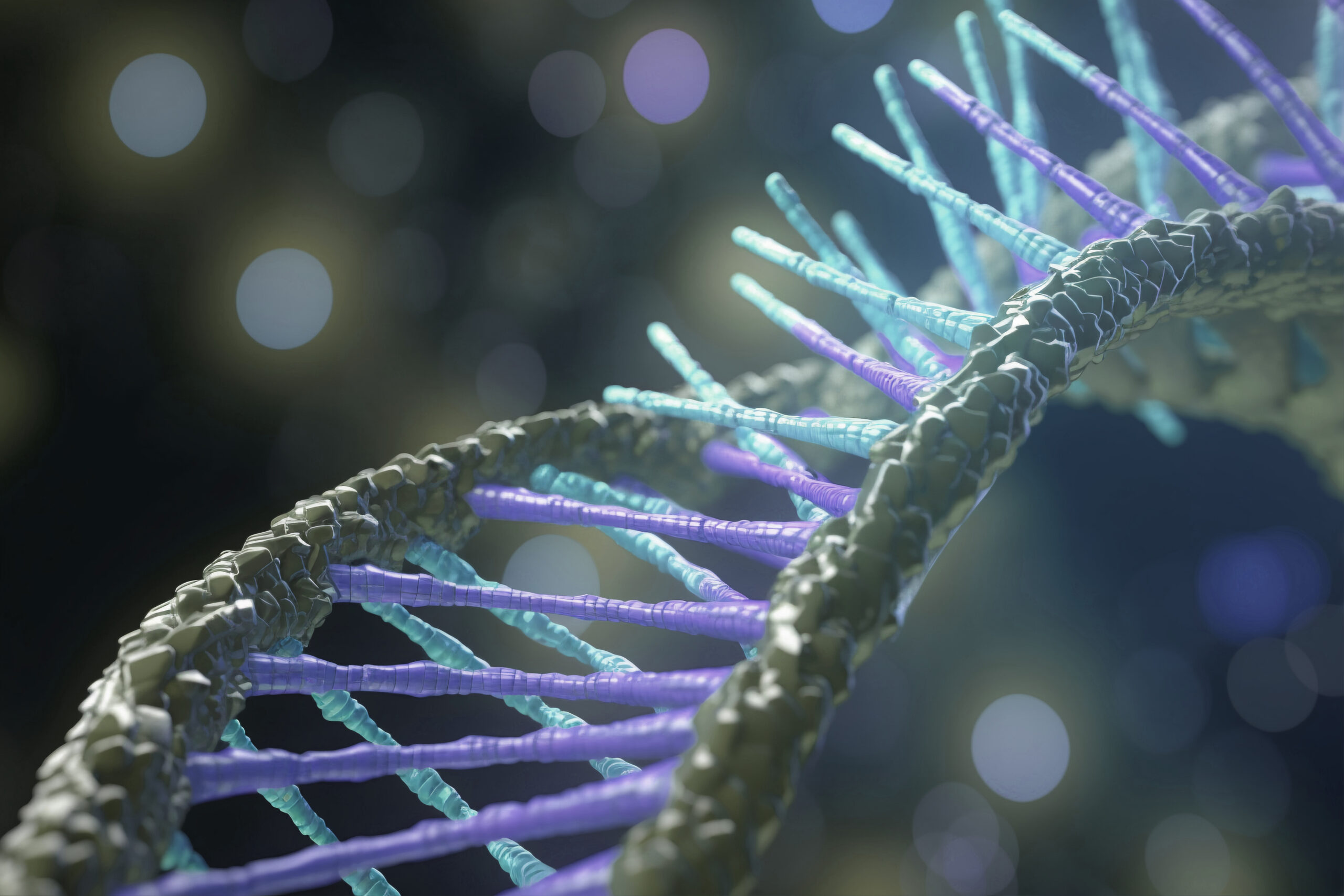
Aging has long been perceived as a process in which the body gradually loses its ability to repair itself. The cells responsible for tissue renewal, the so—called stem and progenitor cells, suffer the most. They can be thought of as the body’s reserve fund: while they are working, the body can recover from stress and damage. But with age, this reserve runs out.
In the new experiment, the scientists used a special type of cell, mesenchymal precursors. These are cells that are found in the bone marrow and can transform into different tissues: bones, cartilage, muscles, and connective membranes. In fact, they are the building material of the body. For the experiment, they were specially enhanced at the genetic level: the FOXO3 gene, which is associated with longevity and stress resistance, was activated. Due to this, the cells became less susceptible to destruction and inflammation.
Elderly macaques were selected as experimental subjects — their condition approximately corresponds to 60-70 years in humans. For almost a year, the animals were regularly injected with these rejuvenated cells through their veins, and at the same time, their health and body changes were closely monitored.
The results were impressive. The process of tissue destruction slowed down, inflammation decreased, memory and attention improved, and the brain began to work more actively. Moreover, positive changes were observed in a wide variety of systems: reproductive, bone, muscle, and skin. Even at the gene level, changes were noticed — the work of DNA and special tags responsible for turning genes on or off took on a younger appearance.
Special attention was paid to security. In such experiments, there is always a risk of tumor formation or immune system failures. However, nothing like this happened here. On the contrary, the animals’ health improved without dangerous side effects. This is what makes the method particularly promising.
Scientists have also found that cells act not only directly. They secrete exosomes, tiny bubbles filled with signaling molecules. These messengers carry commands for recovery throughout the body, strengthen DNA defenses, and remove the molecular signs of aging in various tissues.
For the first time, it has been shown that aging can be slowed down not point-by-point, but in many organs and systems at once. Of course, there is still a long way to go for human testing and testing. But the very idea that age-related changes can be pushed aside and organs can be given, in fact, a second youth, is no longer fiction and is becoming a scientific reality.
Published
September, 2025
Category
Science
Duration of reading
3—4 minutes
Share


Don’t miss the most important science and health updates!
Subscribe to our newsletter and get the most important news straight to your inbox