Cranberry juice turned out to be beneficial for teeth
The medicinal properties of cranberry are well known, and its juice is often used to prevent urinary tract infections. The secret lies in the anti‑inflammatory compounds contained in the berries — proanthocyanidins — which detach bacteria such as E. coli from cells. Researcher Christine Wu became interested in how the same proanthocyanidins affect dental plaque bacteria — the very ones that convert sugars into acids that destroy enamel. She decided to test the effect using a more realistic example: pure cranberry juice. “Just as the harm caused by sugar is linked to diet, so food and drinks can help fight harmful bacteria and strengthen oral health,” she explains.
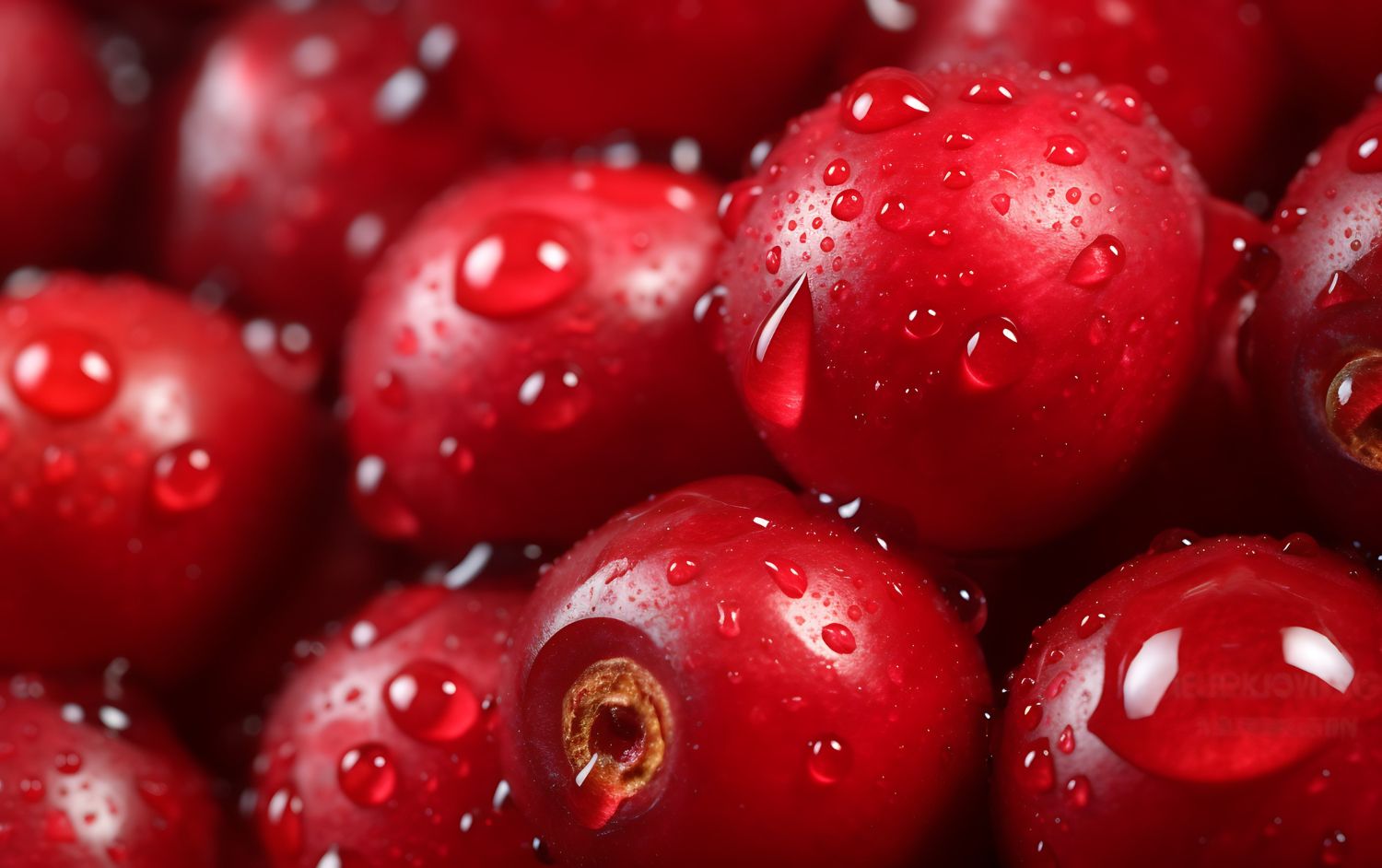
The study involved 14 children and 8 adults. They were randomly divided into three groups: some drank unsweetened 100% cranberry juice, others drank a cranberry “cocktail” with added sugar (27% juice), and the third group drank water. Christine Wu emphasizes that it was crucial for her to conduct tests on humans and with products that are sold in stores: most previous studies used laboratory‑grade cranberry extracts, and there were very few studies involving children.
The experiment was simple. In the morning, the participants arrived with plaque accumulated overnight, scientists collected plaque samples from one side of their mouths with a cotton swab, then the participants rinsed their mouths with water and drank their drink in three small sips, rinsing their mouths before swallowing. Half an hour later, plaque samples were collected from the other side of the teeth and compared “before” and “after.”
Plaque treated with pure cranberry juice grew noticeably slower than unprocessed. Rinsing with this juice was accompanied by less acid production, a key factor in enamel destruction, both in adults and in children. Wu hopes that cranberry juice will one day be recognized as a “functional drink” for dental health, especially since other popular juices—orange or apple—have not been suitable for this role. “Many people think that cranberry juice is sour, astringent, and sugary, and therefore harmful to teeth,” she says. “The study showed the opposite: it affects the re‑growth of plaque and acid production and can partially offset the harm caused by sugar.”
At the same time, the author is cautious, as the sample size is small and the observation period is short, so additional experiments will be needed. For now, Wu is ready to recommend pure cranberry juice only as a temporary mouthwash, and even then, perhaps with a suitable sweetener to make it slightly more palatable.
Published
October, 2026
Updated
Category
Medicine
Duration of reading
2-3 min
Share


Source
Scientific journal Scientific Reports. Article: In vivo exposure to cranberry juice suppresses dental plaque regrowth and acid production in adults and children: a PGRM study
Global health science — in clear language
We select and translate the best international publications. Read 3 key materials about longevity every week!