The leaves of the bidara tree are the most powerful natural antiseptic
A study conducted in Malaysia revealed that methanol extracts obtained from the leaves of the tropical tree Ziziphus mauritiana (Bidara) have more pronounced antibacterial and antifungal activity compared to extracts obtained from other parts of this plant. The results, published in the journal Scientific Reports, indicate a significant pharmacological potential of Bidara leaves.
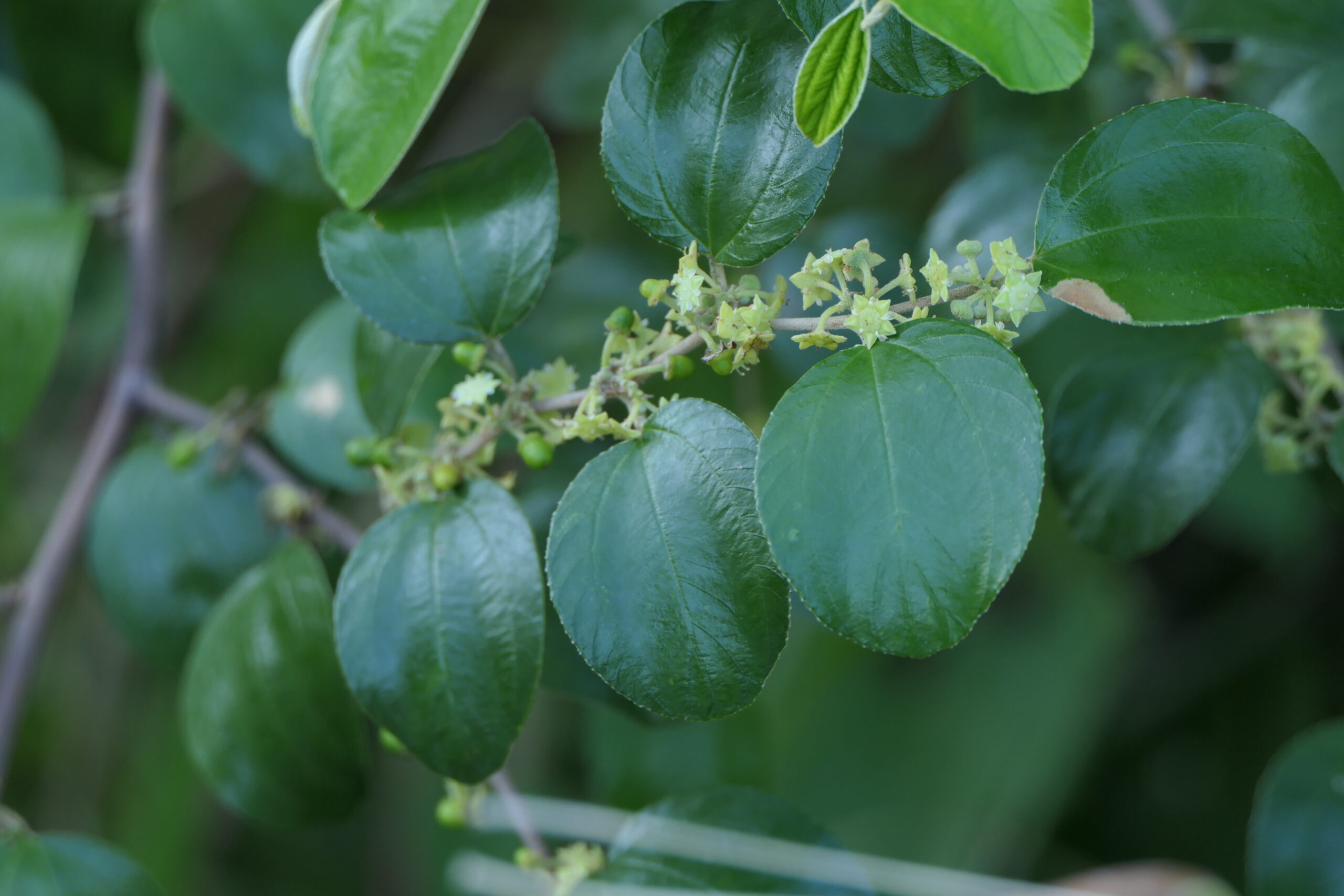
Recently, a group of scientists from Malaysia focused their attention on studying the antimicrobial potential of various parts of the tropical fruit tree Ziziphus mauritiana, known as Bidara. The tree, which can grow up to 15 meters, is traditionally used in folk medicine, and its fruits, Indian jujube, are valued for their nutritional properties. Various parts of the plant, especially the leaves, have previously demonstrated a wide range of biological activity, including antioxidant and immunomodulatory properties.
As part of this study, the experts collected samples of the leaves, bark, roots, fruits and stems of the plant. Crude methanol extracts were obtained from each part using the maceration method. The technique allowed us to identify key bioactive compounds for further testing of their effectiveness against common pathogens, such as Escherichia coli and the phytopathogenic fungus Fusarium solani.
The antimicrobial effect was tested using the disco diffusion method. Discs soaked in extracts were placed on Petri dishes seeded with microorganisms, and then the growth suppression zones were measured. The antibiotic streptomycin and pure methanol were used as controls.
The data obtained clearly showed that the extracts isolated from the leaves of Bidara have the most pronounced antimicrobial activity among all the tested parts of the plant. The E. coli growth suppression zone for the leaf extract was higher than that of the bark, stem, roots, or fruit extracts. Similar results were observed for the fungus F. solani, where the activity of the leaf extract was also maximal. The obtained values confirmed that the leaves and roots have the lowest concentration necessary to destroy or inhibit the growth of microorganisms.
The final conclusion of the study confirms the antimicrobial potential of Z. mauritiana, with the obvious leadership of leaf extracts. It is emphasized that these results are based on in vitro experiments and require further development. The prospects for future work include the isolation and identification of specific active compounds, an assessment of their safety, and an expansion of the range of microorganisms studied to confirm their clinical significance.
Published
October, 2025
Category
Medicine
Duration of reading
3–4 minutes
Share


Source
Scientific Journal Scientific Reports. Article: «Exploring the antimicrobial potential from various parts of Ziziphus mauritiana Lam»
Don’t miss the most important science and health updates!
Subscribe to our newsletter and get the most important news straight to your inbox