Almonds protect cells
Fresh data from the scientific journal Scientific Reports will delight nut lovers. If you eat more than 60 grams of almonds per day, you can reduce DNA damage and support the body’s natural antioxidant mechanisms. The habit of snacking on almonds in large doses can protect cells from oxidative stress, a process in which aggressive molecules accumulate in the body that damage lipids, proteins, and even DNA. But it’s not just the quantity that matters, but also how the nuts are prepared for consumption.
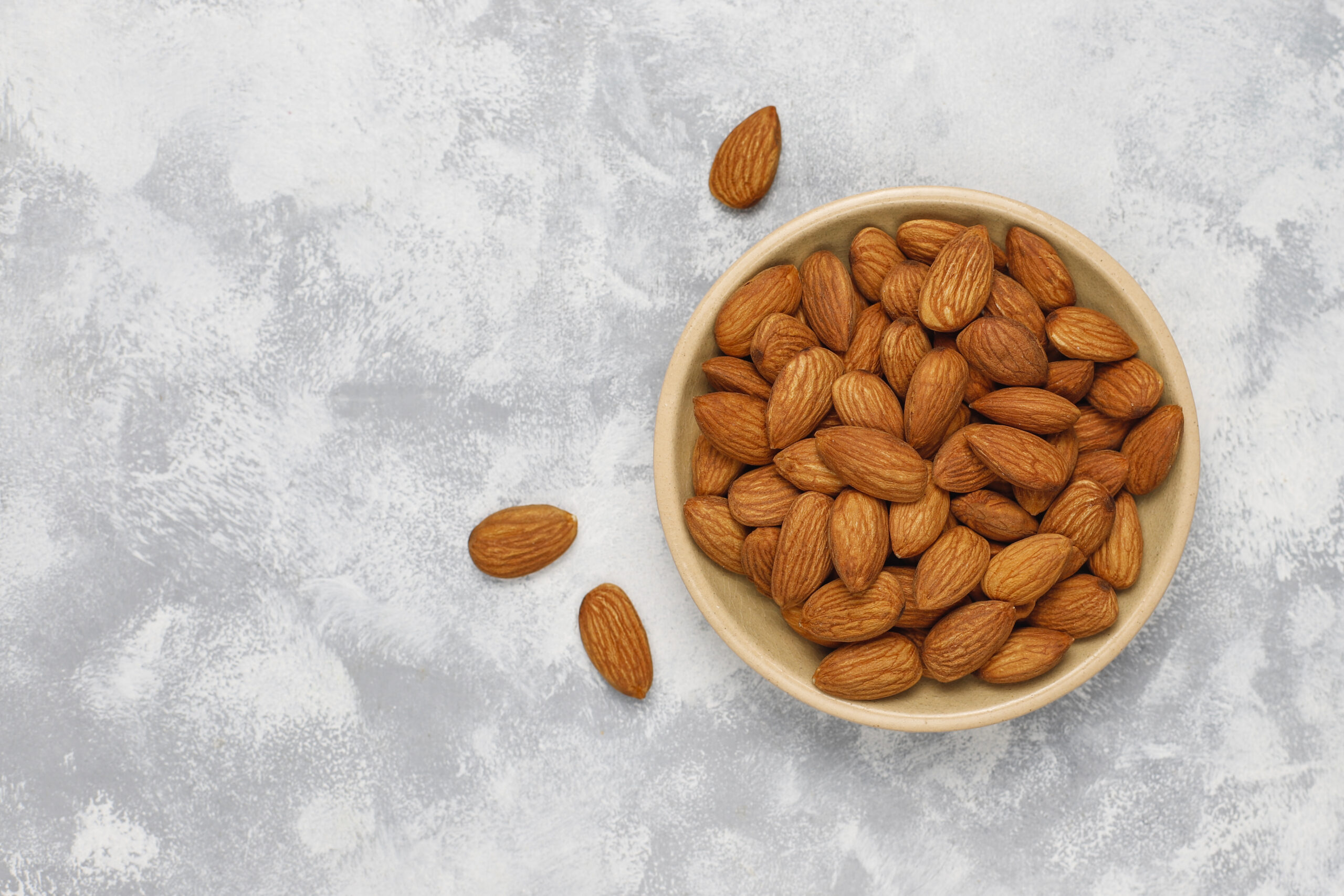
Researchers say that almonds can not only saturate, but also help cells cope with aggressive molecules that eventually wear out the body.
These molecules — the so—called free radicals – are formed all the time. They damage lipids, proteins, and even DNA. If there are too many harmful compounds and there are not enough protective forces, oxidative stress develops. This condition is associated with premature aging, cardiovascular diseases, diabetes, and other chronic problems.
To understand whether almonds can help, scientists collected and analyzed data from eight clinical trials. 424 people participated in them: someone was absolutely healthy, someone had bad habits, and someone suffered from chronic diseases.
The results were interesting. Small doses of nuts did not have much effect, but from 60 grams per day the situation changed. Markers of cell and DNA damage decreased in the body, and the activity of some protective enzymes increased.
There is also an important detail — the cooking method. When roasting almonds, some of the nutrients are destroyed, and when blanching, the antioxidants from the peel are almost completely lost. The conclusion is self-evident: if you want maximum benefits, choose raw and unpeeled almonds.
In addition to its direct effect on cells, almonds indirectly help through the intestines. Its fiber feeds beneficial bacteria that produce substances that reduce inflammation and general oxidative stress in the body.
Experts also noticed a decrease in uric acid levels in those who regularly ate large portions of almonds. This result may be due to the fact that nuts block the activity of an enzyme that produces both uric acid and free radicals.
Nevertheless, the authors emphasize that it is too early to call almonds a panacea. The effect was different in different studies, and even such small things as the type of nut or the diet of the participants influenced the result.
Therefore, the next step is to conduct large and uniform studies to understand which form, dose and duration of administration give the maximum result. But it’s already clear: a couple of handfuls of whole almonds a day is not just delicious, but also good for cell health.
Published
August, 2025
Category
Medicine
Duration of reading
3—4 minutes
Share


Don’t miss the most important science and health updates!
Subscribe to our newsletter and get the most important news straight to your inbox