The brain perceives its own speech and the other person’s speech differently
Why do we understand each other so quickly in dialogue? What happens in the brain when we talk—or listen? Researchers from Osaka University and the National Institute of Information and Communication Technology conducted a unique experiment: they recorded eight people talking to each other spontaneously, and at the same time monitored their brain activity using functional MRI. For the first time, they combined neuroimaging with the language model underlying ChatGPT.
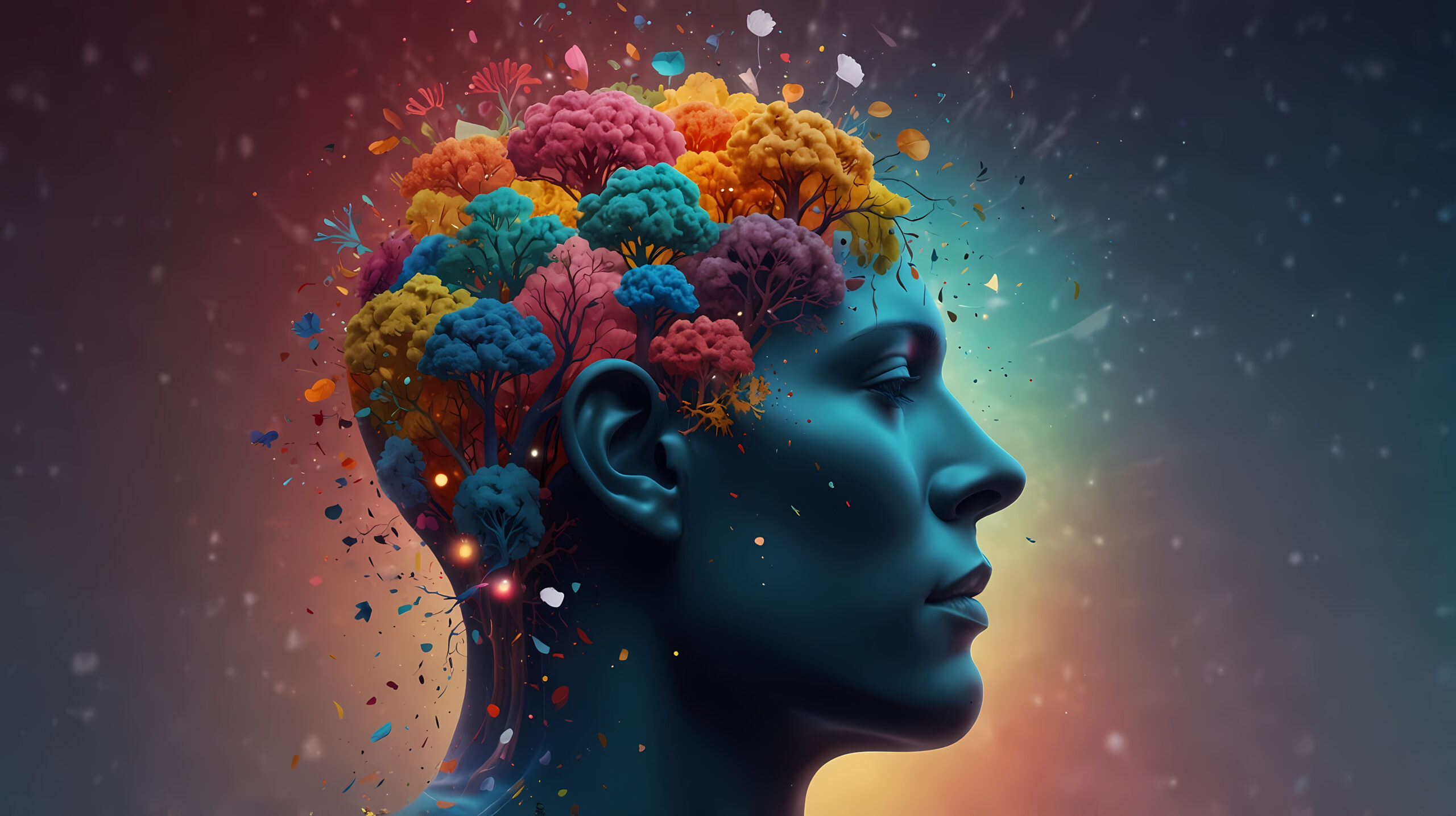
To look deeper, we needed an assistant — a large language model (the one that makes ChatGPT so smart). The experts translated each fragment of the participants’ speech into numerical codes — vectors describing the meaning and structure of what was said. These codes allowed us to track how the brain reacts to different levels of conversation — from individual words to whole sentences and topics.
The most interesting thing turned out to be how the brain distinguishes between its own speech and someone else’s. When a person speaks by himself, his brain collects phrases in a completely different way than when he listens. These processes occur in different parts of the brain, and it is this difference that makes live communication so flexible and subtle.
“We were struck by how differently the brain perceives ‘I’m talking’ and ‘I’m listening,'” the study authors explain. – “Artificial intelligence has helped us see this.”
The research not only helps to better understand how our speech works, but it can also become the basis for new technologies, from brain—computer interfaces to more human-like voice assistants. And most importantly, it makes it possible to look at familiar conversations as a real miracle of neural architecture.
What’s next? Research centers want to study how the brain chooses words and makes speech decisions in real time. After all, each of our statements is a lightning—fast choice from an infinite number of options. Now we have the tools to finally decipher this choice.
Published
July, 2025
Duration of reading
1-2 minutes
Category
New technologies
Share


Don’t miss the most important science and health updates!
Subscribe to our newsletter and get the most important news straight to your inbox