The brain triggers an immune response even with the threat of infection
A study recently published in Nature Neuroscience has shown that the perception of the threat of infection — even if it is virtual and not accompanied by actual infection — can activate a real immune response in the human body. This discovery indicates the existence of a previously unproven mechanism of interaction between the brain and the immune system, when danger signals alone are enough to prepare the body to fight the disease.
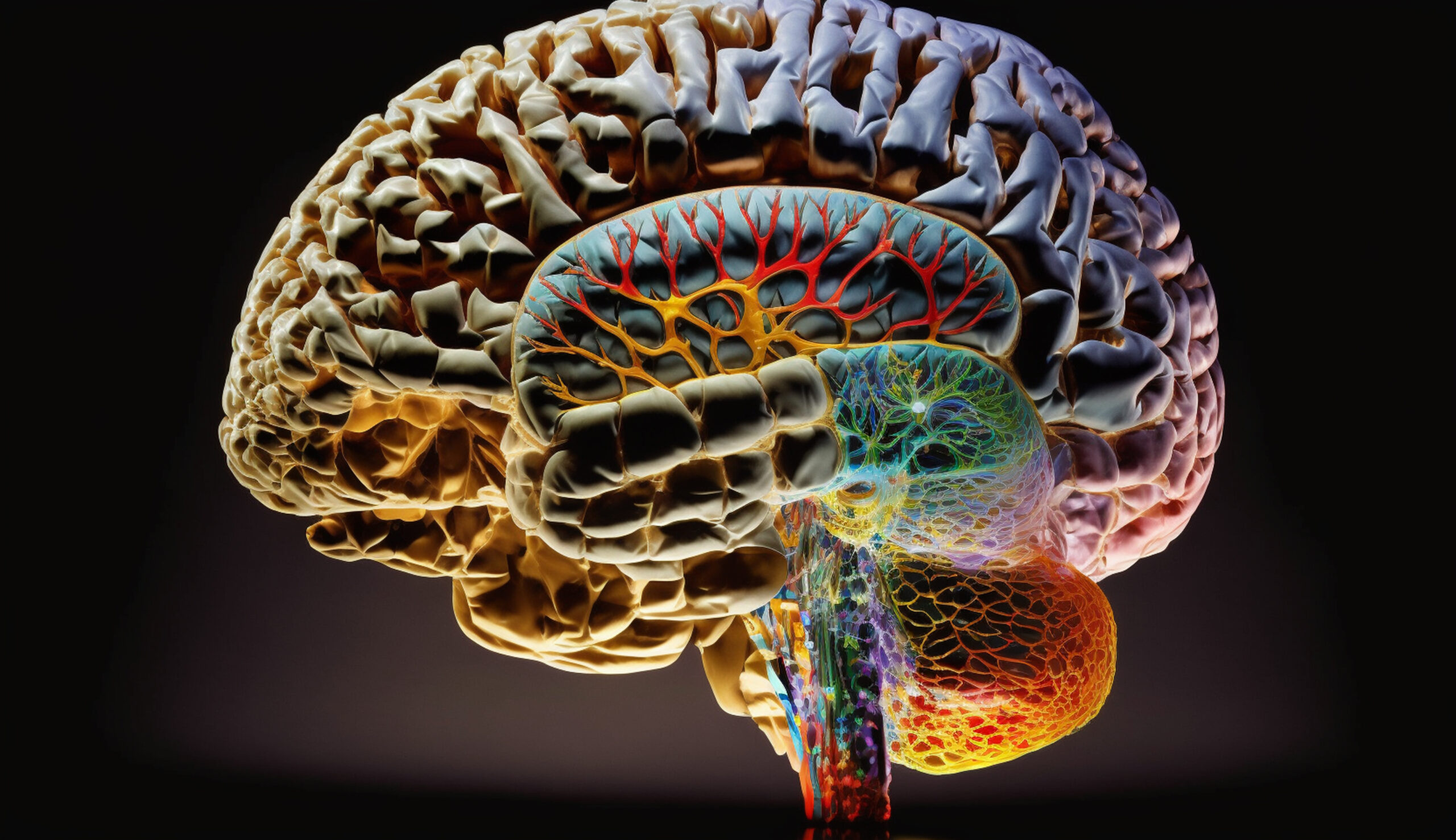
A group of researchers used virtual reality (VR) to test whether the brain is able to trigger an immune response to a “virtual” infection — that is, when a person sees an image of a potentially contagious person in VR, but does not come into contact with a real pathogen. It turned out that yes: when perceiving the threat of infection, the brain regions responsible for rapid assessment of danger are activated, and the immune response begins, long before the possible penetration of the microbe into the body.
The participants in the experiment first interacted with neutral virtual avatars. Later, they were divided into groups, each of which faced one of three types of avatars: neutral, fear-provoking, or clearly sick (with signs of infection). The infected avatar turned out to be the most important one — its approach to a person’s face in VR space activated the areas of the brain responsible for perceiving threats in personal space (the so-called peripersonal zone), and triggered an immune reaction.
At the same time, the level of anxiety and sensitivity to disgust were taken into account and balanced in advance for all participants in order to exclude the influence of these factors on the results.
The brain reacted to the approach of the contagious avatar even when it was still at a distance, which proves the presence of an anticipation of the threat. This reaction was not observed when interacting with simply frightening avatars, which indicates the specificity of the perception of an infectious threat.
The so-called salience network, a system responsible for recognizing and filtering the most significant stimuli, was activated in the brain. This network, as it turned out, is directly connected to the hypothalamus, which controls the hormonal response of the body through the hypothalamus–pituitary–adrenal axis (HPA axis).
This neuroimmune pathway led to the activation of innate lymphoid cells (ILCs), which was confirmed by a decrease in their number in the blood (which indicates their migration into tissues). The activity level of these cells was directly correlated with the level of HPA-axis hormones and inversely with the level of neuroinflammatory markers.
The data obtained suggest that the body is able to anticipate infection even before actual contact with the pathogen, relying solely on the perception of an external threat. The brain plays the role of a “smoke detector” here, including protective mechanisms in case of possible danger — even if there is no “smoke” in reality. Such hypersensitivity can be useful from an evolutionary point of view: it is better to make a mistake and prepare for a false alarm than to miss the real threat.
The study opens up a new direction in the study of the interaction of perception, cognitive processes and immune defense. Now scientists are faced with the task of testing how universal these effects are: whether they work in people of different ages, whether they react equally to moving and static images, and how long the immune response persists after a virtual stimulus.
It also opens up the potential for new ways to train the immune system — for example, in the treatment of immunodeficiency or in rehabilitation. Perhaps one day there will be VR programs that can gently activate the immune system without the introduction of vaccines or drugs.
Published
August, 2025
Category
Science
Duration of reading
3—4 minutes
Share


Don’t miss the most important science and health updates!
Subscribe to our newsletter and get the most important news straight to your inbox