Undercooked potatoes lower blood sugar levels
Replacing a third of the rice in a serving with hard-cooked potatoes reduces postprandial glucose and insulin release in healthy young women, according to a new study. The key factor was not so much the chewing of harder food, but the chemical composition of the potatoes: with minimal heat treatment, they retain more resistant starch, which is slower to break down and releases less glucose into the bloodstream. The effect was pronounced during the first meal, but it did not carry over to the second meal, and the study was conducted on a limited sample of 20 participants, leaving the question of the applicability of the results to other populations open.
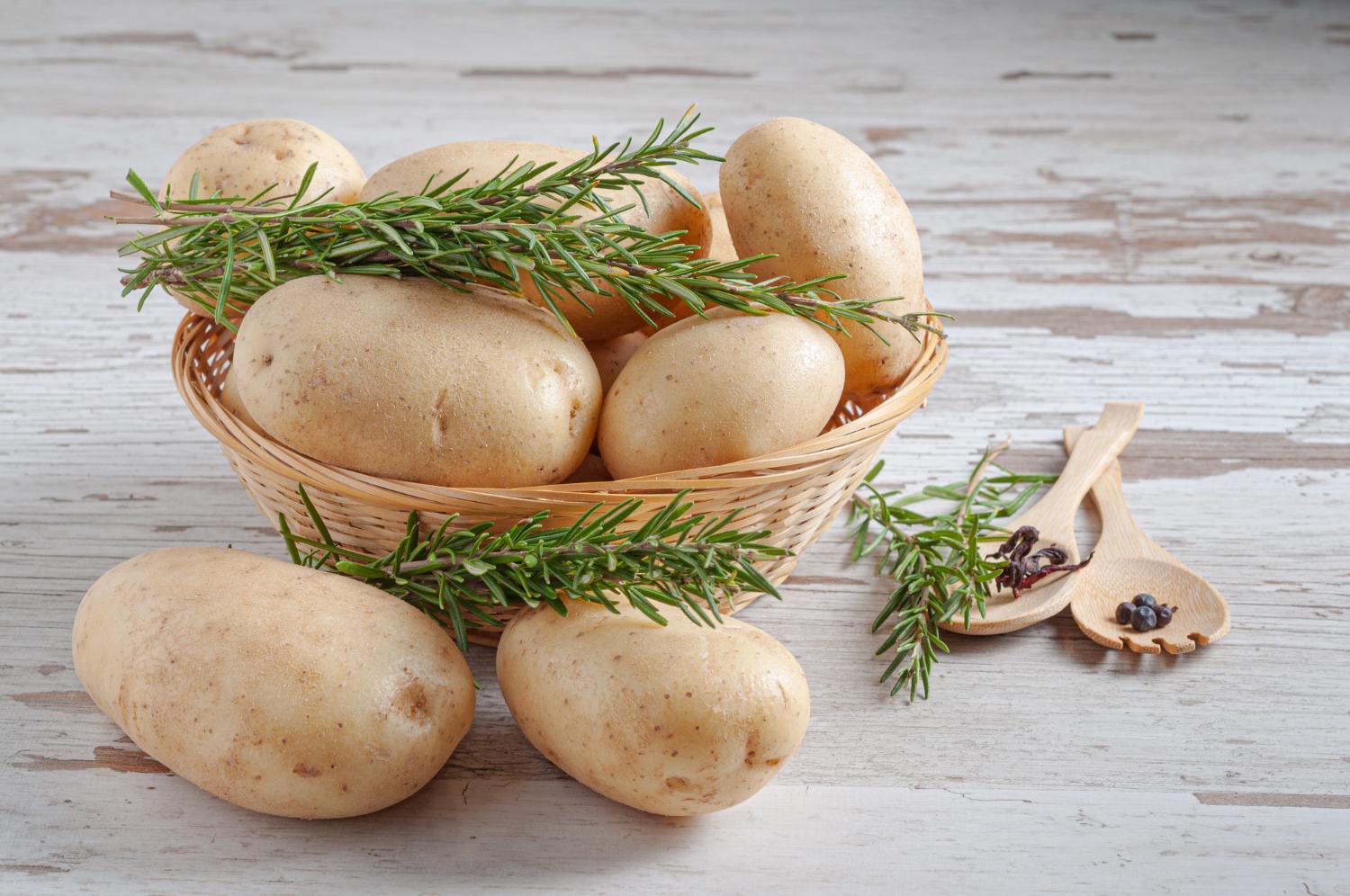
The global diabetes epidemic is on the rise, with an estimated 783 million people diagnosed by 2045. As carbohydrates remain the primary factor in determining blood sugar levels after meals, the choice of cooking methods for starchy foods has become a practical tool for glycemic control, particularly in Asian and other regions where rice and potatoes form the backbone of the diet.
Potatoes themselves hold a controversial position in nutrition. On one hand, they are an accessible source of potassium, fiber, vitamin C, and antioxidants. On the other hand, epidemiological data on its association with type 2 diabetes and gestational diabetes are conflicting, and the reason for these discrepancies appears to be the cooking method. The glycemic index of hard potatoes fried in a wok is around 56, while it rises to 83 for soft potatoes.
A team of researchers decided to test how replacing part of the rice with potatoes of different degrees of doneness would affect glucose and insulin levels after a meal. To do this, they conducted a randomized cross-sectional trial involving healthy female students between the ages of 18 and 27 with a normal body mass index. Each participant randomly went through three lunch options: pure rice (90 grams raw), rice with hard-boiled potatoes, and rice with softly cooked potatoes. In the last two versions, potatoes replaced a third of the available carbohydrates from rice.
Laboratory analysis confirmed that the cooking method radically changes the starch profile of potatoes. The soft-cooked samples contained the highest amount of rapidly digestible starch, while the hard-cooked samples contained the highest amount of resistant starch and lost less phenolic compounds: 38% of the initial level compared to 55% for the soft-cooked samples.
Twenty participants completed all three branches of the trial without any side effects. Both potato-based options reduced postprandial glucose (blood glucose levels 2 hours after a meal) compared to plain rice, but the hard-cooked potato option produced a more pronounced and consistent result. After eating this dish, blood glucose levels fluctuated less, and insulin levels remained lower for two hours. This was the only option that improved insulin sensitivity compared to the rice control.
The researchers found a correlation between longer chewing of hard potatoes and a lower glycemic response, but they emphasized that it was too early to establish a causal relationship. It is likely that the starch content of the food played a significant role, rather than the speed at which it was consumed.
The so-called “second meal effect” did not materialize. The hard potatoes did not provide a statistically significant advantage at the dinner that followed a few hours later. The authors believe that the fermentation of resistant starch in the intestines to produce short-chain fatty acids, which could theoretically prolong the glycemic benefit, requires more time, although this process was not directly measured in the study. Over a total observation period of 540 minutes, the hard potato dish reduced the overall glucose exposure compared to the control, while the soft potato did not have this effect.
Curiously, neither hunger, subjective desire to eat, nor satiety differed between the three options, meaning that the glycemic benefits of hard potatoes worked independently of appetite.
It is important to remember that young, healthy, and normal-weight women represent a narrow slice of the population, and a single-meal acute experiment does not provide sufficient evidence to assess the long-term effects of this dietary strategy. However, the researchers plan to increase the sample size and observe the responses of different individuals.
Published
March, 2026
Category
Medicine
Duration of reading
4-5 minutes
Share


Source
Scientific Journal Nutrients. Article: Minimally Cooked Potato Improved Glycemic Response Across Two Meals and Insulin Sensitivity of Rice–Potato Mixed Meals: A Randomized Controlled Acute Trial
Don’t miss the most important science and health updates!
Subscribe to our newsletter and get the most important news straight to your inbox