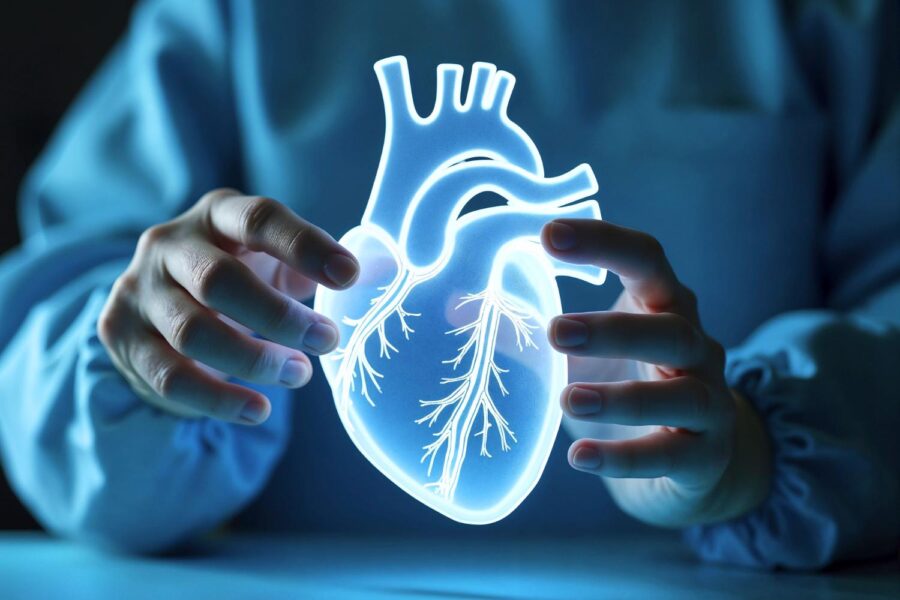
New cholesterol pill reduces the risk of heart attack and stroke
An international study led by Australian scientists has proven: the drug Obicetrapib effectively reduces “bad” cholesterol and hard-to-treat lipoprotein(a). This discovery could be a breakthrough for patients at high cardiovascular risk.
Scientists from Monash University have presented the results of a large-scale clinical trial of Obicetrapib, a new cholesterol-lowering drug that could be a lifesaver for millions of people at risk of heart attack and stroke.
As the head of the study, Professor Stephen Nicholls, said at the European Congress on Atherosclerosis in Glasgow, the drug has already shown impressive results at the stage of the third phase of clinical trials. Patients who took Obicetrapib once daily in addition to standard therapy had an average 32.6% reduction in LDL-cholesterol (“bad” cholesterol) levels and a 33.5% reduction in lipoprotein(a) levels.
This is especially important because lipoprotein(a) is an inherited risk factor that is almost untreatable. Its accumulation accelerates vascular damage and increases the likelihood of heart attack and stroke. Until now, there have been almost no effective drugs on the market to reduce Lp(a).
The BROADWAY study enrolled more than 2,500 people with cardiovascular disease or genetically determined high cholesterol. Already after 12 weeks, a significant proportion of patients reached the recommended target cholesterol values for the first time.
The drug also showed good tolerability and did not cause serious side effects. According to Prof. Nicholls, this could change the way millions of patients are treated: “Obicetrapib is an effective and convenient treatment that can offer hope to those who have run out of other options.”
In the future, Obicetrapib could become an important addition to cardiovascular disease therapy and close the gap in the treatment of inherited forms of hypercholesterolemia.
Published
May, 2025
Duration of reading
1-2 minutes
Category
Medicine
Share


Don’t miss the most important science and health updates!
Subscribe to our newsletter and get the most important news straight to your inbox