Neural biomarkers of OCD have been discovered
Scientists from the Netherlands Institute of Neuroscience and the Amsterdam Medical Center have discovered for the first time exactly what changes occur in the deep neural networks of the brain during obsessive thoughts and compulsive actions in patients with obsessive-compulsive disorder (OCD). The results of the study, published in the journal Nature Mental Health, suggest the identification of specific brain waves that can be used as biomarkers of OCD — this discovery could radically change the approach to treating the disease.
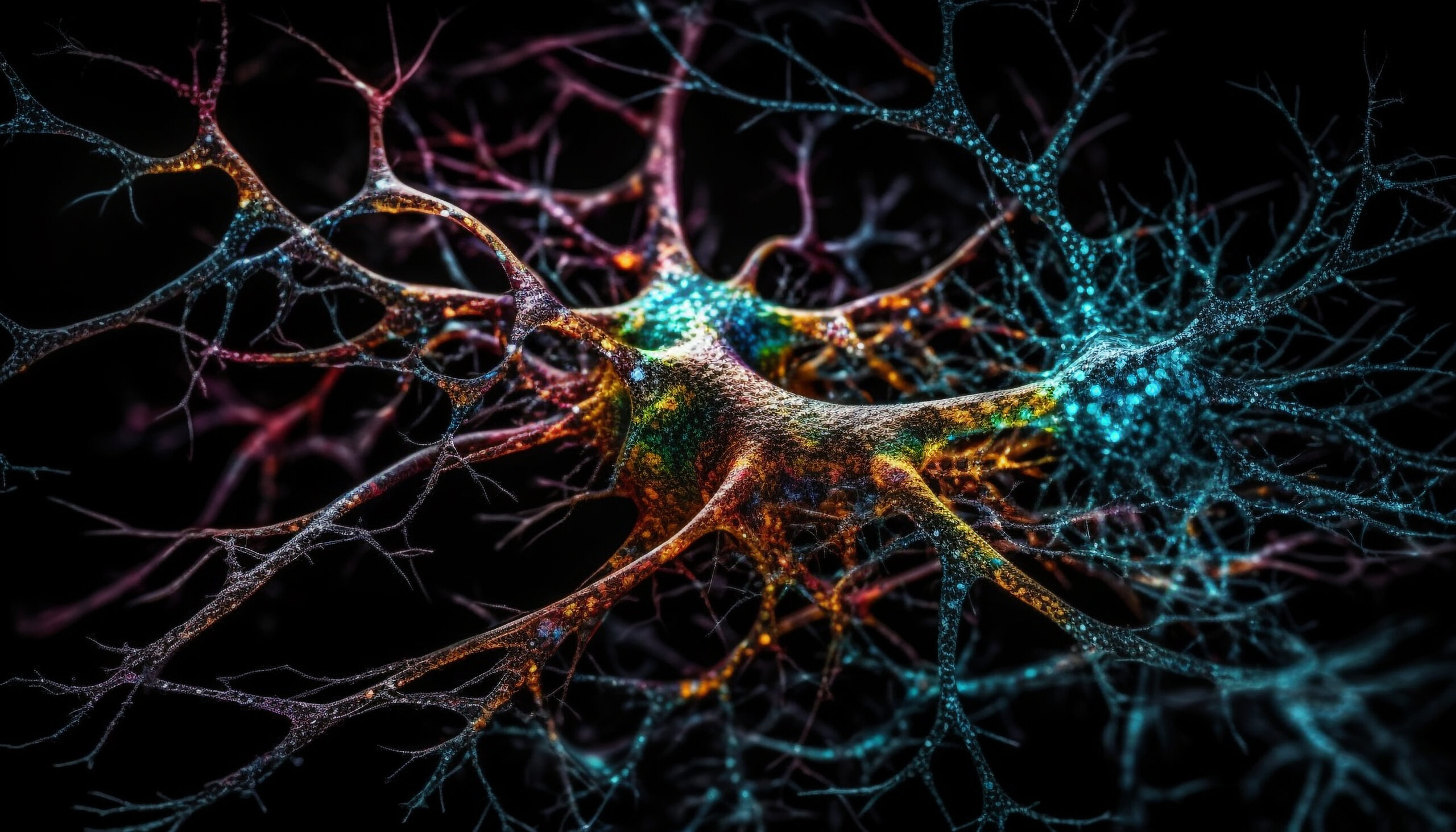
OCD is a severe psychiatric disorder in which a person suffers from obsessive thoughts (obsessions) and is forced to perform repetitive actions (compulsions) to reduce anxiety. For example, if the patient is afraid of infection, he may be constantly afraid of touching objects (obsession) and wash his hands many times (compulsion).
Previous studies have shown that in patients with OCD, the connection between the cerebral cortex, striatum and thalamus is disrupted — these structures together form the so-called CSTK circuit (cortico-striato-thalamo-cortical circuit), which is important for motivation and movement control. However, the exact mechanisms of operation of this circuit in OCD remained unknown.
In some patients with severe OCD, Deep Brain Stimulation (DBS) is used, in which electrodes are implanted in deep areas of the brain. These devices deliver pulses to specific areas of the CSTK circuit, which helps alleviate symptoms. However, in about 30% of patients, the treatment does not have the desired effect. In addition, it can take months to adjust the stimulation, as doctors do not know exactly which signals reflect the pathological condition.
To better understand how the brain works during obsessive thoughts and compulsions, scientists for the first time used these same electrodes not only for stimulation, but also to measure brain activity in real time.
As part of the study, the patients were asked to consciously induce obsessive thoughts and overcome the desire to commit a compulsive act. For example, a patient with OCD, who was afraid of germs, had to touch a dirty floor and not wash his hands for a certain time. At this time, activity in the corresponding areas of the brain was recorded using deeply implanted electrodes.
“For the first time, we were able to measure the activity of neural networks in deep brain regions during specific symptoms with very high spatial and temporal accuracy,” says Tara Arbab, lead author of the study. “It’s not possible to do this with an MRI or an EEG.”
After collecting the data, the researchers analyzed brain waves of different frequencies. It turned out that alpha and delta waves were especially pronounced during the performance of compulsive actions. They became the very “fingerprints” of brain activity that can be used as an objective biomarker of OCD.
“In psychiatry, it is extremely rare to connect a symptom so precisely with a specific neural activity,” Arbab emphasizes. “This opens up the possibility for personalized therapy.”
Currently, the DBS system works as a “constantly on” device — the electrodes continuously supply pulses, regardless of the patient’s condition. But with the discovery of new biomarkers, scientists hope to move to a more intelligent technology: the electrodes will be activated only at those moments when a signal corresponding to compulsive behavior appears in the brain.
“This will avoid over—stimulation and make treatment more accurate and effective,” says Arbab.
The work of Dutch researchers not only brings us closer to understanding the neural nature of OCD, but also demonstrates how modern methods of neurophysiology can change the approach to the treatment of mental disorders. The biomarkers found in this study have the potential to be used in other forms of therapy, including the development of drugs and non-invasive brain treatments.
Published
July, 2025
Category
Science
Duration of reading
4—5 minutes
Share


Don’t miss the most important science and health updates!
Subscribe to our newsletter and get the most important news straight to your inbox