One area of the brain controls disease and regeneration
Scientists have identified a key role for the subventricular area of the brain in nerve cell regeneration, neurodegenerative diseases and tumors. The area is responsible for the formation of new neurons and influences recovery from damage, and could be a target for new treatments for Alzheimer’s, Parkinson’s and glioblastoma.
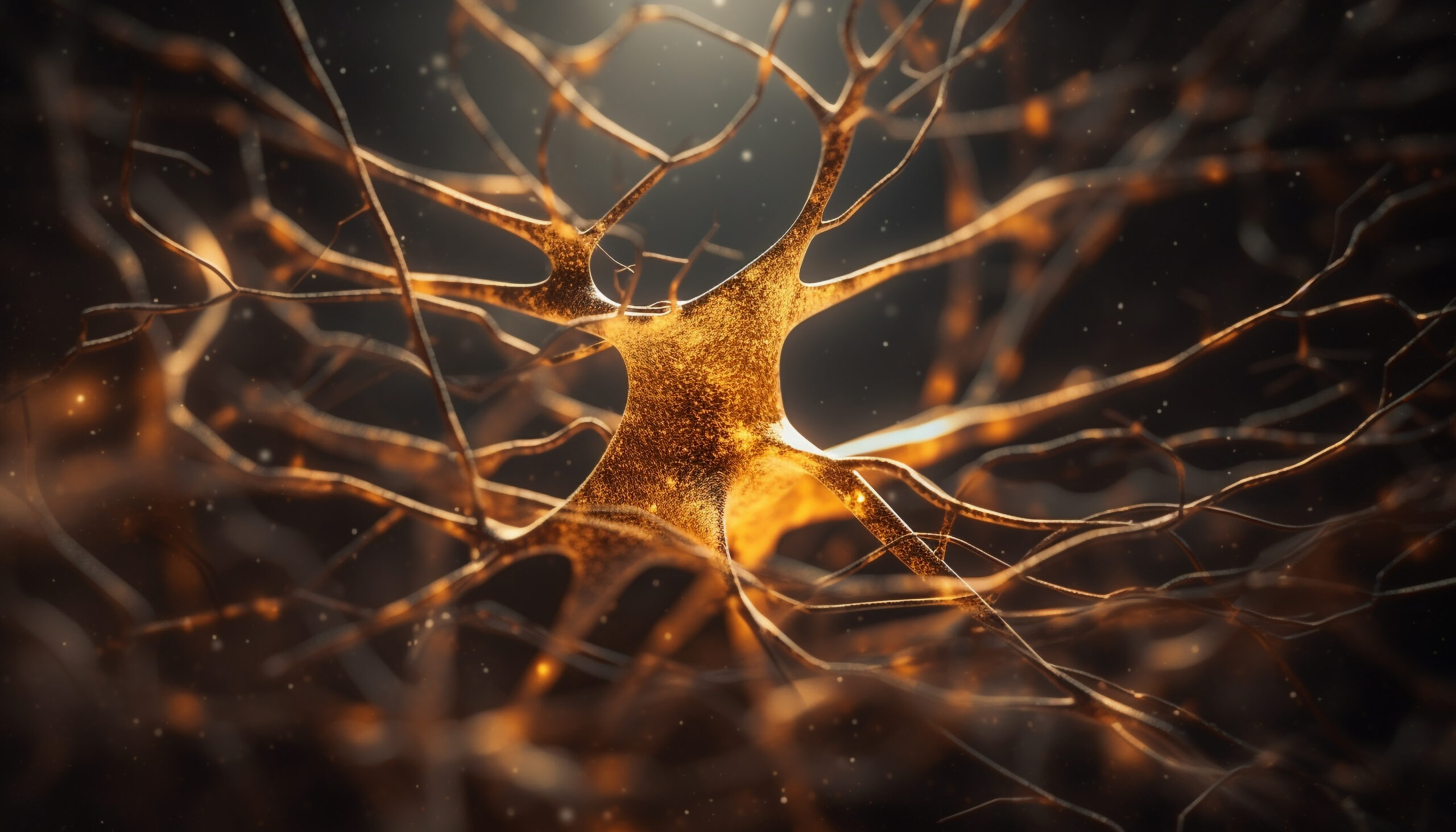
The adult brain has a latent potential for regeneration, and one of the main areas responsible for this process is the subventricular region (SVZ). This is where the stem and precursor neurons are located, capable of creating new cells, maintaining brain plasticity, and even participating in regeneration after injury.
This area of the nervous system functions as a kind of reservoir from which new neurons and glial cells are formed. When the brain is damaged, SVZ cells can move to the affected areas, contributing to their recovery and maintaining neuronal connections. However, in severe diseases, this process appears to be disrupted.
In neurodegenerative diseases such as Alzheimer’s, Parkinson’s and Huntington’s, the brain’s ability to self-repair is markedly reduced. In the former, the accumulation of amyloid plaques and abnormal tau protein suppresses neuronal renewal. In Parkinson’s disease, a lack of dopamine interferes with the full functioning of SVZ cells. And in Huntington’s disease there is increased activity of this zone, but new neurons do not have time to compensate for the loss of dead cells. These findings give hope for the development of therapies aimed at restoring neurogenesis.
The SVZ plays an equally important role in oncology. It is here that glioblastoma, one of the most aggressive brain tumors, often originates. Cells in this region create a favorable environment for the growth and spread of cancer cells, and contribute to their resistance to treatment. Recent studies suggest that blocking specific SVZ mechanisms may help fight this disease by increasing the effectiveness of radiation and chemotherapy.
The prospects for using stem cell and gene therapy techniques related to the subventricular zone look promising. Scientists are considering the possibility of its targeted activation to repair damaged areas of the brain, slow the development of neurodegenerative diseases and fight tumors.
Understanding the mechanisms hidden in this part of the brain could lead to revolutionary changes in neuroscience and open up new ways to treat the most complex diseases of the nervous system.
Published
March, 2025
Duration of reading
2—3 minutes
Category
Science
Share


Don’t miss the most important science and health updates!
Subscribe to our newsletter and get the most important news straight to your inbox