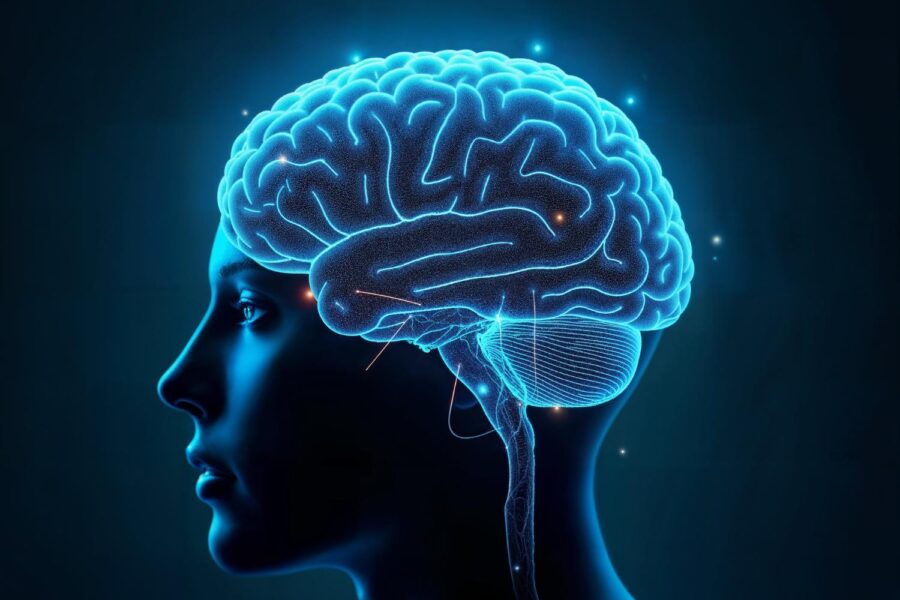
Determining a person’s biological rhythm based on genetic analysis of hair roots
Researchers at the Charité Hospital in Berlin have developed a method for determining a person’s individual chronotype based on hair follicle cells. This technology lays the foundation for circadian medicine, a field of healthcare that aligns diagnosis and treatment with a patient’s internal clock. The study, which involved approximately 4,000 individuals, revealed that biological rhythms are influenced not only by innate factors but also significantly by lifestyle choices.

Biological rhythms regulate not only sleep-wake cycles, but also metabolism and the body’s response to medications. Scientists have discovered that the timing of drug administration, such as in cancer immunotherapy, can significantly impact its effectiveness. This is because the immune system follows a 24-hour cycle that is unique to each individual patient. Previously, determining this cycle required multiple saliva samples to be collected in a laboratory setting for the measurement of melatonin levels, which was a time-consuming process.
The new method significantly simplifies diagnostics by analyzing the activity of 17 specific genes in hair root cells. These genes are part of the body’s molecular clock mechanism or are directly controlled by it. Using machine learning algorithms, the system analyzes the pattern of gene activity and calculates the current phase of the daily rhythm. To obtain an accurate result, it is sufficient to collect a single hair sample, making the procedure accessible for mass use outside the laboratory.
A large-scale analysis has confirmed several patterns related to the age and gender of the subjects. It has been established that people around the age of 25 begin to experience fatigue an average of one hour later than people over the age of 50. It has also been recorded that women experience biological “night” about six minutes earlier than men. Although this gap was smaller than what was shown by sociological survey data, scientists attribute this influence to the effect of sex hormones at the cellular level.
The results of the work revealed an unexpectedly strong influence of lifestyle on biological time. For example, working people have their internal clocks set 30 minutes ahead compared to those who are not employed. This suggests that the body’s molecular mechanisms are more adaptable to social schedules and environmental demands than previously thought. While genetic predisposition remains an important factor, daily life conditions can significantly influence the innate chronotype.
Implementing this test in routine medical practice can help personalize the treatment of various diseases. Knowing the exact rhythm of a patient, doctors will be able to prescribe therapy during the hours when the body is most receptive to drugs and least susceptible to side effects. In the near future, the technology may become the standard for diagnosing sleep disorders and the basis for creating individual recommendations for work and rest.
Published
April, 2026
Category
Science
Duration of reading
3-4 minutes
Share


Source
Scientific Journal Proceedings of the National Academy of Sciences. Article: A noninvasive assay for estimating circadian phase from a single hair sample
Don’t miss the most important science and health updates!
Subscribe to our newsletter and get the most important news straight to your inbox