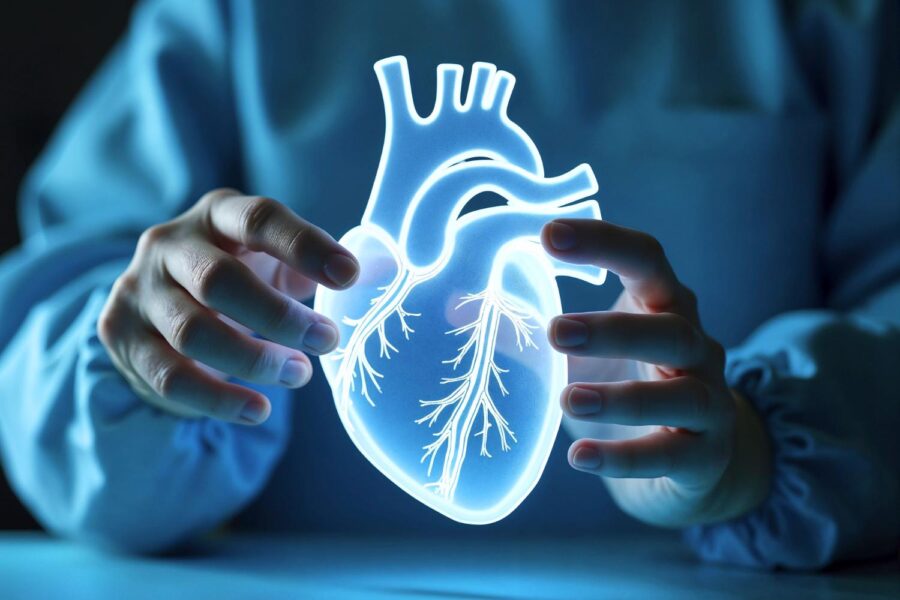
Special proteins interfere with brain function
Accumulations of neurofilaments in the brain can cause serious disorders by interfering with the normal functioning of the nervous system. Specialists from Northwestern Medicine (USA) have understood why this process occurs and how it is associated with serious diseases such as Parkinson’s disease and dementia. The new data will help in the development of methods to combat neurological disorders.
What if crucial brain processes are blocked by a Velcro-like structure? Researchers at Northwestern Medicine have found that neurofilaments, special proteins, play a key role in the development of neurodegenerative diseases. They accumulate in nerve fibers and interfere with normal cell function, leading to impaired cognitive function and motor activity.
Giant axonal neuropathy (GAN) is a rare genetic disorder in which protein buildup builds up in the brain. This leads to gradual loss of motor skills and other severe consequences. A similar mechanism is seen in Parkinson’s disease, dementia and amyotrophic lateral sclerosis (ALS), making the discovery particularly significant.
It was previously known that the cause of neurofilament accumulation was a deficiency of the protein gigaxonin, which is responsible for their destruction. However, the mechanism of this process remained a mystery. Scientists decided to find out whether it was possible to launch an alternative way of utilization of these proteins, which could compensate for the lack of gygaxonin.
Using genetic methods and RNA interference technologies, the researchers studied the brains of mice that lacked gygaxonin. It turned out that under disease conditions, neurofilaments interfere with the movement of organelles, disrupting cellular processes. Lysosomes, responsible for processing waste, lose the necessary enzymes, because of which protein formations are not destroyed, but continue to accumulate.
Additionally, it has been found that the important TFEB protein, which plays a key role in creating healthy lysosomes, gets stuck in neurofilaments and cannot fulfill its function. This has the growing effect of making the brain less and less able to handle protein utilization, which accelerates the progression of the disease. It is because of this that GAN patients’ condition worsens with age.
The findings will help in the study of other diseases associated with neurofilament accumulation. Although in complex cases, such as Alzheimer’s disease, it is difficult to isolate the role of these proteins in the background of other pathologies, the new information makes it possible to focus on a specific mechanism.
The next step will be to develop drugs that can stop this destructive process. Scientists hope that their work will lead to the creation of effective treatments and help people suffering from severe neurological diseases.
Published
March, 2025
Duration of reading
2-3 minutes
Category
Medicine
Share


Don’t miss the most important science and health updates!
Subscribe to our newsletter and get the most important news straight to your inbox