Everyday behavior can predict life expectancy
Aging is often perceived as a gradual and uniform process, but the reality is much more complex. Researchers have created an automated “Truman Show” system, where 81 fish have been monitored by cameras throughout their lives, from adulthood to death. The biologists chose the African turquoise killifish due to its uniquely short life cycle (4 to 8 months), which includes a complex brain structure and biological characteristics similar to those of humans. Scientists at Stanford University, using round-the-clock video surveillance of African fish, have found that individual aging trajectories are formed very early. By studying the characteristics of sleep and movement at a young age, it is possible to predict with high accuracy how long a particular individual will live.
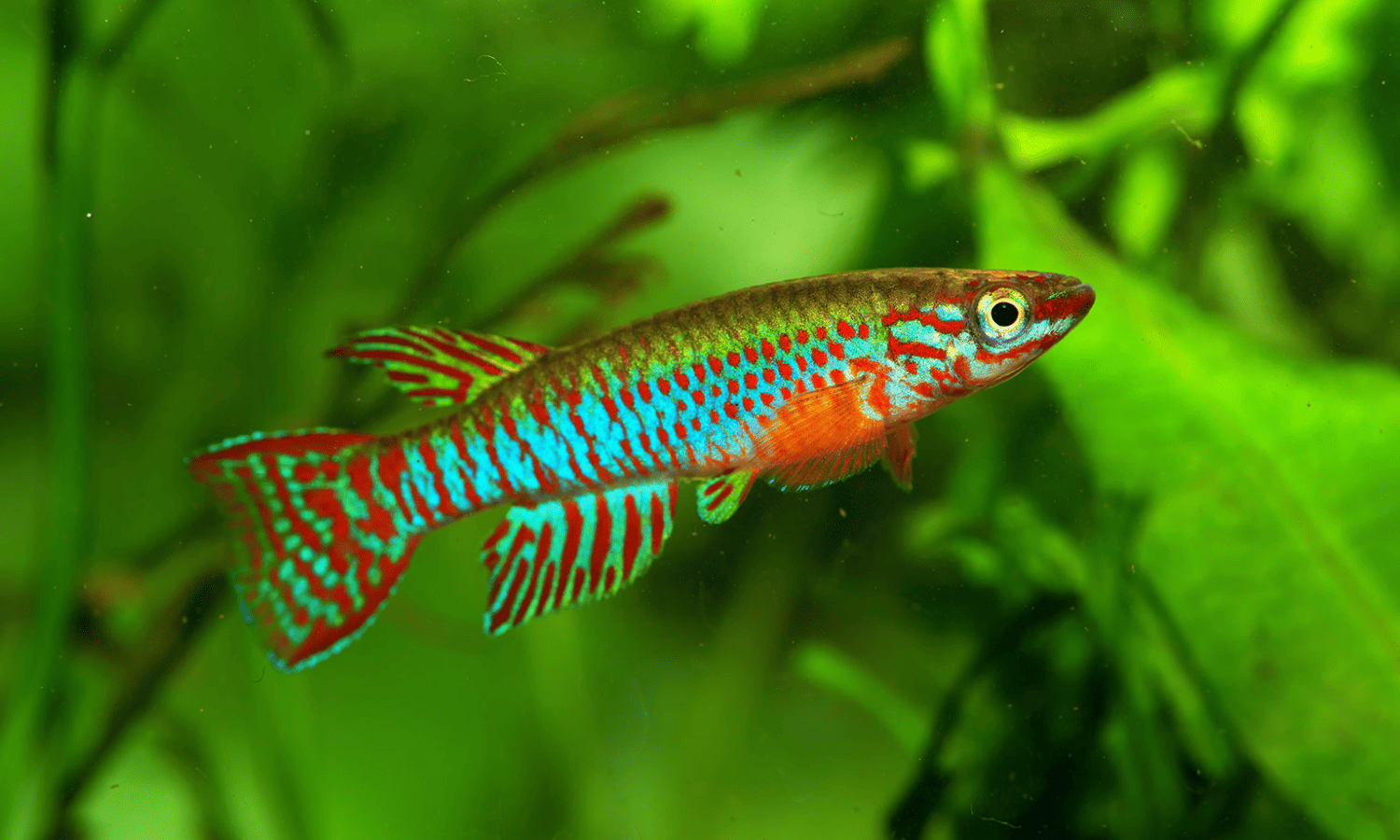
The most unexpected discovery was how early the aging process began to diverge. By the middle of their lives (70-100 days), the long-lived fish behaved differently from their shorter-lived counterparts. The long-lived fish slept soundly at night and were active during the day. In contrast, the shorter-lived fish began to take naps during the day at a younger age. The long-lived fish swam more energetically and reached higher speeds when they made sudden movements in the aquarium. A high level of spontaneous activity during daylight hours was directly correlated with an increase in lifespan.
Using machine learning models, scientists proved that just a few days of data on the behavior of a middle-aged fish is enough to predict its final life path. The study refuted the myth that aging is a gradual decline. It revealed that the fish remains in a stable state for a long time, and then abruptly transitions to a new stage of aging within a few days. Throughout its life, the fish undergoes two to six such abrupt transformations.
These leaps in behavior are also reflected at the molecular level. The scientists found the most noticeable changes in the liver: in individuals on the short path of aging, the genes responsible for protein production and cellular renewal worked differently. This confirms that external behavior is an accurate indicator of internal biological processes.
As modern people increasingly use wearable devices (smart watches and trackers), the data from this study opens up new perspectives. If the principles of killifish aging apply to humans, then monitoring micro-changes in sleep quality and daytime activity could help identify early health risks decades before clinical symptoms appear.
Scientists plan to test whether it is possible to change the trajectory of aging by intervening at an early stage, such as by adjusting sleep patterns or diet. This transforms behavior from a mere observation into a potential therapeutic target for extending healthy life.
Published
March, 2026
Category
Science
Duration of reading
3-4 minutes
Share


Source
Scientific Journal Science. Article: Lifelong behavioral screen reveals an architecture of vertebrate aging
Don’t miss the most important science and health updates!
Subscribe to our newsletter and get the most important news straight to your inbox