Proper nutrition helps to control glucose levels
The combination of whole grains, legumes, berries, fermented dairy products, and high-fiber foods can stabilize glucose release and support long-term metabolic health. The new review systematizes data on how individual foods and dietary patterns affect blood glucose levels. At the same time, we are not talking about magic remedies. It is important to note that the effect depends on the composition of the diet as a whole, the cooking method and the individual characteristics of the body.
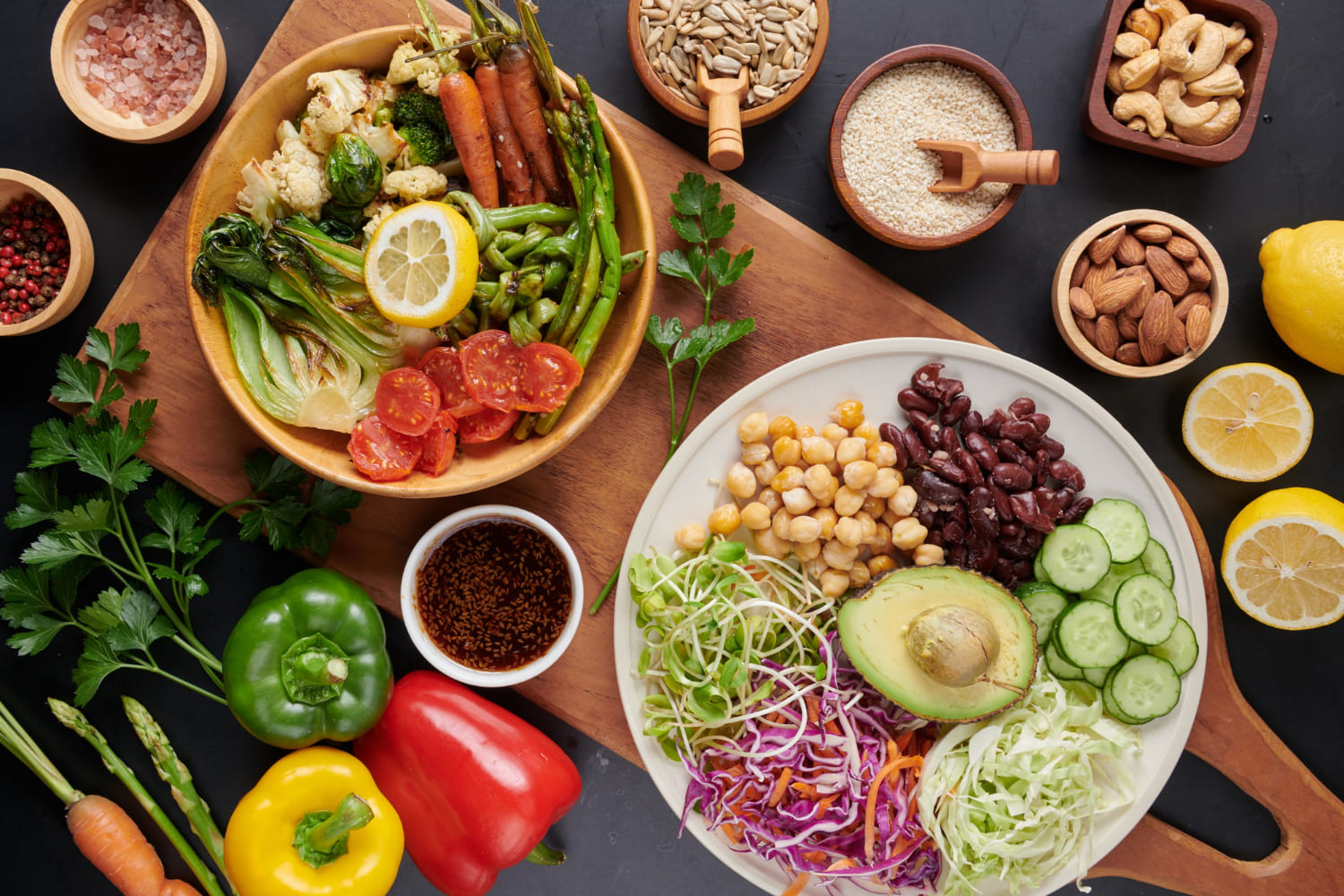
Carbohydrate digestion begins in the mouth, where it is broken down by salivary amylase. Rapidly digested carbohydrates cause a sharp increase in glucose after a meal (postprandial hyperglycemia), which stimulates the pancreas to release insulin. Chronic spikes can contribute to the development of insulin resistance.
Soluble fiber increases the viscosity of the contents of the stomach and intestines, slowing down the emptying of the stomach and limiting the access of digestive enzymes to starch. As a result, glucose is absorbed more slowly. This effect is particularly pronounced in viscous soluble fibers (such as beta-glucans, psyllium, and inulin).
Resistant starch is not digested in the small intestine, but is fermented in the large intestine, forming short-chain fatty acids (SCFAs: acetate, propionate, and butyrate). SCFAs support the integrity of the intestinal barrier, modulate inflammatory pathways, and increase insulin sensitivity. The content of resistant starch depends on the type of food, its maturity, cooking method, and even re-cooling (for example, boiled and cooled potatoes or rice have higher levels of resistant starch).
Adding protein and healthy fats to meals further slows gastric emptying, reducing the rate at which glucose enters the bloodstream. Fermentation of fiber by gut bacteria to produce FFA is another mechanism for supporting glucose homeostasis and improving insulin sensitivity.
| Product / Product Group | Key components | Effect on glucose | Important nuances |
|---|---|---|---|
| Whole grains (whole-grain oatmeal, barley, quinoa) | Fiber, complex carbohydrates, vitamins, and minerals | Low glycemic response due to delayed absorption | It is better to choose minimally processed options |
| Legumes (lentils, beans, chickpeas) | Fiber, vegetable protein, resistant starch | Stabilization of glucose levels, long-lasting satiety | The effect is stronger with moderate processing, without excess salt or sugar |
| Berries, citrus fruits, apples, and pears | Fiber, polyphenols, and vitamins | Low glycemic effect when consumed whole | Juices without fiber dramatically increase sugar |
| Non-starchy vegetables (broccoli, spinach, cabbage) | Fiber, phytonutrients, low calorie content | Minimal effect on glucose levels | It is optimal to include in every meal |
| Fermented dairy products without sugar (natural yogurt, kefir) | Probiotics, protein, calcium | Improved glycemic index, support for the microbiome | The absence of added sugar is important |
| Foods with resistant starch (unripe bananas, chilled potatoes and rice, and legumes) | Resistant starch, fiber | Reduction of postprandial glycemia due to fermentation in the large intestine | The effect depends on the method of preparation and storage |
Two diets are the most popular for a balanced diet:
- The Mediterranean diet emphasizes plant-based foods, fish, olive oil, whole grains and legumes, moderate dairy consumption, and limited refined carbohydrates. Its metabolic benefits are due to the combination of fiber, unsaturated fats, and bioactive phytochemicals.
- Plant-based diets, which include legumes, whole grains, vegetables, and fruits, also help maintain stable glucose levels due to their high fiber content and low processing.
Whole, minimally processed foods consistently produce a lower glycemic response compared to refined foods. Combining carbohydrates with protein, healthy fats, and fiber is more effective in mitigating glucose spikes than individual superfoods.
The GI (Glycemic Index) reflects the rate at which blood sugar rises, while the GL (Glycemic Load) also takes into account the portion size. Evidence suggests a link between a high GI/GL diet and an increased risk of type 2 diabetes. Also, cooking, cooling, re-heating, and ripeness all change the resistant starch content and the rate of carbohydrate absorption. Metabolic status, microbiome composition, and insulin sensitivity vary among individuals, so the effect of the same foods may not be the same.
Dietary strategies with high fiber, whole grains, legumes, and low GI/GN foods can complement drug therapy, physical activity, and clinical monitoring. Such approaches can improve insulin sensitivity and reduce glycated hemoglobin levels. However, they do not replace medical treatment prescribed by a doctor.
A diet with a low glycemic response and a high fiber content helps maintain stable energy levels, improves satiety, promotes healthy weight management, and reduces long-term risks of obesity, metabolic syndrome, and cardiovascular diseases.
Any dietary changes should be discussed with a healthcare provider or nutritionist if you have a chronic medical condition. An individualized nutrition plan that takes into account your health, lifestyle, and dietary preferences will be the most effective and safe.
Published
June, 2026
Updated
Category
Medicine
Duration of reading
4-5 min
Share


Source
Scientific journal Food Production, Processing and Nutrition. Article: Physiological effects of resistant starch and its applications in food: a review
Global health science — in clear language
We select and translate the best international publications. Read 3 key materials about longevity every week!