Simple question can support mental health
In Australia, every September, the “R U OK? Day” campaign takes place — its main idea is simple: it’s enough to ask a person the question “Are you okay?” to support them and remind them of the importance of taking care of their mental health. This day has become firmly established in public life; it’s talked about at school assemblies, in offices during coffee breaks, and on social media. But does such an initiative have a real effect? A new study shows that yes, the campaign is indeed associated with a small but measurable improvement in people’s well‑being — especially among men aged 25–49. However, it did not lead to an increase in requests for professional help.
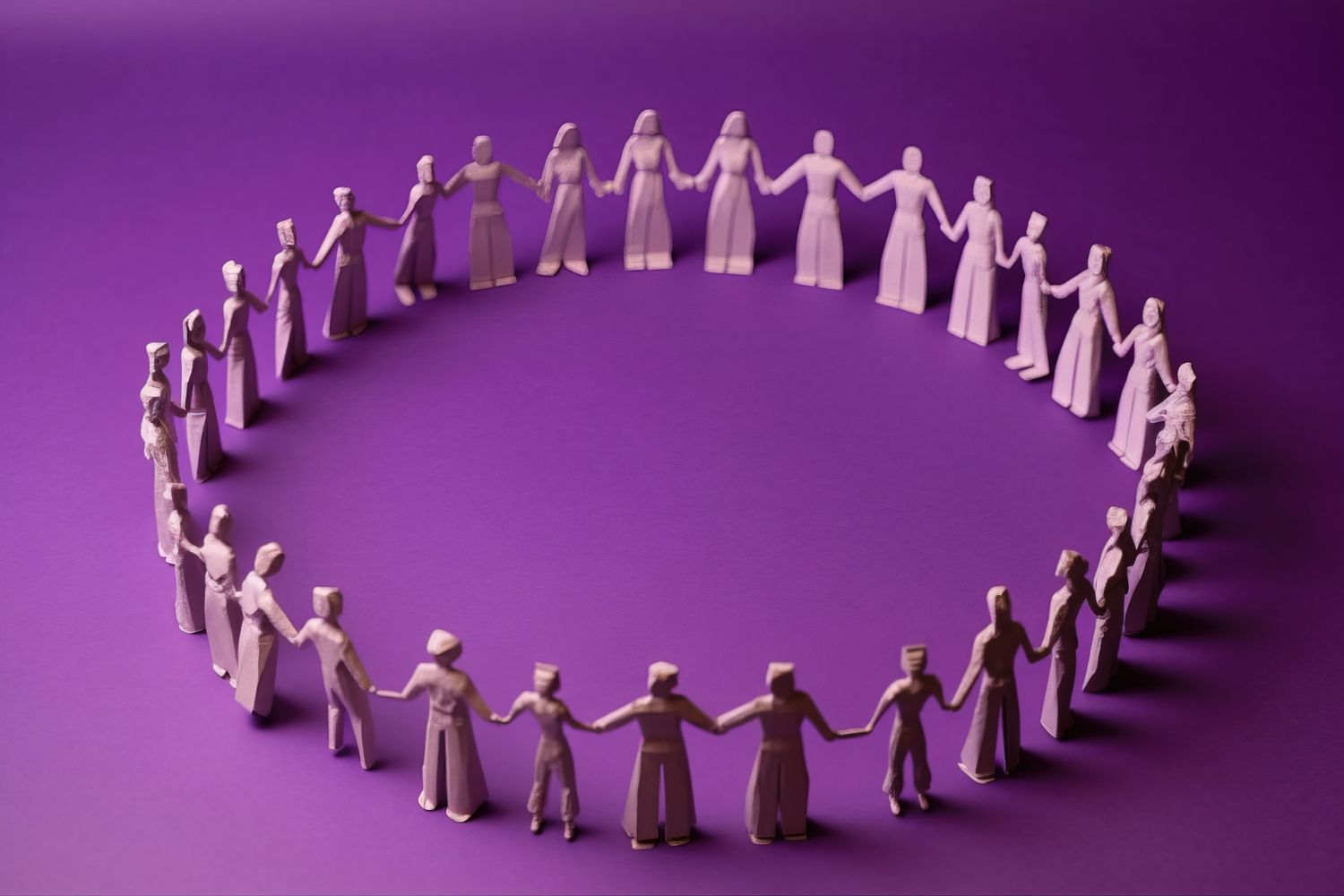
Scientists analyzed data spanning nine years, from 2011 to 2019, and evaluated two main indicators. First, they used the results of the Household, Income and Labour Dynamics in Australia survey: participants answered nine questions about their well‑being over the previous four weeks, for example, how often they felt happy, nervous, energetic, or so depressed that nothing could cheer them up. The responses were combined into a single indicator of mental well‑being. Secondly, the researchers examined national Medicare medical data: how many mental health treatment plans were issued per day by general practitioners and how many prescriptions for medications to treat mental disorders were written.
Statistical analysis compared changes in these indicators over the four weeks before and after “R U OK? Day” in the years when the campaign was particularly prominent, with similar periods in earlier years when its reach was smaller. At the same time, they took into account the weather, seasonal fluctuations, the economic situation, and other factors to more accurately isolate the effect of the campaign itself. This approach allows us to assess the cumulative impact: from personal conversations and corporate events to media coverage and the overall increase in attention to mental health these days.
The results showed that, on a population‑wide scale, the campaign produced a small but statistically noticeable increase in self‑reported well‑being: on average, a person moved from the 50th to the 53rd percentile on the well‑being scale. This does not mean radical changes; people simply felt slightly more energetic, calm, and happy, and slightly less depressed. Moreover, we are talking about the average value for the entire population, including those who had no direct contact with the campaign. For those who participated in the conversation in the “R U OK?” format, the effect was likely significantly stronger, although the data do not allow us to single out this group separately.
The effect was particularly pronounced among men aged 25–49: their well‑being increased by twice as much as the population average. This is important because it is men in this age group who are least likely to seek help for mental health problems, yet they make up a significant share of suicide statistics in Australia. The most likely explanation for the effect is an increase in social connection. The very fact that a colleague or friend asks, “Are you okay?”, as well as the opportunity to openly talk about how they’re feeling, can reduce feelings of isolation and show that it’s normal to acknowledge difficulties. This is also supported by another result: people’s sense that they have someone to turn to for support has grown, and again, this is most pronounced among men aged 25–49.
At the same time, the campaign did not lead to an increase in the number of requests for professional help. National data did not record an increase in visits to a doctor to develop a mental health treatment plan or an increase in the number of prescriptions for relevant medications, either within four weeks after the “R U OK?” day or within two to three months. This does not mean that no one sought help because of the campaign, but individual decisions did not result in a noticeable increase at the national level. Perhaps people contacted other services — for example, they called hotlines, which is not reflected in these data. Furthermore, even if a person decides to seek professional support, barriers may arise: fear of stigma, uncertainty about where to go, long waiting times for appointments, and the high cost of treatment.
The study’s findings are important for social policy. They show that campaigns focused on support from others can indeed provide psychological benefits, especially for groups that traditionally avoid seeking help.
Published
September, 2026
Updated
Category
Interesting facts
Duration of reading
4-5 min
Share


Source
Scientific Journal of Marketing. Article: Are You OK? Effects of a National Peer-Support Campaign on Mental Health
Global health science — in clear language
We select and translate the best international publications. Read 3 key materials about longevity every week!