Variety of plant‑based foods can be more beneficial than probiotics
Researchers from King’s College London and the ZOE project have concluded that daily consumption of a wide range of plant‑based foods can have a greater impact on the gut microbiome than taking a standard probiotic. The results show that a supplement containing more than 20 different plants noticeably changes the composition of the gut microbiota and improves the participants’ well‑being, and it does so more effectively than a probiotic capsule or a neutral control product.
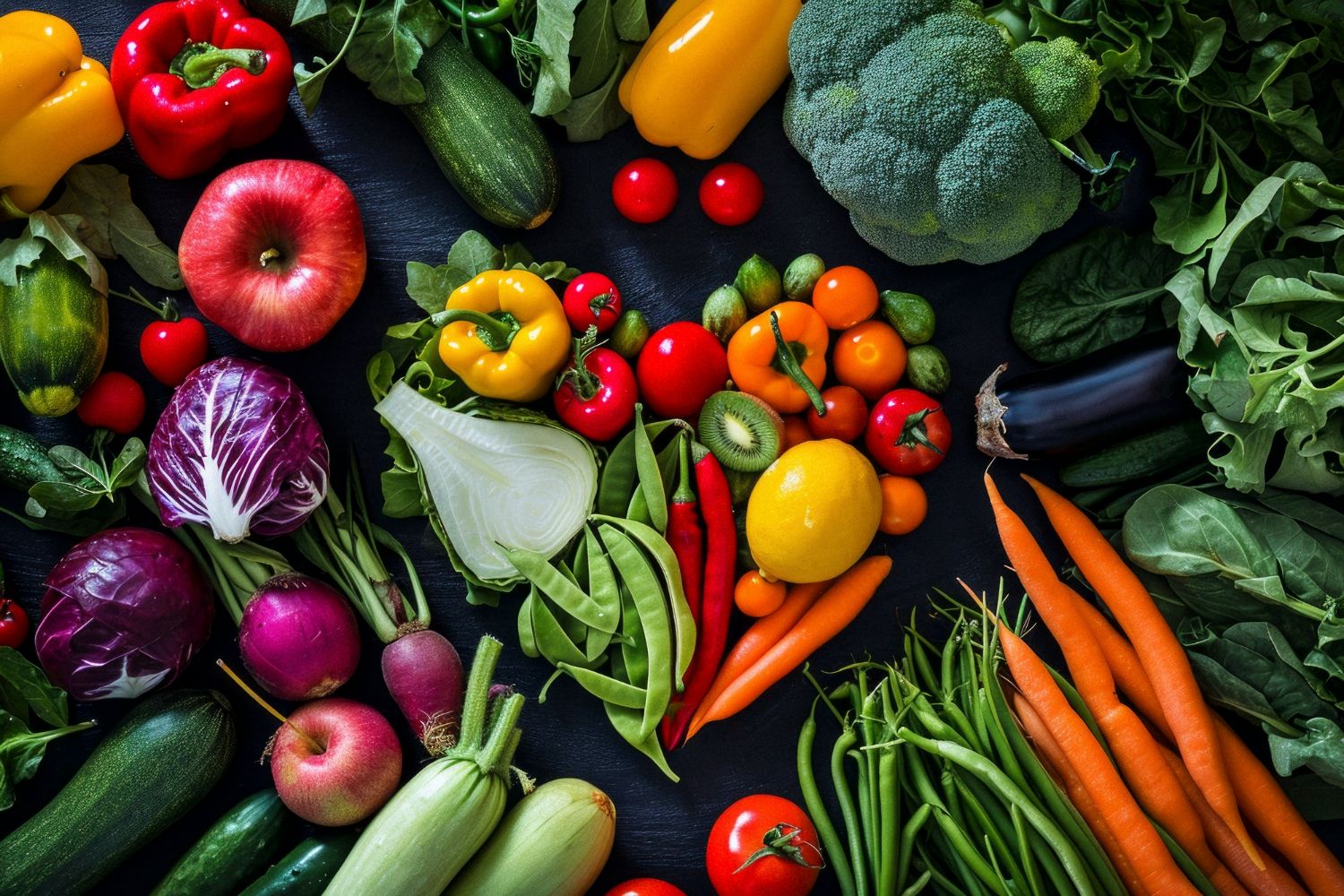
A randomized controlled trial involved 349 adult residents of the United Kingdom. The participants were divided into three groups. The first group received a daily 30‑gram Daily30 plant‑based mixture, which included vegetables, fruits, nuts, seeds, herbs, spices, and mushrooms. The second group took a capsule with a single‑strain probiotic based on Lactobacillus rhamnosus — a well‑studied strain. The third group served as a control; they were given 28 grams of crackers, which were comparable in calorie content to the plant‑based supplement.
Significant differences were recorded after just six weeks. In the group that received the plant‑based mixture, the number of 57 types of beneficial bacteria increased. In the probiotic group, changes affected only four types, and in the control group — 14 types. At the same time, the increase in the number of bacteria in the plant‑based supplement group was on average associated with favorable health indicators, while a decrease was associated with unfavorable ones. In the control and probiotic groups, no such clear link was found.
Participants who consumed the plant‑based mixture reported not only improved digestion but also other positive effects:
- 55 % of them reported reduced stomach discomfort,
- 35 % — less severe constipation,
- 18 % — reduced heartburn,
- 37 % — reduced flatulence.
In addition, 51 % of participants noted an increase in energy levels, and 45 % reported an improvement in mood.
A separate experiment with a subgroup of 34 participants showed how the plant‑based mixture affects feelings after eating. People were given carbohydrate‑rich food; some received it with Daily30 added, others without. Those who consumed the mixture with the food reported greater satiety (41 %), greater satisfaction with the meal (22 %), and higher energy levels (43 %). The reduction in the desire to eat was particularly noticeable, as it decreased by 71 %, and the feeling of hunger by 17 %.
According to Professor Sarah Berry, the lead author of the study and chief scientific officer at ZOE, the fact that Daily30 changed 57 separate types of bacteria in just six weeks could help shape approaches to maintaining gut health. Instead of introducing isolated strains in the form of tablets, it is much more effective to support the existing microflora with a variety of plant‑based foods.
Experts have also drawn attention to the gap between the scale of the supplement industry and the quality of scientific evidence. In his view, consumers have been lured for too long by promises of quick fixes in the form of synthetic tablets and highly processed powders, while reliable scientific data in this area have long remained insufficient, and plant‑based foods have not been as popular as dietary supplements.
Published
August, 2026
Updated
Category
Medicine
Duration of reading
2-3 min
Share


Source
Scientific British Journal of Nutrition. Article: Does a diverse whole-food plant-based dietary intervention improve gut microbiome composition, gut symptoms, energy and hunger in healthy adults? A randomised controlled trial
Global health science — in clear language
We select and translate the best international publications. Read 3 key materials about longevity every week!