The rate of DNA aging depends on the genes
Scientists from the University of California at Los Angeles have found that the rate of accumulation of mutations in DNA with age is largely determined by hereditary factors. An analysis of the genetic data of more than 900,000 people has shown that in some people, certain sections of DNA change several times faster than in others — and it all depends on variations in genes.
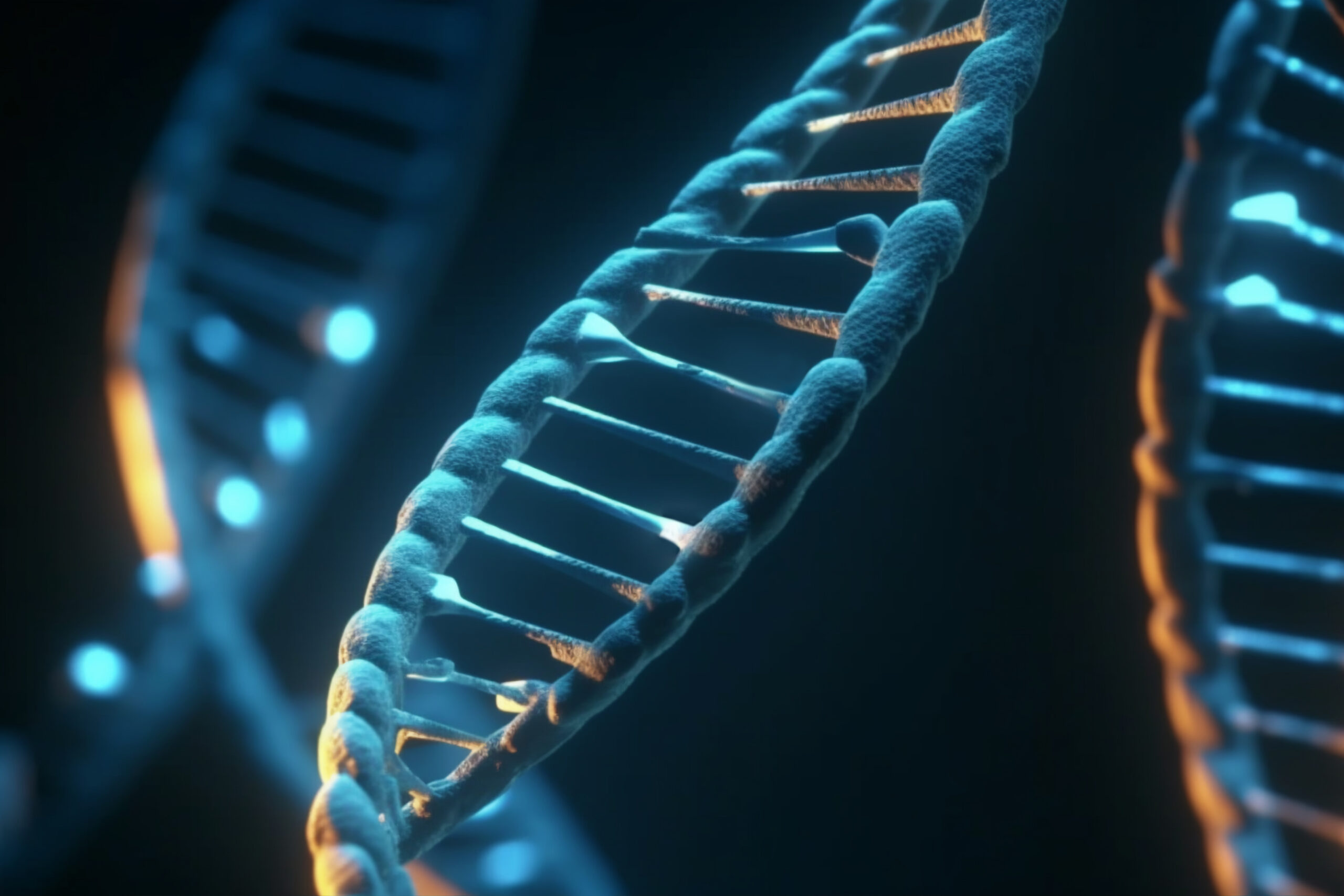
We are talking about so—called repeating DNA sequences – short fragments that are repeatedly copied into the genome. With age, such repetitions tend to lengthen and become unstable. It is known that this process underlies more than 60 hereditary diseases, including Huntington’s disease, myotonic dystrophy and some forms of ALS.
Although most people accumulate similar repeat extensions throughout their lives, it has not been clear until now how widespread this process is and which genes control it.
The scientists analyzed genome-wide data from almost 500,000 UK Biobank participants and more than 400,000 people from the All of Us program in the United States. To do this, the team has developed new computational methods that accurately measure the length of DNA repeats and their instability based on standard sequencing data.
In total, the researchers studied more than 350,000 sections of the genome and tracked how the length of repeats changes with age in blood cells. It turned out that the speed of this process varies greatly between people and can vary up to four times depending on the genetic profile.
The authors identified 29 regions of the genome where hereditary variants significantly affect the rate of repeat expansion. Interestingly, the same genes involved in DNA repair could stabilize some repeats and simultaneously accelerate the instability of others. This indicates the complex and context-dependent operation of DNA repair mechanisms.
One of the most significant discoveries was the discovery of a previously unknown disease associated with the expansion of repeats in the GLS gene. Although such changes are rare, their carriers had a 14—fold higher risk of severe kidney disease and a three-fold higher risk of liver disease.
The results of the study show that measuring DNA repeats in the blood may become a promising biomarker for evaluating the effectiveness of future therapies aimed at slowing down genetic aging and the progression of hereditary diseases.
According to the lead author of the study, Margot Huell, most people carry elements in their genome that become unstable over time. However, strong genetic control of this process opens up opportunities for targeted intervention — if we understand which molecular pathways slow down the expansion of repeats, they can be used in therapy.
Thus, the study not only deepens the understanding of how our DNA ages, but also points to potential strategies for slowing down age-related and hereditary diseases associated with genetic instability.
Published
January, 2026
Category
Science
Duration of reading
3-4 minutes
Share


Source
Scientific Journal Nature. Article: Insights into DNA repeat expansions among 900,000 biobank participants
Don’t miss the most important science and health updates!
Subscribe to our newsletter and get the most important news straight to your inbox