Aging midbrain neurons are experiencing an energy crisis
Researchers from Weill Cornell Medicine have found that the neurons of the midbrain responsible for the production of dopamine face an increasing energy deficit as they age. The work is published in the Proceedings of the National Academy of Sciences and offers a new explanation for why these cells are particularly often destroyed in Parkinson’s disease.
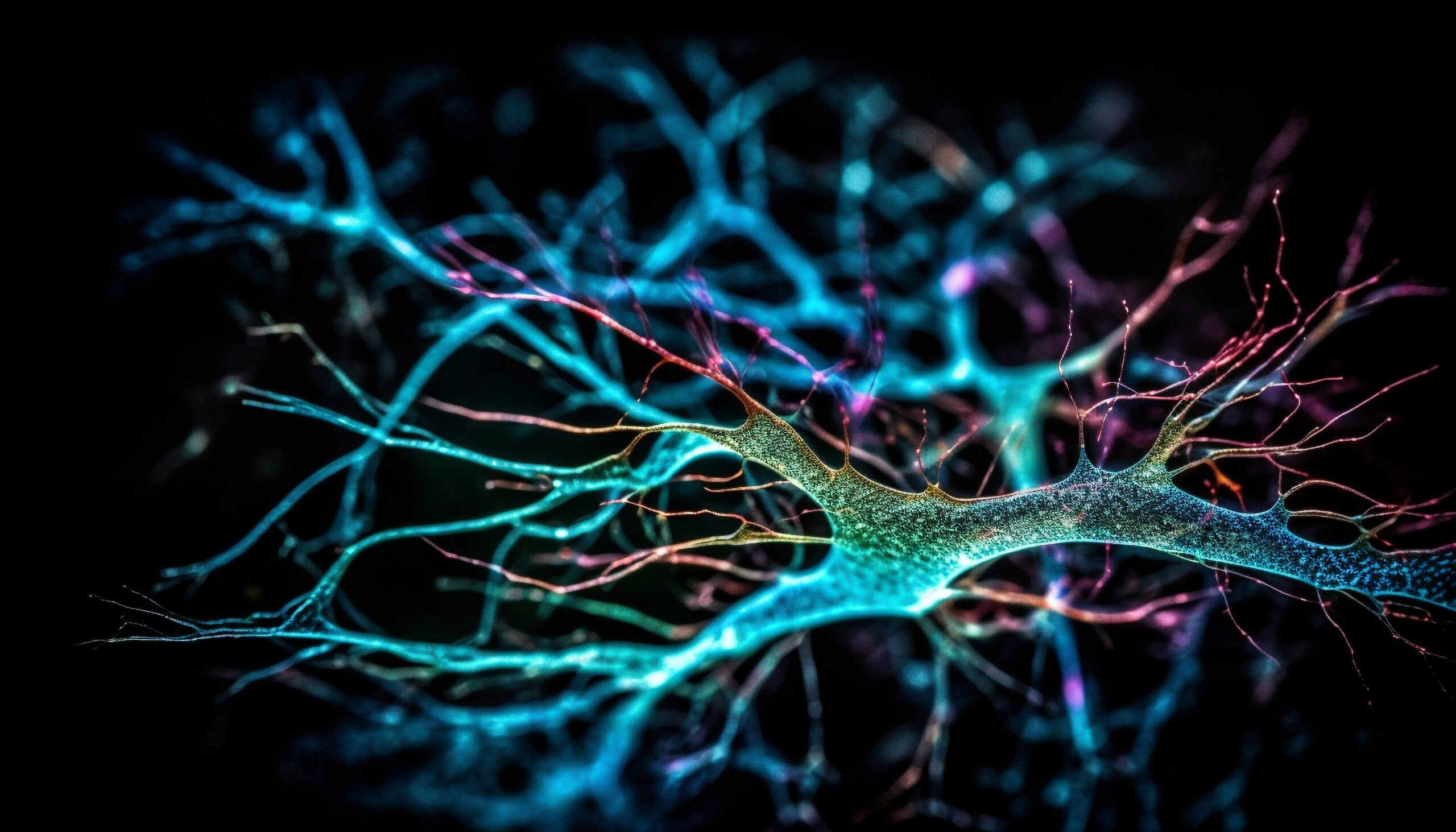
Dopamine neurons, which have a complex branched structure and high energy consumption, create their own fuel supply — small accumulations of glycogen. This reserve allows cells to continue working even with a short-term decrease in blood glucose levels.
However, the mechanism of regulation of these stocks turned out to be two-sided and potentially dangerous. Neurons control the accumulation of glycogen through D2 receptors, the same structures that respond to the dopamine they release. The less dopamine they produce, the weaker the signal to store energy. As a result, when the activity decreases, the cells actually turn off their own fuel supply.
Animal experiments have shown that as soon as the glycogen supply runs out, neurons become extremely sensitive to a lack of glucose and cease to function almost instantly.
Scientists believe that this vulnerability may explain the gradual death of dopamine neurons observed in Parkinson’s disease. Age—related changes, genetic factors, or environmental influences can reduce dopamine production, trigger a lack of glycogen, and further the destructive cycle only intensifies.
The researchers note that some antipsychotic drugs that block D2 receptors cause symptoms resembling Parkinsonism, which further confirms the proposed mechanism.
The team plans to continue working by studying how other groups of neurons accumulate glycogen and why it is the dopamine cells of the midbrain that are most vulnerable.
Published
December, 2025
Category
Science
Duration of reading
2–3 minutes
Share


Source
A source Proceedings of the National Academy of Sciences. Article: «Neuromodulatory control of energy reserves in dopaminergic neurons»
Don’t miss the most important science and health updates!
Subscribe to our newsletter and get the most important news straight to your inbox