Beetroot juice reduces blood pressure in the elderly
Drinking concentrated beetroot juice can significantly lower blood pressure in the elderly — and, as a new study by scientists from the University of Exeter has shown, it’s not just the juice itself, but also how it changes the oral microbiome. The results of the largest study on this topic to date have been published in the journal Free Radical Biology and Medicine.
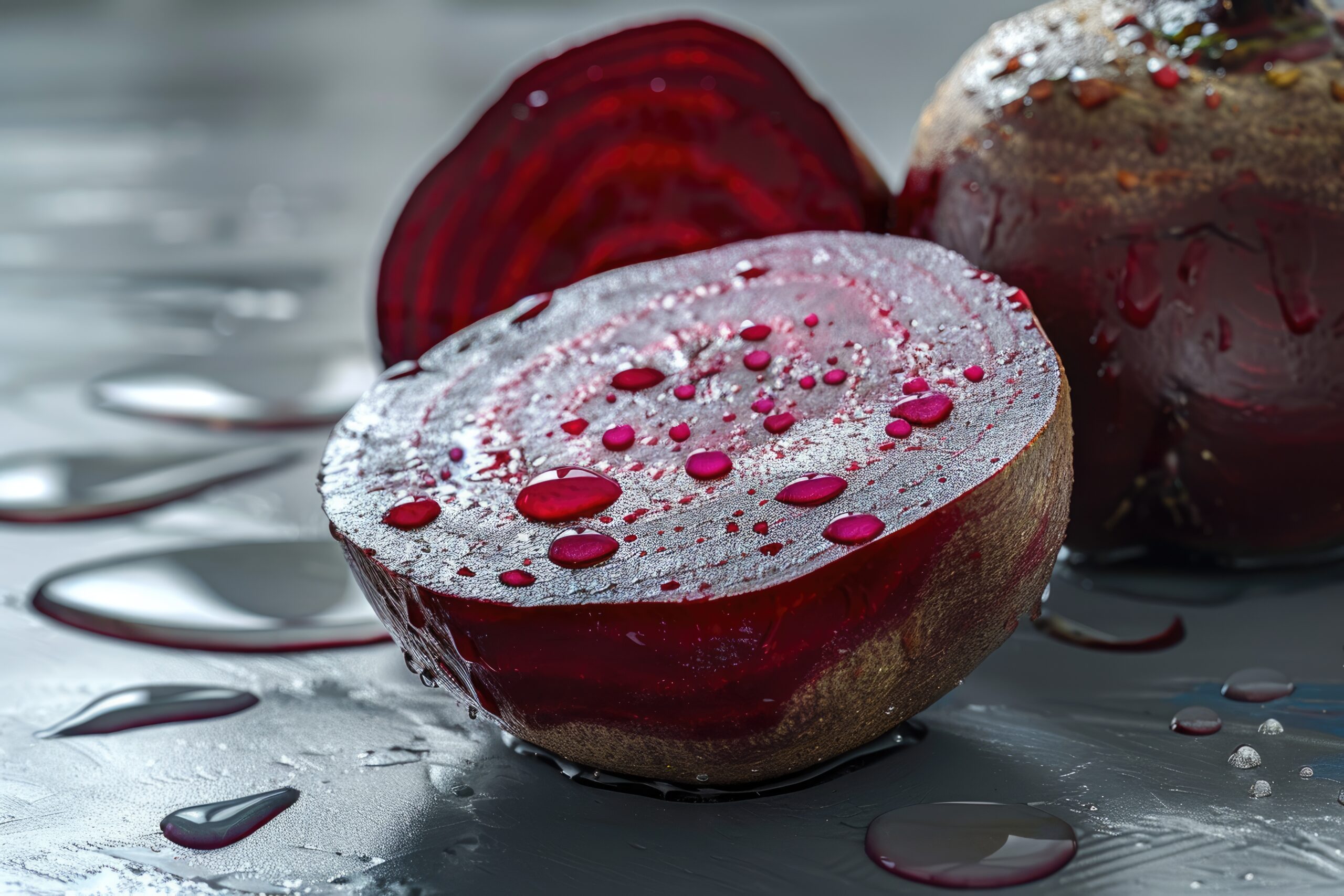
The study showed that a key factor affecting blood pressure may be the ability of bacteria in the oral cavity to convert nitrates from food into nitric oxide— a molecule vital for vasodilation and maintaining normal blood pressure. However, this transformation slows down with age: older people produce less of their own nitric oxide, and also suffer from an imbalance of the oral microflora, in which the number of “beneficial” bacteria decreases and the number of potentially harmful ones increases.
“We have long known that a diet rich in nitrates is beneficial for the cardiovascular system, especially in old age, when nitric oxide production decreases and blood pressure is usually elevated,” explains Professor Annie Vantalo, lead author of the study. “Now we know that nitrates act through the oral microbiome.: they change the composition of bacteria, increasing the proportion of those who are able to produce nitric oxide.”
The study involved 75 volunteers: 39 people under the age of 30 and 36 aged 60 to 75 years. The participants drank a concentrated dose of beetroot juice rich in nitrates twice a day for two weeks. This was followed by a two-week “washout” period, followed by a second two-week cycle with placebo juice, from which nitrates were removed.
During the experiment, the researchers measured blood pressure and analyzed the composition of the oral microbiome using bacterial gene sequencing before and after each stage.
The results were clear: in the elderly group, blood pressure decreased significantly after taking this juice, in contrast to taking a placebo. In addition, there have been marked changes in the microbiome. In particular, the number of Prevotella bacteria associated with inflammatory processes decreased, and the number of Neisseria, a genus of bacteria known to efficiently convert nitrates into nitric oxide, increased.
The young group also showed changes in microflora, but there was no decrease in blood pressure in this group, possibly because they initially had normal blood pressure and a more stable microbiome.
“Our study shows that nitrate—containing foods alter the oral microbiome and, in the case of the elderly, can reduce inflammation and blood pressure,” said Professor Andy Jones, co-author of the work. “This paves the way for further large—scale studies that will be able to take into account how gender, age, lifestyle, and the individual microbiome affect the effectiveness of the nitrate diet.”
According to the professor, the results also confirm the importance of dietary recommendations for the elderly: regular consumption of vegetables with a high nitrate content such as spinach, arugula, fennel, celery and cabbage can significantly improve the vascular system.
Dr. Lee Beniston, Deputy Director of Scientific Cooperation at BBSRC, emphasized the importance of this work for applied science: “This is an excellent illustration of how bioscience helps to understand the complex relationships between nutrition, the microbiome and health in old age. The results of the study provide real prospects for improving vascular health through nutrition.”
Published
July, 2025
Category
Science
Duration of reading
3—4 minutes
Share


Don’t miss the most important science and health updates!
Subscribe to our newsletter and get the most important news straight to your inbox