Brain injury increases suggestibility
A study has shown that damage to certain parts of the brain makes a person not only more impulsive, but also more susceptible to other people’s impulsive decisions. This is especially true for the area of the medial prefrontal cortex, which has been found to play a key role in social suggestibility and self-control.
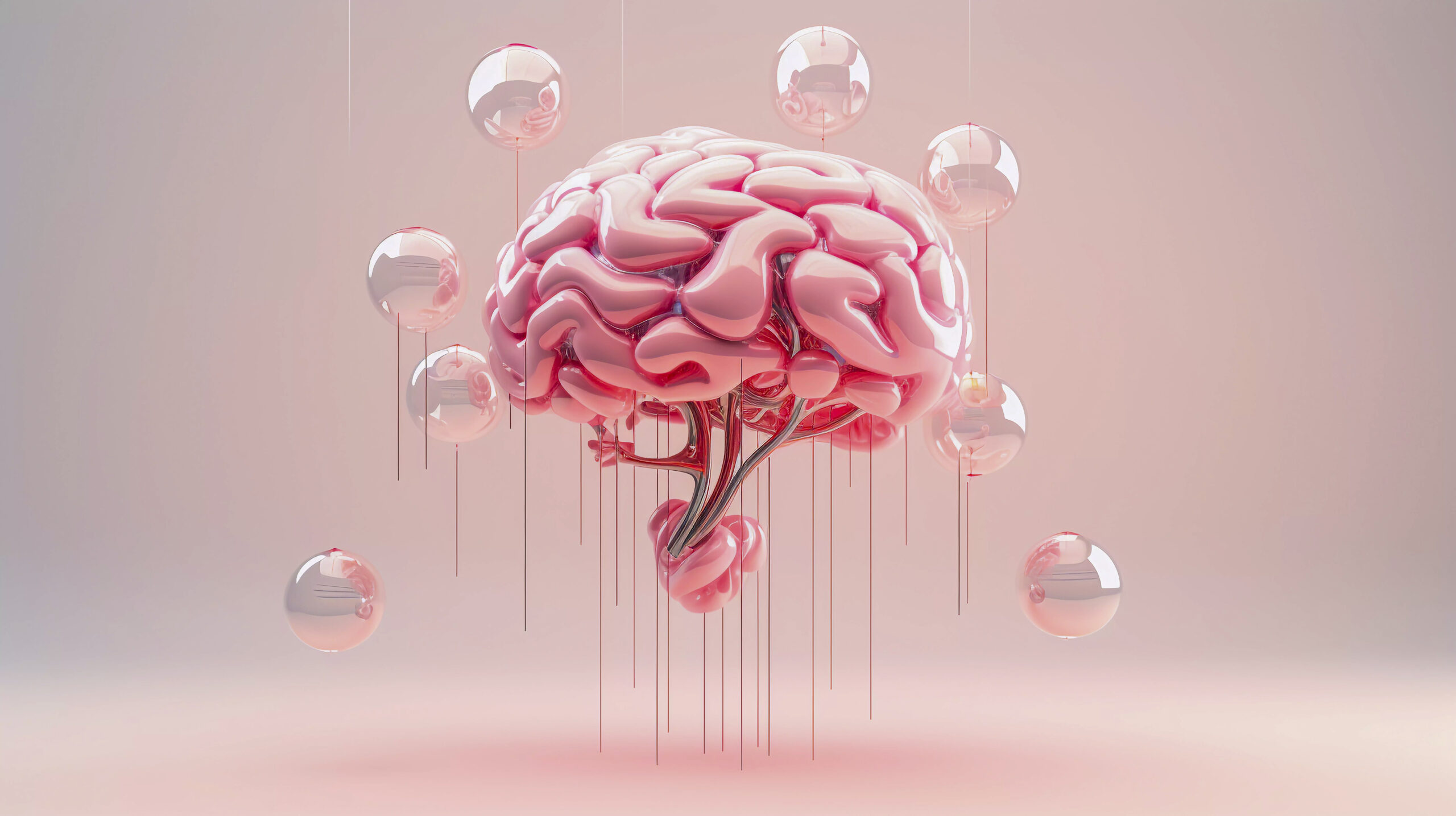
Other people’s behavior has the power to change our decisions – especially if our brains have experienced trauma. A study by an international team of neuroscientists published in PLOS Biology found that people with damage to the medial prefrontal cortex (mPFC) are more likely to make impulsive choices and more easily influenced by others, especially if those around them tend to make hasty decisions themselves.
The scientists worked with 121 participants, among whom 33 had localized damage to the mPFC, 17 had other brain injuries, and 71 participants were healthy and served as a control group. They were asked to choose between an immediate small reward and a larger but delayed reward. They were then shown other people’s choices – both impulsive and restrained – and again asked to make a decision.
The result was unexpected: not only were participants with mPFC damage more likely to choose “quick” rewards, but they were also significantly more likely to be influenced by others if they also made impulsive choices. At the same time, they hardly reacted to the behavior of “patient” people.
As Professor Patricia Lockwood from the University of Birmingham explains, this important discovery shows: “There is a particular area of the brain whose damage makes people more suggestible – but only when it comes to other people’s impulsive behaviors. The other area of the mPFC, by contrast, is responsible for its own impulsiveness regardless of other people’s opinions.”
The researchers used mathematical modeling and MRI scans to pinpoint which areas of the brain were responsible for which behaviors. It turned out that damage to the dorsomedial part of the mPFC (at the top) increases susceptibility to other people’s influence, while damage to the ventromedial part (at the bottom) makes a person more impulsive in general.
One of the authors, Dr. Zhilin Su, notes: “Even when damaged, people retained the ability to understand other people’s preferences. But they also began to imitate them more strongly – especially if others’ behavior was rushed.”
These findings may explain why some people become more suggestible or risk-taking in finances, information intake, and everyday decisions after brain injuries. This is important both for rehabilitation and for understanding the mechanisms of influence and manipulation in society.
Published
May, 2025
Duration of reading
2-3 minutes
Category
Science
Share


Don’t miss the most important science and health updates!
Subscribe to our newsletter and get the most important news straight to your inbox