Scientists have found hundreds of aging genes
Some people keep a clear mind and good health until the age of 90, while others face illnesses as early as 50. A new study explains why this is happening. We all have friends who easily tolerate illnesses and recover quickly after falls or surgeries. But there are also those whose health collapses from one unsuccessful cold. Scientists from the University of Colorado at Boulder have found an important clue to this mystery—and it’s not just about lifestyle. A paper has been published in the journal Nature Genetics, in which an international team describes the discovery of more than 400 genes associated with accelerated aging. It turned out that different sets of genes are responsible for different problems: memory impairment, decreased mobility, weak immune system, or even social isolation.
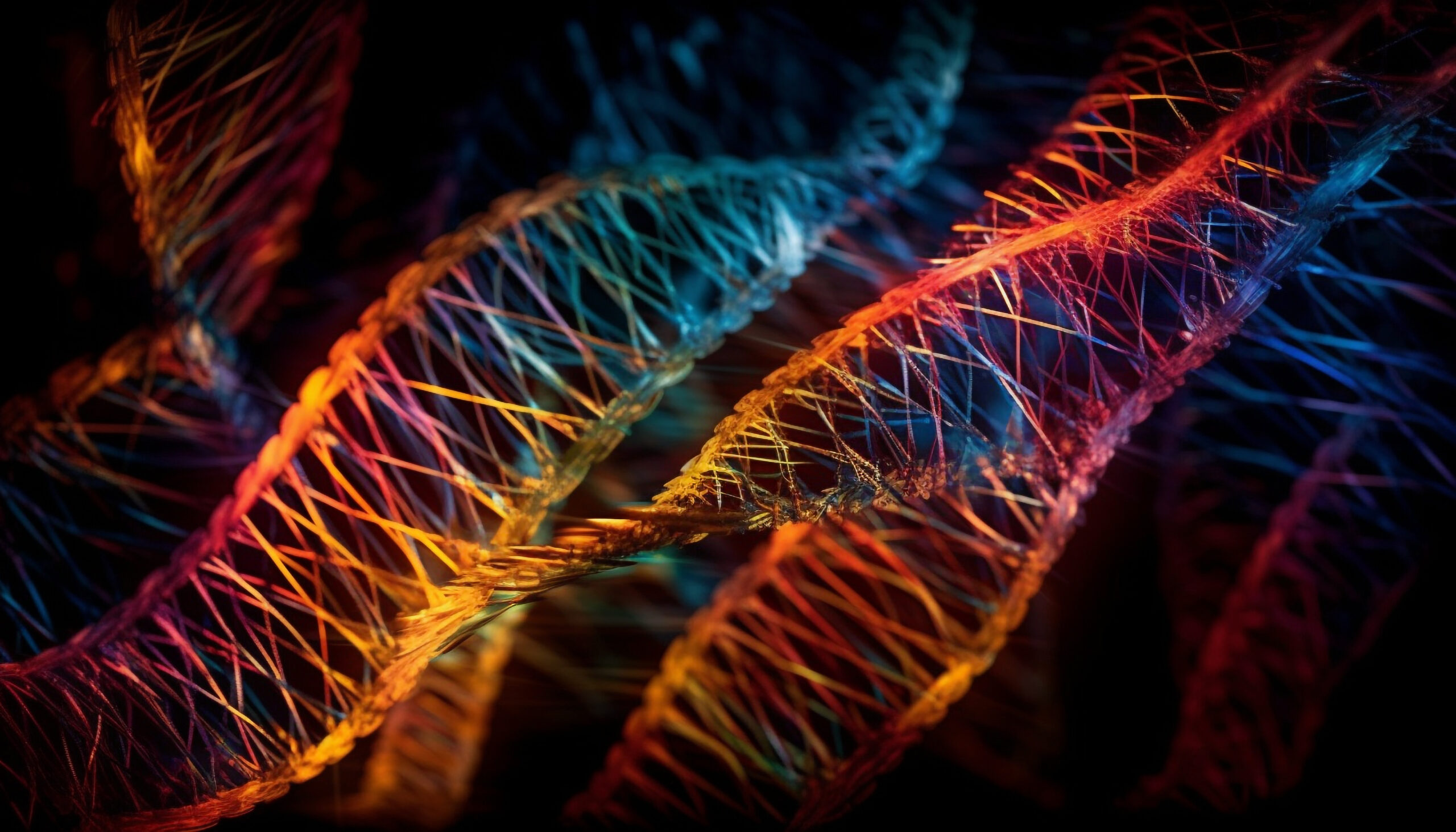
Doctors use the term “fragility” to describe the gradual decline of strength in different body systems. But until now, this diagnosis was too vague: two people with the same symptoms could suffer from completely different types of aging. Now it has become clear that old age is not a single thing, it has subtypes, and each of them is associated with its own set of genes.
To understand which genes play a role, the researchers analyzed the DNA of hundreds of thousands of people and compared it with 30 different age-related traits. As a result, the list of genes that affect aging has grown from 37 to 408. Among them, for example, the SP1 gene, associated with immunity and Alzheimer’s disease, and the FTO gene, which has long been known as the obesity gene.
These discoveries confirm the hypothesis of geroscience — the idea that it is worth treating not only specific diseases, but also the aging process itself. If it is possible to understand what molecular mechanisms are behind it, it will be possible to develop targeted therapies.
Doctors are already proposing to review the diagnosis and identify different subtypes of aging: cognitive, metabolic, physical, and others. Then the treatment can be selected more precisely: measures against dementia will help someone, and prevention of diabetes or cardiovascular diseases will help someone.
But the idea of a pill for old age is still a dream. But something else is more real: drugs that will slow down specific manifestations of aging, from memory problems to metabolic disorders. As the authors of the work say, perhaps humanity does not need one magic pill. A few are enough to prolong an active and healthy life.
Published
August, 2025
Category
Science
Duration of reading
2—3 minutes
Share


Don’t miss the most important science and health updates!
Subscribe to our newsletter and get the most important news straight to your inbox