Scientists have compiled a map of body aging
Researchers from the Chinese Academy of Sciences have compiled a detailed map of human aging. They analyzed the protein composition of the tissues of 13 organs in people aged 14 to 68 years and found out exactly how different parts of the body age. It turned out that each organ ages in its own way, but blood vessels play an important role in this process.
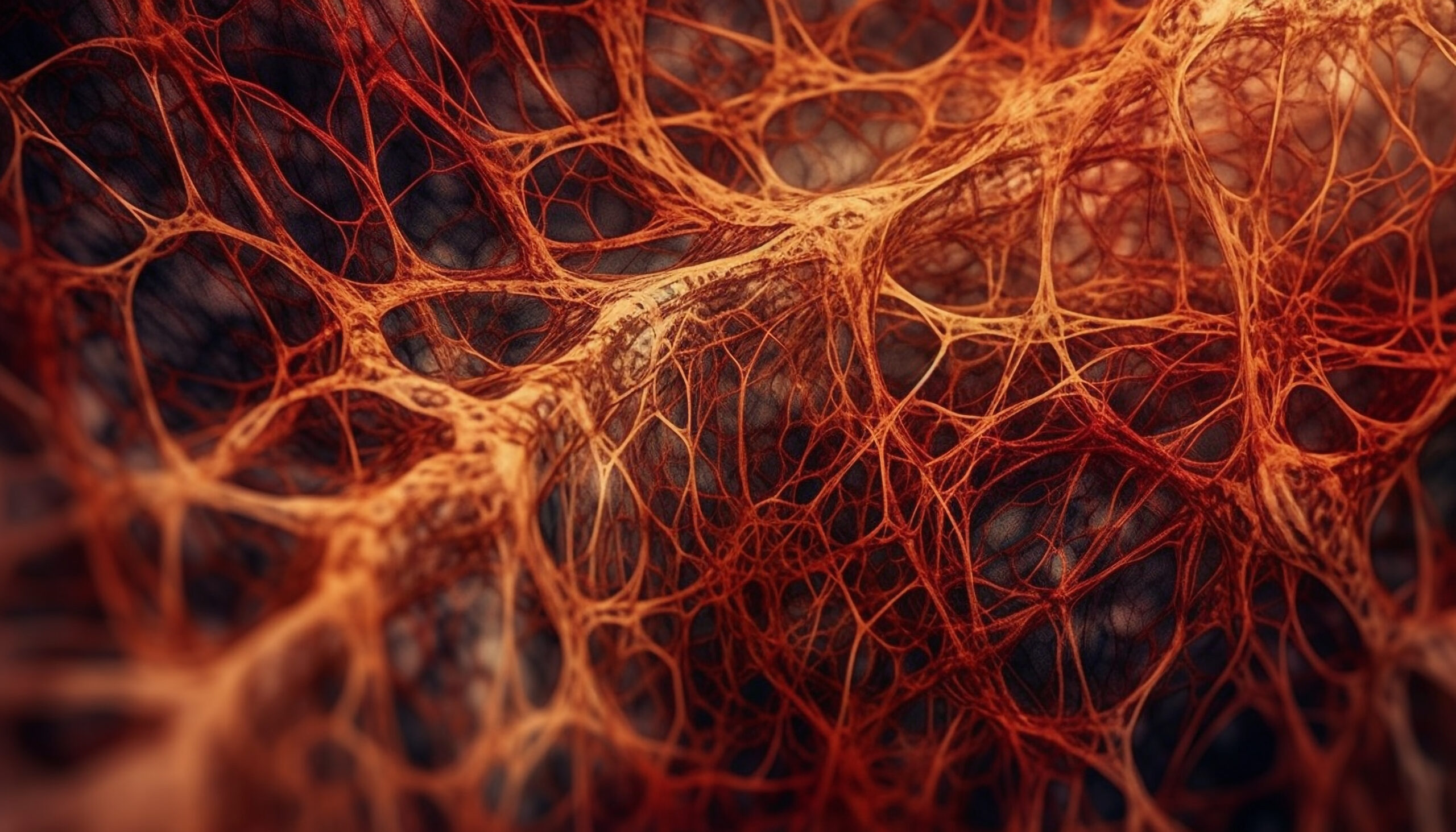
The scientists examined more than 500 tissue samples (including heart, lungs, liver, kidneys, spleen, lymph nodes, and others) using mass spectrometry, a method that accurately determines the composition of proteins. They also compared the protein activity with the activity of the corresponding genes.
Each organ ages in its own way: it was possible to identify a special aging clock for each tissue, which can be used to judge its biological age. Most people show noticeable signs of aging between the ages of 45 and 55.
Blood vessels are the main aging organ. The aorta, one of the largest arteries, turned out to be particularly sensitive to age. Moreover, it was vascular tissues that began to transmit aging signals to other organs.
It has also been found that with age, the body loses the ability to properly fold and utilize proteins. This leads to the accumulation of abnormal proteins, such as amyloids, which are associated with inflammation and organ failure.
Key proteins that accelerate aging have been discovered. Substances such as GAS6 and GPNMB accumulate in blood vessels and plasma with age. They cause inflammation, disrupt the functioning of blood vessels and worsen physical condition. In mice, the introduction of these proteins led to tissue aging and decreased mobility.
The discovery shows that aging is not just a gradual deterioration, but a complex, coordinated process in which blood vessels play a key role. Vascular proteins can tell other organs that it’s time to age by spreading signals throughout the body through the blood.
Now scientists hope that in the future it will be possible to slow down aging by acting on these signaling proteins. This can become the basis for new methods of preventing age—related diseases, from cardiovascular to neurodegenerative.
Published
July, 2025
Category
Medicine
Duration of reading
2—3 minutes
Share


Don’t miss the most important science and health updates!
Subscribe to our newsletter and get the most important news straight to your inbox