Smartwatches and smartphones can help predict brain health
A study by the University of Geneva (UNIGE) has shown that data from wearable devices combined with artificial intelligence can accurately predict cognitive and emotional fluctuations, paving the way for early diagnosis of mental and neurological disorders. Brain health, which includes both cognitive functions and emotional state, is recognized as one of the main public health problems of the 21st century. According to WHO, one in three people in the world suffers from neurological diseases, and one in two faces mental disorders at some point in their lives. Since even a healthy person’s brain constantly reacts to environmental and lifestyle changes, scientists have been looking for a way to monitor these changes continuously and non-invasively.
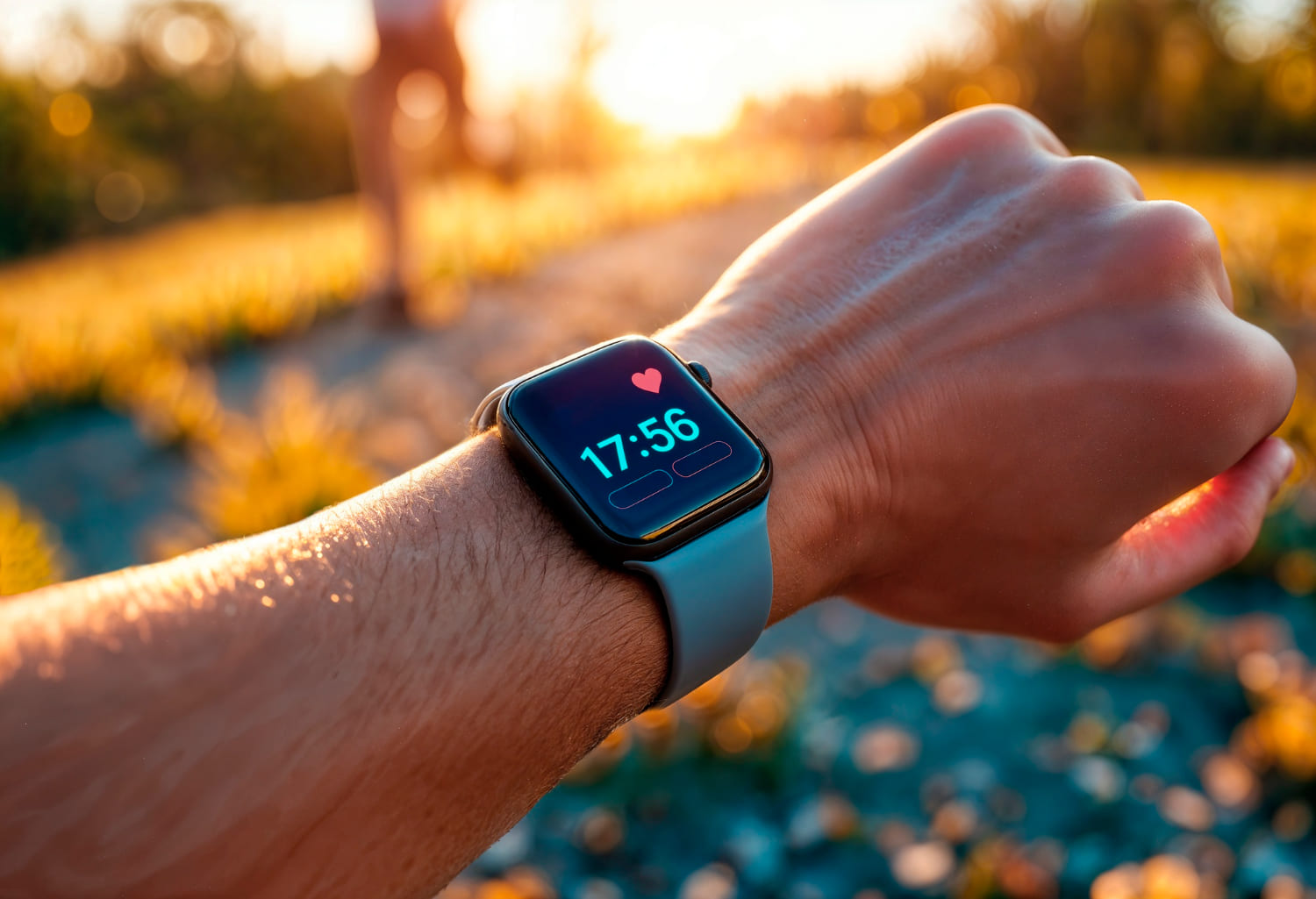
For 10 months, a group of 88 volunteers aged 45 to 77 used smartphones and smartwatches to collect passive data. The devices recorded 21 indicators, including heart rate, physical activity, sleep quality, and external factors such as weather and air pollution. The participants did not need to change their habits, but they underwent “active” testing every three months, filling out questionnaires about their emotional state and performing cognitive tests.
A special artificial intelligence model was developed to analyze the collected information. The researchers aimed to determine whether AI could predict test results based solely on passive data from watches and smartphones. The results were impressive, with an average prediction error of only 12.5%. The AI was most accurate in predicting emotional states, with an error range of 5% to 10%, while its accuracy in predicting cognitive functions was slightly higher, ranging from 10% to 20%.
The researchers also identified the most significant influencing factors. For cognitive abilities, the most important factors were air quality, weather, daytime heart rate, and sleep variability. The emotional state was most affected by weather conditions and heart rate during sleep. The UNIGE team is currently conducting a new 24-month study to understand how individual characteristics affect the accuracy of AI models in real-world settings.
Published
March, 2026
Category
New technologies
Duration of reading
2-3 minutes
Share


Source
Scientific Journal npj Digital Medicine. Article: Digital biomarkers for brain health: passive and continuous assessment from wearable sensors
Don’t miss the most important science and health updates!
Subscribe to our newsletter and get the most important news straight to your inbox