Increase in number of genomes in cells can provoke aging and cancer
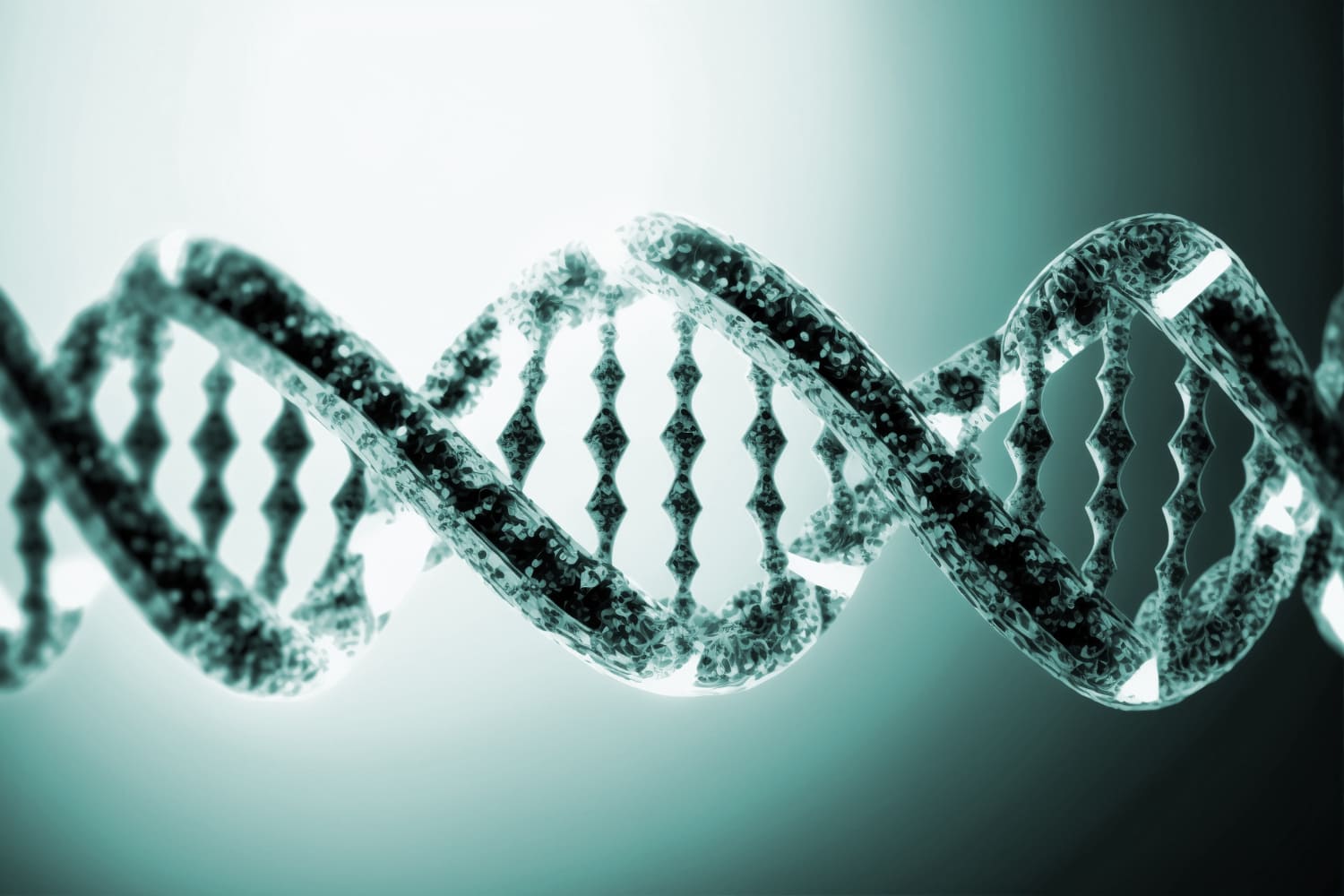
The appearance of extra copies of DNA in cells triggers a program to stop their development, which simultaneously protects organs from wear and creates the risk of tumors. The biological mechanisms of aging are closely related to the processes of polyploidy, a condition in which cells contain additional sets of chromosomes. Normally, most human cells have two sets of genomes, but in certain tissues, such as the bladder, their number may increase. A recent scientific review indicates that this phenomenon is inextricably linked to cellular aging, in which the cell stops dividing but remains metabolically active.
Using the example of bladder cells, it was shown that polyploidy is a natural part of the development of the body. Increasing the number of DNA copies helps tissues maintain the integrity of the barrier between blood and urine, providing resistance to external stresses. In this context, aging caused by extra chromosomes does not act as a defect, but as a protective program that maintains a stable organ structure throughout life.
The problem arises when the protective mechanisms that keep such cells from dividing fail. To maintain a stable state, cells need healthy tumor suppressor genes. If these regulators stop working due to mutations or age-related changes, polyploid cells can start dividing again. This leads to chromosomal instability and a sharp increase in the likelihood of developing malignant neoplasms.
There is a hypothesis that a significant part of cases of bladder cancer originates in such cells that were able to overcome the barrier of aging. Age remains the main risk factor, as over time, the likelihood of damage to the body’s defense systems accumulates. Thus, a mechanism originally designed to protect tissues may become a source of pathology in the long term.
This process is also important for cancer therapy, as many treatments intentionally cause aging and polyploidization of cancer cells. Although this temporarily stops the growth of the tumor, some cells are able to adapt, reduce the number of chromosomes and resume division. This causes relapses and the formation of drug resistance.
The integration of the estimation of the number of genomes into modern methods of monitoring the state of tissues will make it possible to better understand the biology of aging and predict the risks of tumors. Studying the interaction of polyploidy and aging is recognized as a necessary step to develop more effective strategies for the treatment and prevention of age-related diseases.
Published
February, 2026
Category
Science
Duration of reading
2-3 minutes
Share


Source
Scientific Journal Aging. Article: Linking development, differentiation, repair, and (possibly) cancer?
Don’t miss the most important science and health updates!
Subscribe to our newsletter and get the most important news straight to your inbox