Virtual reality has learned to recognize mental disorders
Making an accurate diagnosis in psychiatry is not an easy task. More than half of patients change their diagnosis within 10 years because many disorders have similar symptoms. For example, apathy, cognitive impairment, and even hallucinations can occur in both schizophrenia and bipolar disorder. Misdiagnosis leads to inappropriate treatment and worsening of the condition, but now there is a tool that can help address this problem.
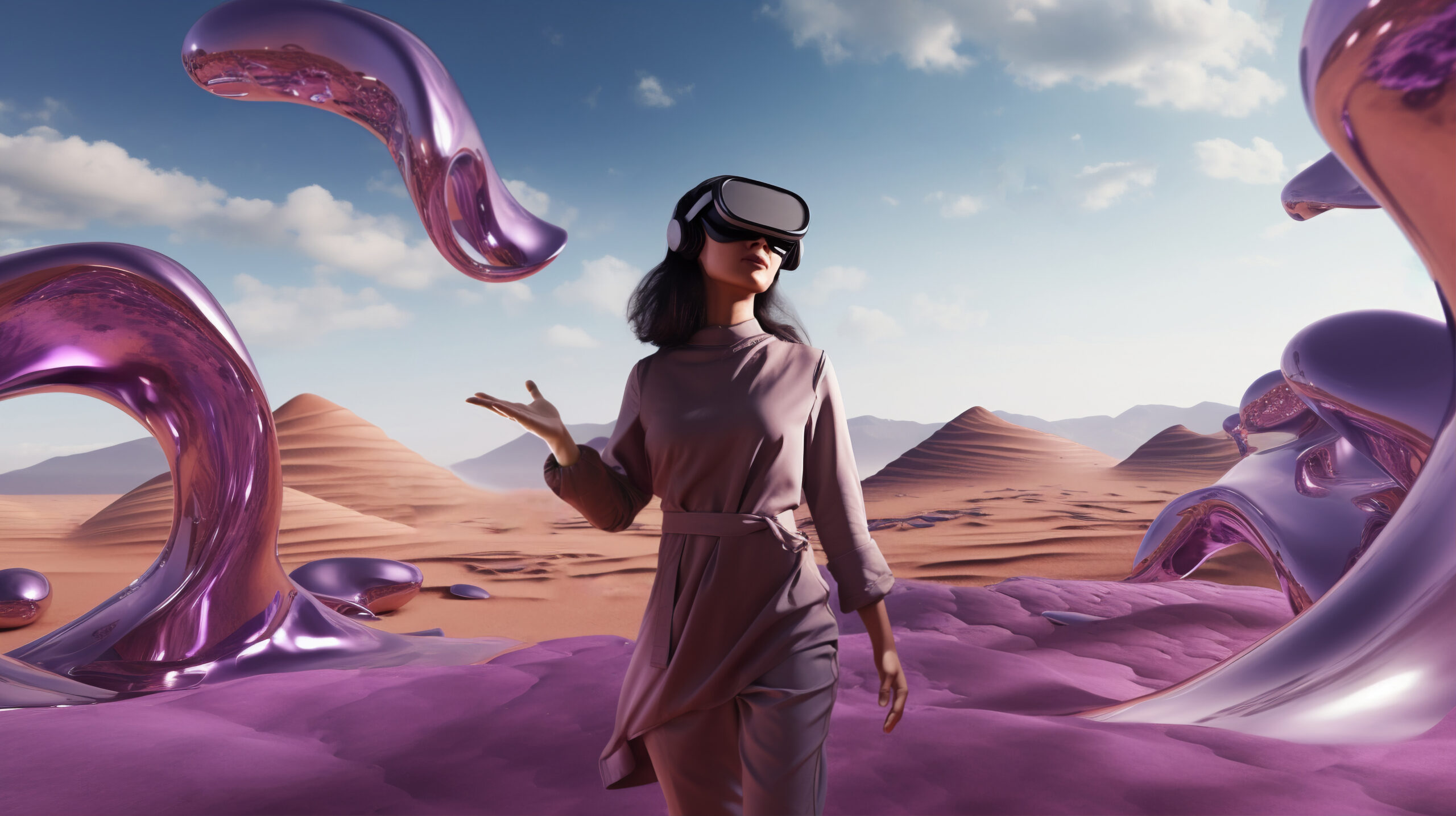
A team of Danish researchers has developed a system that uses VR scenarios and physiological measurements to detect differences between mental disorders. Instead of relying solely on patients’ accounts of symptoms, the new technique analyzes the body’s reactions under stressful situations.
They recruited 100 volunteers for the experiment, including people with bipolar disorder, borderline personality disorder, schizophrenia, and healthy participants. They were immersed in virtual scenes that evoked emotions: an infant crying, a conflict in the dining room, a ride in a cramped elevator. At this time, their physiological responses, such as skin-galvanic response, an indicator of stress levels, were recorded.
It turned out that the body’s response differed markedly between groups of people. This discovery offers hope for more accurate diagnostics in the future. However, the authors of the project will have to conduct large-scale studies to confirm the effectiveness of the method and adapt it for clinics.
Now the scientists have launched a new stage of the study, which will involve 300 people. In addition, it is planned to use machine learning to analyze the collected data. In the future, this approach can not only speed up diagnosis, but also help doctors to select personalized treatment in the early stages of diseases.
The work has already aroused interest in the scientific community. In particular, Dr. Xijia Liu from China Medical University in Shenyang noted that this technique opens up new possibilities for diagnosing mental disorders. He also suggested using artificial intelligence to process the large array of data that is created when testing patients.
Virtual reality has long been used in medicine, but now it could become an important tool in psychiatry. If the technology proves its effectiveness, the diagnosis of mental disorders will reach a new level.
Published
April, 2025
Duration of reading
2-3 minutes
Category
New technologies
Share


Don’t miss the most important science and health updates!
Subscribe to our newsletter and get the most important news straight to your inbox