Impact of the amygdala on the interpretation of social cues
The ability of humans to correctly interpret the facial expressions of others is the basis of social interaction. However, many social signals remain ambiguous: for example, a neutral facial expression can be perceived as both calm and covertly hostile. Researchers from the University of Oxford have presented evidence for the first time that the amygdala, a small structure located deep in the temporal lobes of the brain, is responsible for selecting this interpretation.
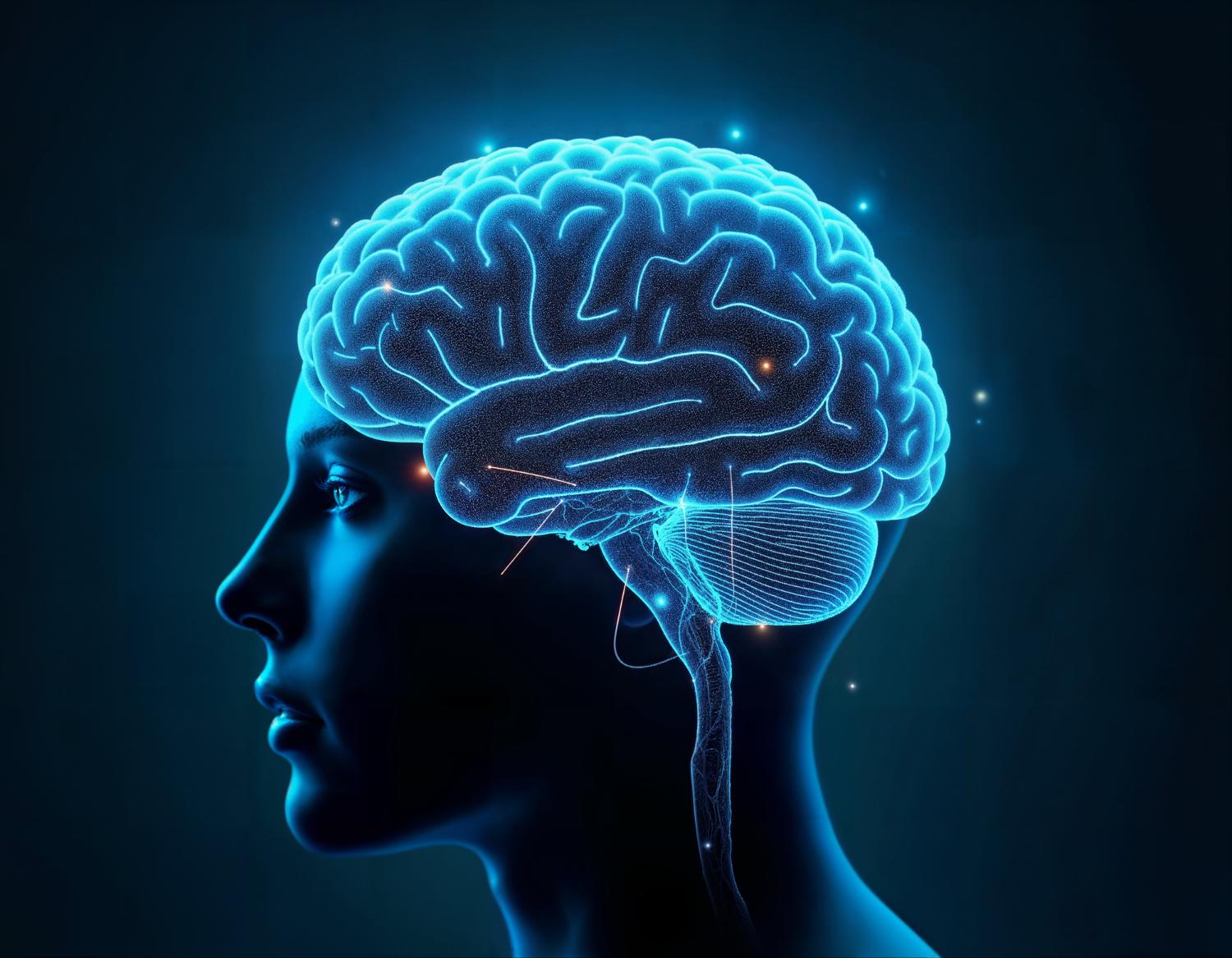
The amygdala is traditionally considered a key processing center for emotions, especially fear and anxiety. Previously, scientists could only monitor its activity by scanning, but they could not safely influence it without surgical intervention. A new study published in the journal Neuron uses transcranial ultrasound stimulation (TUS) technology, which allows non-contact exposure to deep areas of the brain.
Transcranial ultrasound stimulation is a method of using low-intensity focused ultrasound. Unlike magnetic stimulation, which primarily affects the cortex, ultrasound waves can penetrate deeper to reach the amygdala. This allows for temporary changes in neuronal activity at a specific location without damaging surrounding tissues, opening up new possibilities for studying the causes of depression and anxiety disorders.
In the experiment, healthy volunteers were exposed to ultrasound directed at the amygdala, followed by a task where they were asked to evaluate a series of faces with different expressions. The results showed that after stimulation, the participants were more likely to interpret neutral (emotionally ambiguous) faces as positive. This suggests that changes in amygdala activity directly affect the “filter” through which individuals perceive their social environment.
An interesting observation was the increase in reaction time, as the participants took longer to evaluate neutral and happy faces. This indicates that interfering with the amygdala can make it more challenging to distinguish between similar emotional cues. The brain begins to spend more resources on classifying facial expressions when the usual mechanism for assessing emotions is temporarily modified.
In parallel with the behavioral tests, the scientists conducted high-precision brain scans that recorded changes at the chemical level. The stimulation affected the balance of metabolites, particularly the level of gamma-aminobutyric acid (GABA). GABA is the primary inhibitory neurotransmitter in the brain, suppressing excessive neuronal activity and helping the system maintain stability. The change in the concentration of this substance confirmed the biological effectiveness of the ultrasound.
In addition to chemical changes, a violation of functional connectivity was recorded. This term describes how different parts of the brain “communicate” with each other to solve common problems. The ultrasound temporarily weakened the connection between the amygdala and other regions responsible for decision-making. This allowed the researchers to confirm that the amygdala not only reacts to emotions, but also actively participates in forming logical conclusions about the intentions of others.
The authors of the study emphasize that the findings are of critical importance for psychiatry. In conditions such as depression, patients often tend to interpret neutral situations as negative. If it can be proven in the future that ultrasound stimulation can restore normal metabolism in the amygdala, it could become the basis for developing new non-invasive treatments for medication-resistant emotional disorders.
Published
April, 2026
Category
Science
Duration of reading
3-4 minutes
Share


Source
Scientific Journal Neuron . Article: Low-intensity focused ultrasound to human amygdala reveals a causal role in ambiguous emotion processing and alters local and network activity
Don’t miss the most important science and health updates!
Subscribe to our newsletter and get the most important news straight to your inbox